Mix and Match Patterns Like a Pro
A leopard-print blouse with a plain skirt is a safe bet. A leopard-print blouse with a checked skirt is where real style happens, and getting there needs less guesswork than most outfit guides suggest. The trick is structure: decide which print leads, keep the two scales visibly different, and anchor everything with a colour that already appears in both.
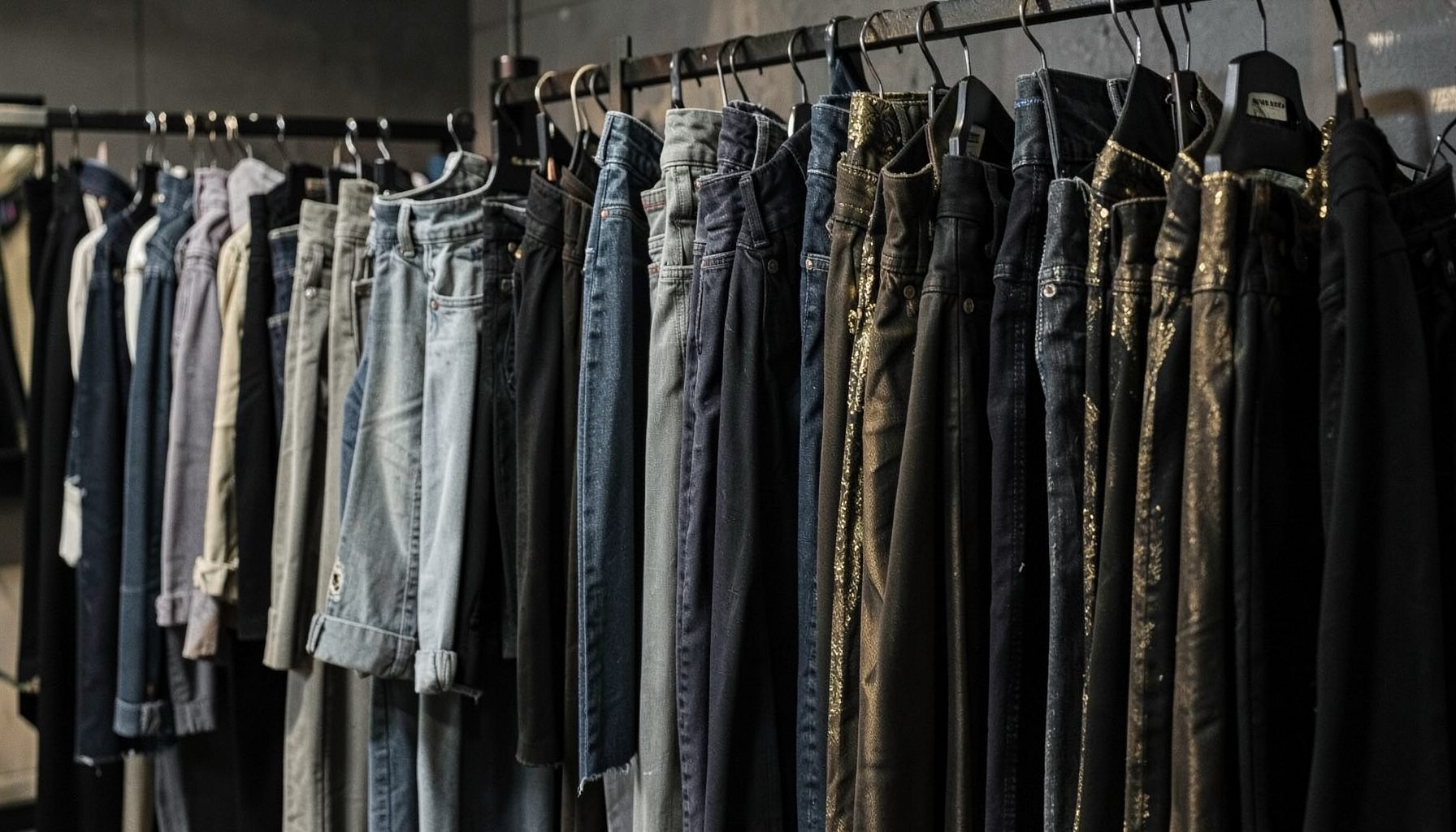
That structure matters more when you are shopping on a budget and working to a deadline. Sudeshna Das stocks dresses, jumpsuits, denim, loungewear, activewear, boots, bags and jewellery in one place, with sale prices, free shipping on orders over £60, secure SSL checkout and a 20–30 day return window. Australians can order ahead, try pieces at home and send back what does not work. From a Sydney stand-up meeting to a Melbourne arvo wedding, here is how to combine prints so outfits come together without a stylist on call.
Why pattern mixing feels harder than it looks
Most pattern mishaps are attention mishaps, not colour mishaps. When three prints compete for the same spotlight, the eye never settles, and the outfit reads as busy rather than deliberate. The fix is to let one print carry the look and keep the second one quieter, then give the whole thing a neutral base so the eye has somewhere to rest.
Starting with a piece you already love makes this far easier. If a new dress arrives with a bold geometric print, build the outfit around it rather than making the print the final detail. This is also where online shopping works in your favour: you can browse an entire collection, see which pieces share a colour, and check which separates already sit in your wardrobe before you commit.
The pattern families worth learning
Prints fall into a handful of families, and once you know them, mixing becomes a matter of arithmetic. Floral and botanical prints bring softness and movement. Geometrics add structure, from wide stripes to graphic grids. Animal prints, dots and novelty prints bring personality, while checks, chevrons and abstract graphics cover everything in between.
Two families at a time is the sweet spot for everyday wear. A floral dress with a striped belt, or a checked skirt with a spotted top, reads as considered rather than chaotic. Three families can work for a deliberate occasion look, provided one of them stays small in scale or low in contrast.
Checks are the quiet workhorse of the Australian wardrobe because they bridge almost every other family. Pair them with florals, a graphic tee or denim, and they ground the outfit without needing to match anything.
Scale and proportion decide the outfit
Scale contrast is the single most useful rule in pattern mixing. Big print with small print, or big print with no print, is what makes a combination look intentional. Matching a large-scale floral dress with a fine gingham shirt creates a look that simply smudges.
Proportion works the same way. Volume against structure, or fitted against fluid, keeps the silhouette balanced even when the prints are loud. Wide-leg denim with a fitted floral top, or a loose checked shirt over a narrow print skirt, both read cleanly. Remember that denim counts as a neutral here, which is handy in Australia where a denim jacket or jeans are wardrobe fixtures in every season.
Colour anchors stop clashes
A single neutral anchor is what ties prints together: black, cream, camel, olive, navy or denim blue. Camel and olive suit an Australian palette particularly well, working with outback tones, beach neutrals and sun-bleached summer shades.
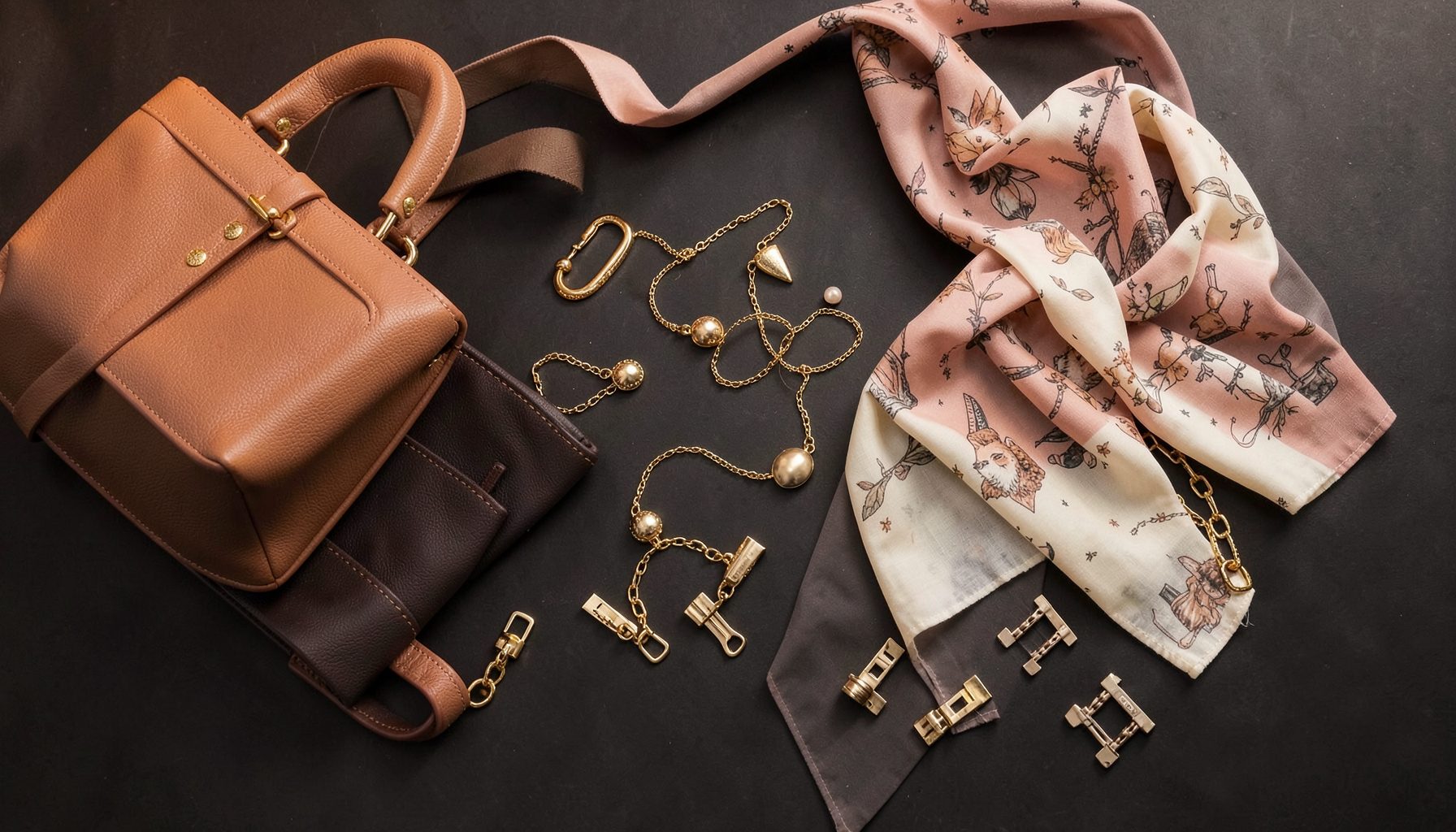
Then repeat a colour from the prints in one small accessory. If the dress has a rust background, a tan bag and gold-toned earrings will pull the eye back to the print. Sudeshna Das carries bags, boots and jewellery that make this easy, and repeating one colour is often all it takes to rescue a combination that felt off in the mirror.
Warm and cool prints rarely sit comfortably together, so check the undertones before you buy. A print that leans pink next to one leaning yellow can look like two separate outfits even when the shapes are identical.
Prints for the Australian calendar
Australian weather gives pattern mixing a rhythm. Light linens, bright florals and loose jumpsuits carry the summer months from December through February, when UV levels make long sleeves a practical choice in the middle of the day. Autumn and winter reward checks, chevrons and deeper florals layered over a plain base.
Daytime events are where prints shine, and a bridal shower is a good example. Garden parties, morning teas and champagne celebrations call for softer florals with a sprigged or larger-scale pattern, and our bridal shower style guide covers the details. Evening events can carry bolder graphics, finished with boots and statement jewellery.
Shopping moments also shape the calendar. Australians hunt the end-of-financial-year sales in June and July, Black Friday in November and summer stocktake clearances, which is when a print wardrobe can be built cheaply if you plan the combinations before you buy.
Prints that survive travel and washing
A print piece only earns its place if it still looks good after a day in the car and a week in the machine. Viscose, rayon and cotton blends travel well and breathe through a Queensland afternoon, while creases and clingy synthetics do not. Prints in lighter colours show wear faster, so turn them inside out and wash them cold.
Road trips make this practical. A run from Adelaide to the Flinders Ranges or up the coast to the Gold Coast means living out of a suitcase for days, and if you are managing laundry for little ones without access to a machine, this cloth diaper travel storage guide explains how to keep fabrics fresh between washes. Rolling prints rather than folding them prevents sharp creases along the print lines.
Shopping a print-friendly wardrobe in Australia
Sudeshna Das makes experimenting affordable, with sale prices across dresses, jumpsuits, denim, loungewear and activewear, plus free shipping on orders over £60 and a 20–30 day return guarantee. Secure SSL checkout means paying by card online feels safe, and the return window gives you time to test a combination properly rather than guessing from a photograph.
- Pick one statement print per season and build three outfits around it.
- Choose one neutral anchor colour and keep it consistent across every print piece.
- Mix a large-scale print with a small-scale one, or with no print at all.
- Limit each outfit to two print families before adding a third.
- Repeat one colour from the print in your bag, shoes or earrings.
- Buy prints in fabric that handles Australian heat and travel.
- Check the end-of-financial-year sale before buying the pieces you already own.
| Pattern family | What it brings | Pairs best with | Mix level |
|---|---|---|---|
| Floral and botanical | Softness, movement, femininity | Stripes, checks, plain denim | Easy |
| Geometric | Clean structure and sharp contrast | Animal print, florals | Medium |
| Animal print | A bold focal point | Solid neutrals, denim, leather | Easy |
| Checks and stripes | Classic, endlessly versatile | Florals, animal print, denim | Easy |
| Graphic and abstract | Modern, high-energy statement | Checks, florals, plain knits | Medium |
| Dots and novelty | Playful detail in small doses | Solid colour, florals, denim | Medium |
Browse the sale at Sudeshna Das, choose your statement print, and build the rest of the outfit from pieces you already own. New arrivals arrive regularly, shipping is free over £60, and every order is covered by a 20–30 day return guarantee, so experimenting costs far less than committing to a single print head to toe.