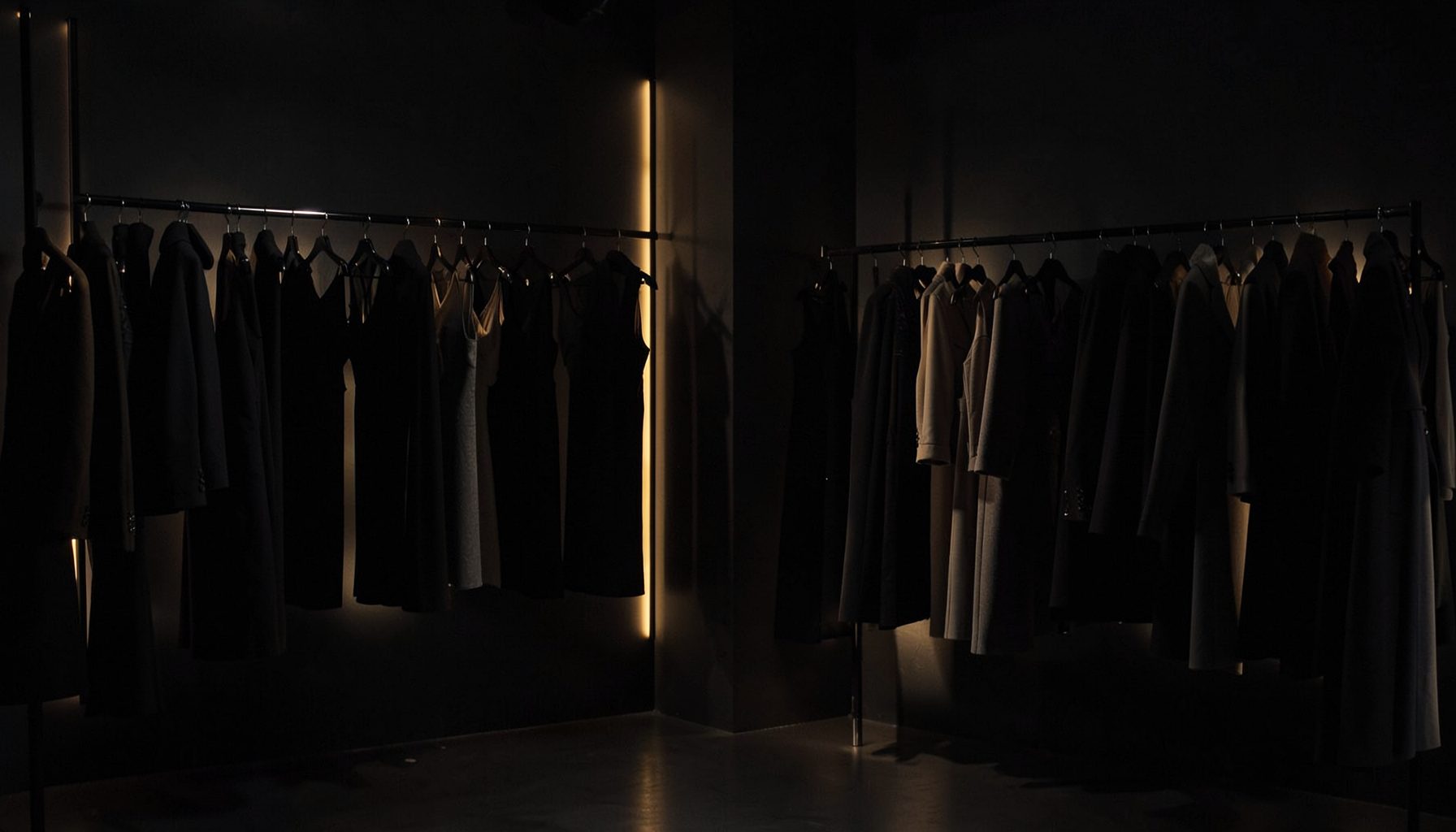
How to dress for a city break in a cold climate
A city break is easier when every outfit can handle a cold platform, a windy crossing and a warm café. How to dress for a city break in a cold climate comes down to flexible layers: a breathable base, a warm middle and an outer shell that blocks wind and rain.
Australian travellers may be heading from Sydney or Melbourne to London, Copenhagen or Toronto, or choosing a cooler domestic escape such as Hobart. Each city sets its own rhythm: Melbourne’s CBD can feel sharp and windy, Sydney’s harbour can be deceptively chilly in the morning, and Hobart often brings drizzle and a sharp temperature drop after lunch.
None of that requires bulky expedition gear. The best approach is to dress once for the route and adjust as you go, keeping your hands, neck and feet warm without sacrificing a clean silhouette. Start with pieces you genuinely enjoy wearing, then add technical extras only where the forecast or your itinerary demands them.
Check the forecast and plan in layers
Check the forecast for the exact city and time of day, not just the country. Sydney’s milder winter can still feel cold on a harbour ferry, while Melbourne’s CBD wind turns a light jacket into a poor barrier. For Hobart, drizzle and a colder evening mean the coat should be waterproof as well as warm. A scarf and gloves are more useful for a long sightseeing day than wearing an oversized coat every hour.
Build the outfit around three layers. A merino or synthetic thermal top sits against the skin without trapping damp; a fine-gauge sweater or fleece adds insulation; a coat, parka or waterproof jacket handles the elements. Cotton is comfortable for a mild city day, but it becomes cold when damp, so reserve it for dry, warmer outings.
Make outfits that work from coffee to dinner
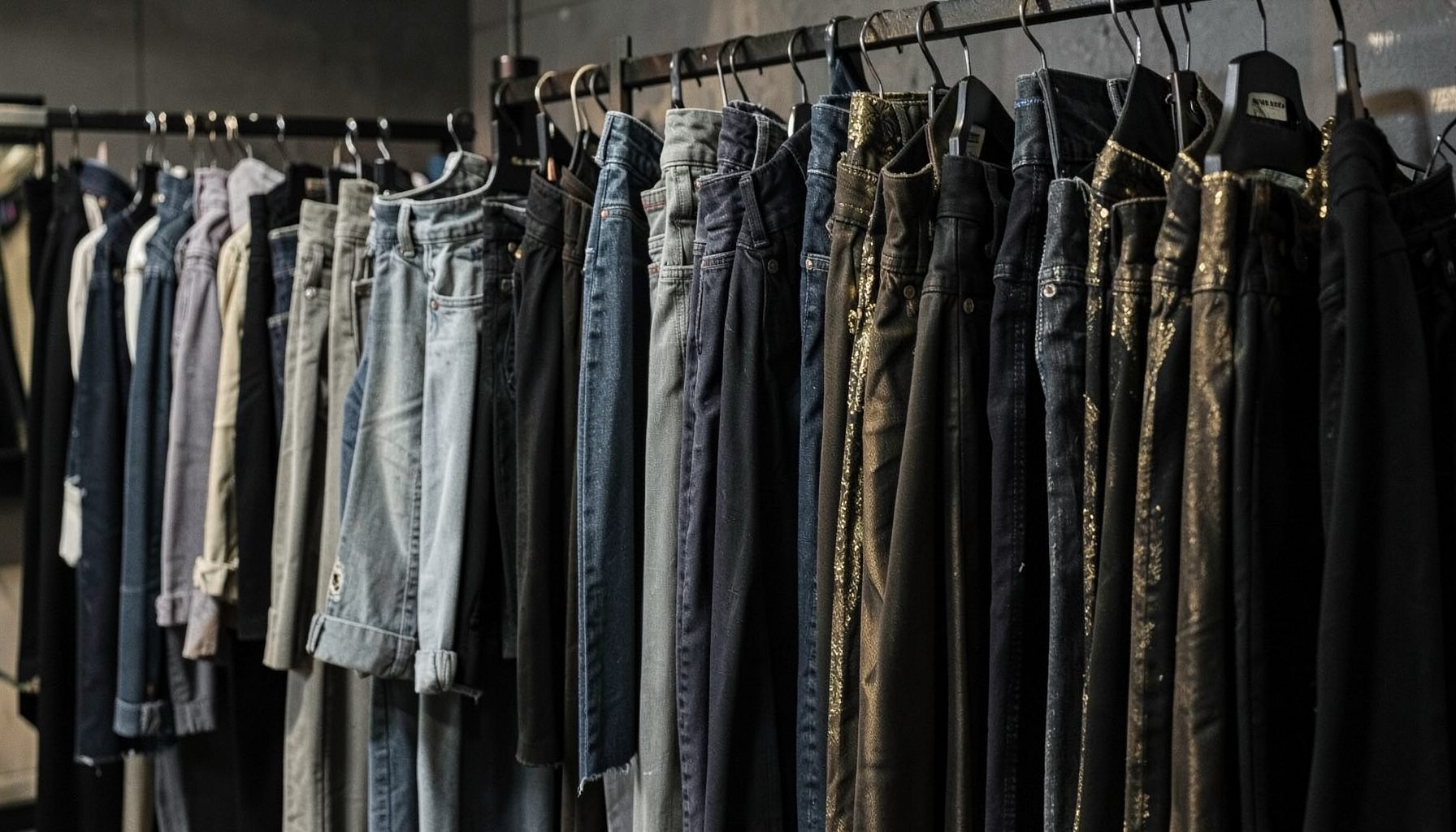
Day plans often move from a train or tram stop to a gallery, lunch, shopping and dinner. A midi dress over opaque tights works from a gallery to dinner, while straight-leg jeans with a tucked knit and ankle boots feel polished without restricting movement. For a jumpsuit, layer a fitted long-sleeve top underneath and add a belt to define the waist.
Choose one statement piece and let the rest stay simple. If you like retro pieces, this guide to choosing between retro brands can help you compare fit and proportions. Still check each garment’s measurements, because a flattering cut on one body may sit differently on another.
Choose warm fabrics and comfortable shapes
Warmth comes from combining fabrics that retain heat without making you perspire. Merino and lambswool regulate temperature well, fleece is useful for lightweight insulation, and corduroy or brushed cotton can add texture to a winter outfit. Pay attention to the lining as well: smooth materials sit more comfortably against a thermal layer than rough seams.
Fit is equally important. A coat should fasten comfortably over your knit, trousers should allow a full stride and skirts should reach a midi length that keeps cold air away from your legs. Check garment measurements rather than assuming your usual Australian size will translate across brands. For dresses and skirts, opaque tights provide warmth without the visible line a sheer pair can leave beneath a midi hem.
Compare layers for warmth without bulk
Match each layer to its job so you can stay comfortable without overbundling. The right combination depends on whether you will spend more time sightseeing, dining indoors or travelling between neighbourhoods.
| Piece | Strength | Best for | Consider |
|---|---|---|---|
| Merino or thermal base layer | Light warmth and moisture control | Under shirts, dresses and jumpsuits | Avoid bulky seams beneath close-fitting clothes |
| Fine-gauge knit or fleece | Comfortable insulation | Café stops, galleries and shopping | A chunky cardigan can limit layering |
| Wool-blend coat | Warm with a polished appearance | City streets and restaurants | Add a water-resistant finish if rain is likely |
| Insulated parka | Excellent wind and cold protection | Long walks, windy CBDs and evenings | Choose a shorter shape to prevent excessive bulk |
| Midi dress with opaque tights | Versatile and feminine | Sightseeing through to dinner | Add a knit or coat when temperatures fall |
A close-fitting thermal, a smooth knit and a coat that fastens comfortably over both form a useful base outfit. If sustained rain is likely, swap the wool-blend coat for a water-resistant parka and keep the knit slim. Your outer layer should handle the weather while the layers underneath manage your changing temperature.
Pack your city-break kit for Australian practicality
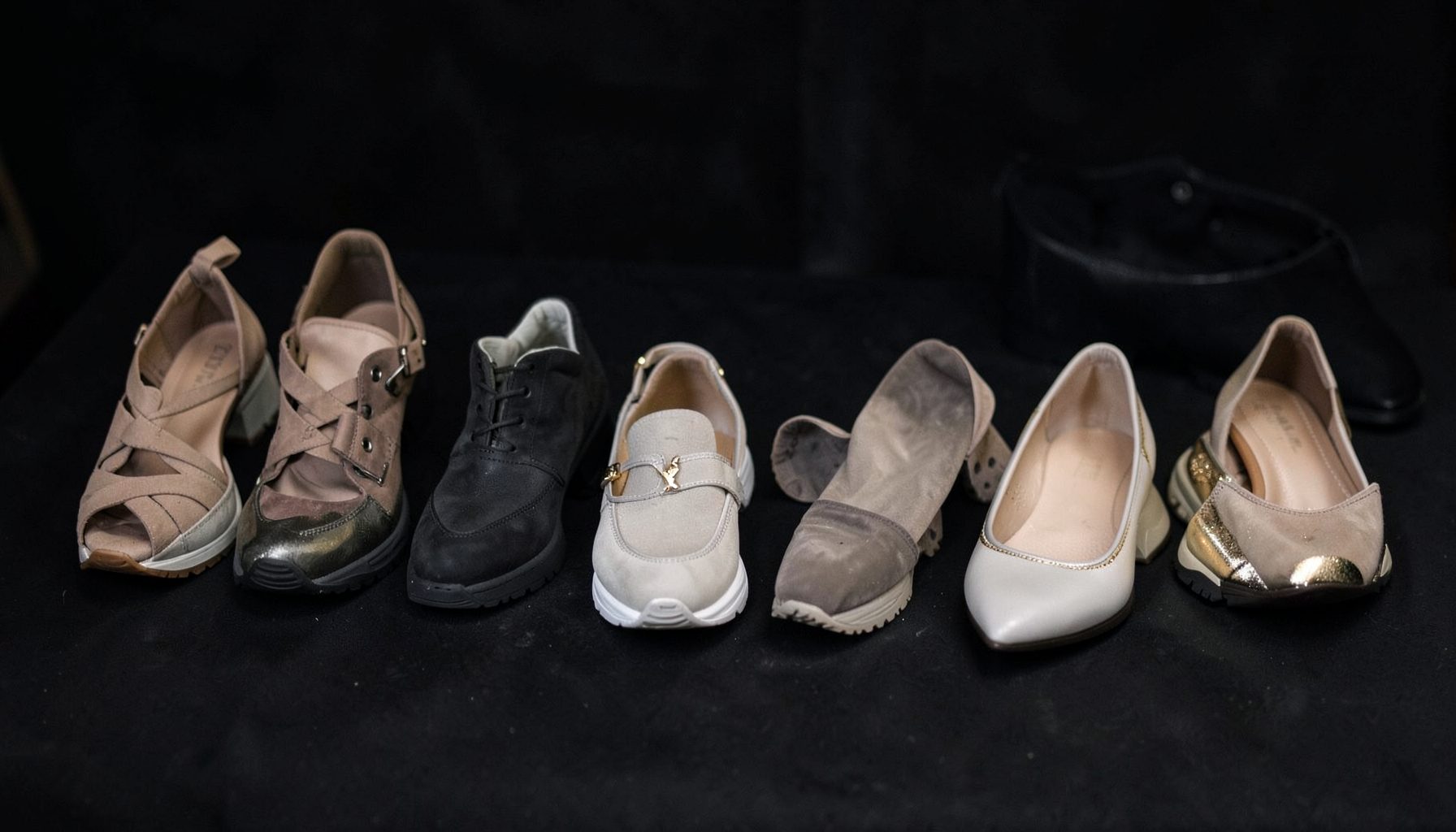
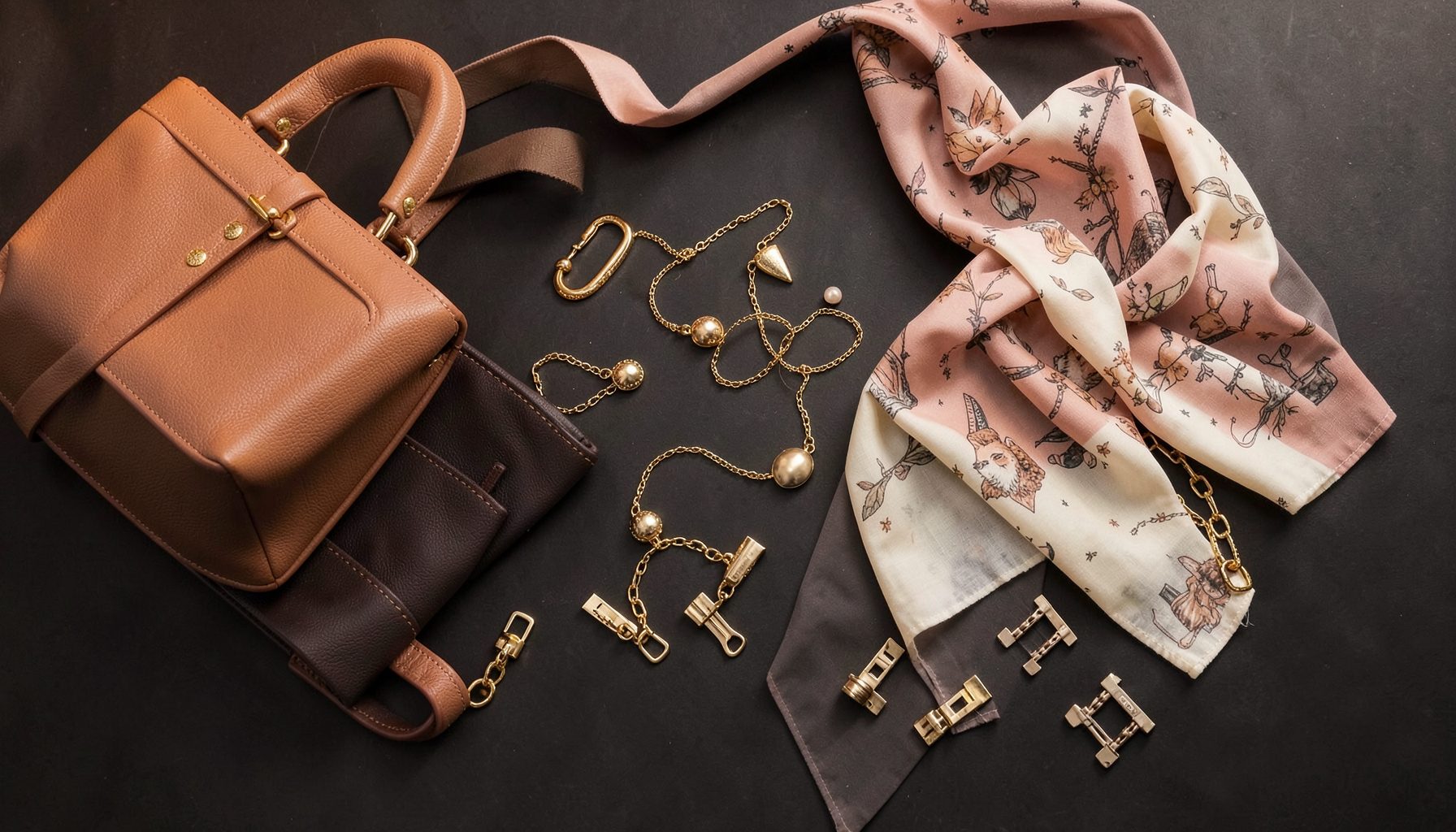
A compact day bag gives you room for gloves, a beanie and a folded scarf without making every outfit feel overloaded. Carry a reusable water bottle and leave space for purchases, especially if your route includes a shopping district or one of Melbourne’s famous markets. Comfortable walking shoes deserve as much attention as your coat.
- Choose a coat or parka that fastens over your knit without pulling.
- Pack one thermal top and two easy tops for each full day.
- Wear opaque tights under skirts and midi dresses; choose leggings for extra cold.
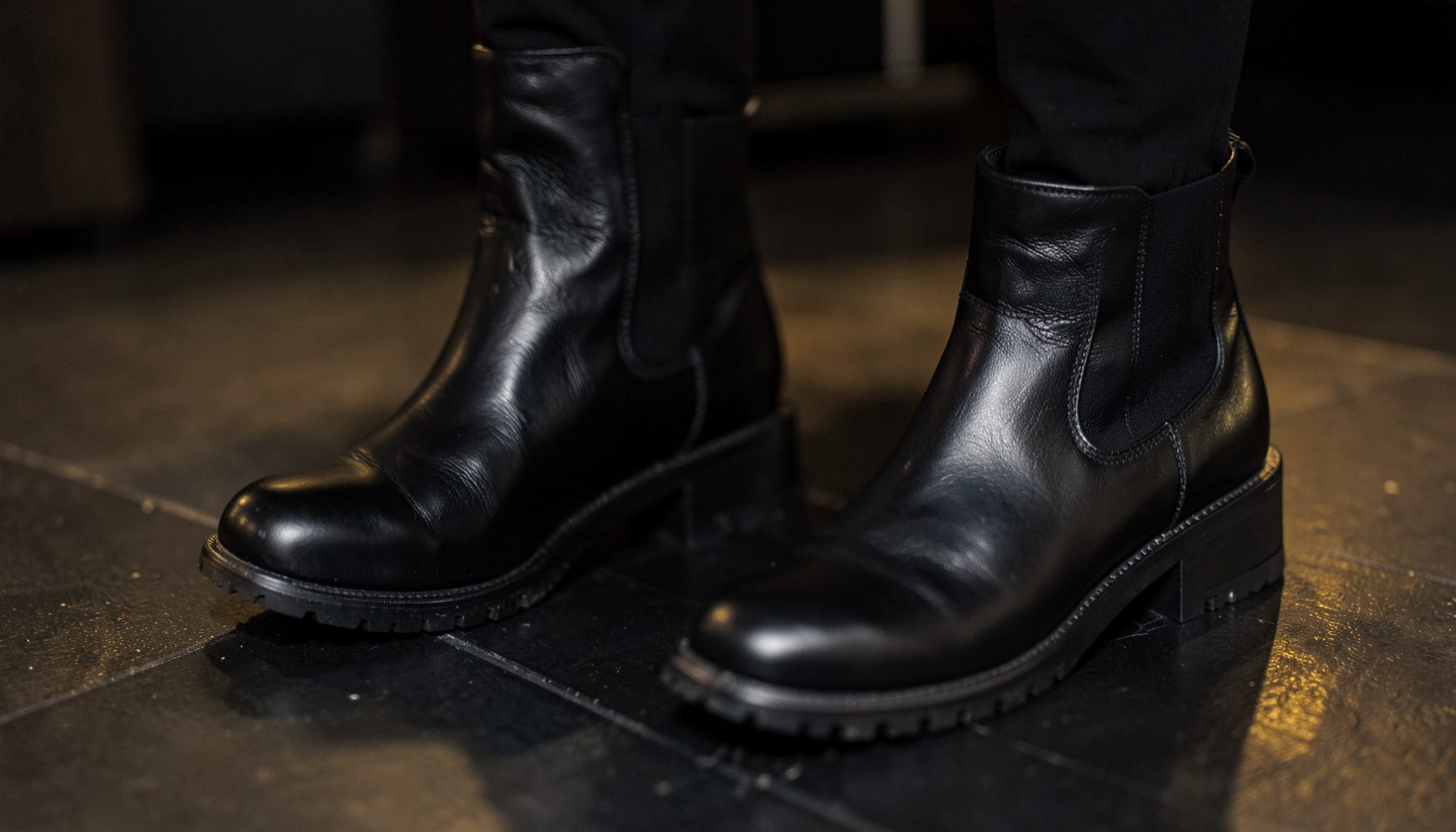
- Break in waterproof ankle boots with cushioned insoles for long walks and slick pavements.
- Keep a scarf, hat and compact umbrella within reach in your day bag.
Australian wardrobes already favour versatile denim, activewear and comfortable separates, so you may own much of the foundation before you leave. Sudeshna Das fills the gaps with affordable dresses, jumpsuits, denim, loungewear and activewear, alongside boots, bags and jewellery. Check the sale prices, then use the measurements to make sure your usual fit is available. Orders over £60 qualify for free shipping, checkout uses secure SSL transactions, and the 20–30 day return guarantee gives you time to try a new fit at home.
Choose your layers, explore the sale edit and create an outfit that works from your morning coffee run to dinner. Visit Sudeshna Das today and prepare your wardrobe for cold streets, warm interiors and everything between.