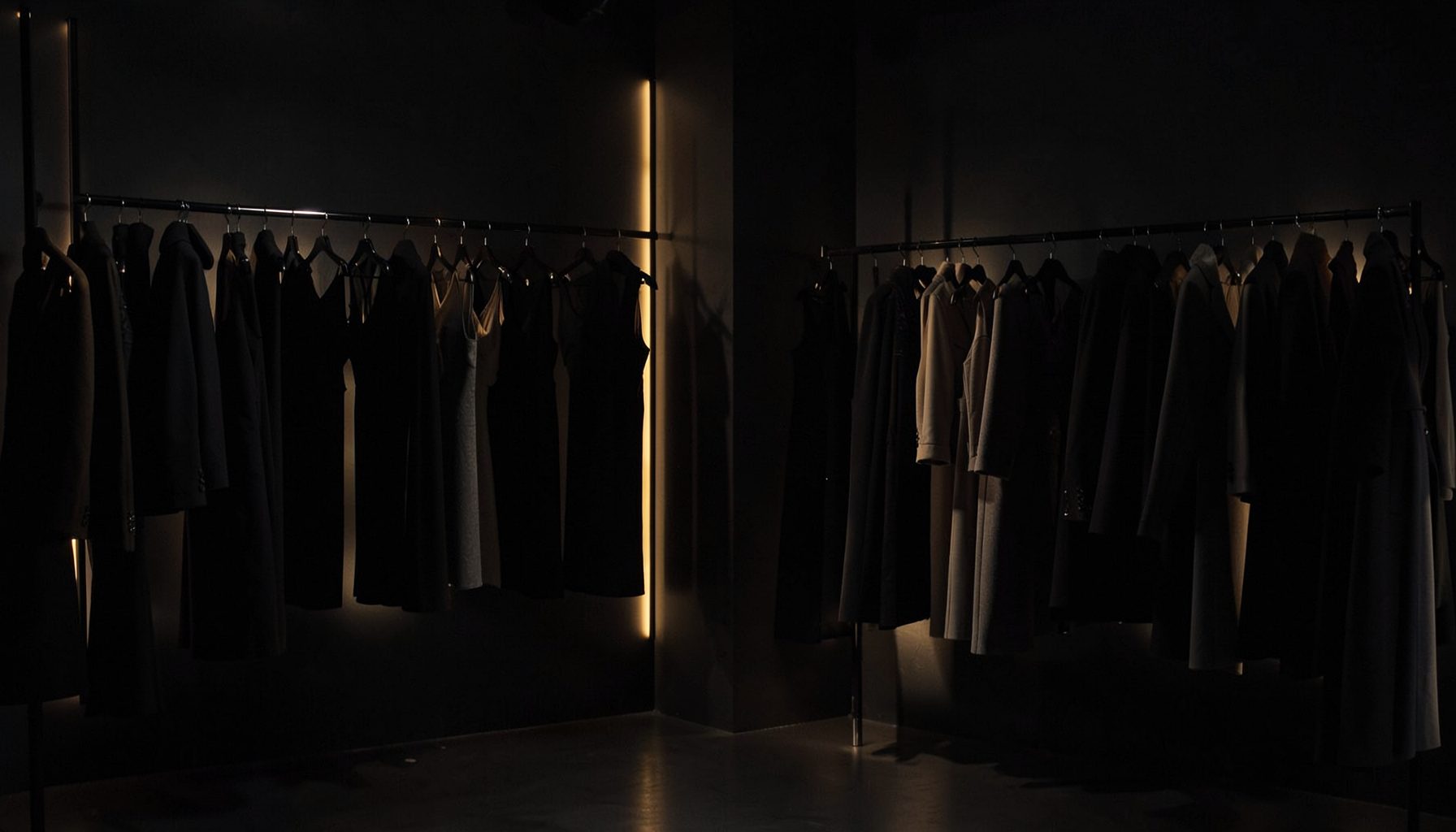
What to wear to a job interview in a creative field
A creative-industry interview gives you room to show personality, but your outfit still needs to communicate judgement, reliability, and respect for the opportunity. The ideal look sits between polished officewear and your everyday style, with enough individuality to feel appropriate for design, media, fashion, advertising, or production work.
There is no single dress code across Australia’s creative sector. A Sydney advertising agency may lean towards sharp smart casual, while a Melbourne design studio may welcome relaxed tailoring, interesting textures, or a distinctive accessory. The right choice depends on the workplace, the role, and how much client contact the position involves.
Your clothing should also support you through the practical parts of interview day: walking from a station, handling warm weather, and feeling comfortable during a long conversation. A well-planned outfit lets your portfolio, ideas, and communication skills stay at the centre of attention.
Read the workplace before choosing an outfit
Start by researching the company’s website, social media pages, team photographs, and recent work. These details can reveal whether the environment is corporate, artistic, experimental, or relaxed. If the office is in a polished Sydney tower, a clean blazer and tailored trousers may feel right; a small Melbourne studio may suit a softer, more expressive outfit.
Consider the position as well as the company. A graphic designer, stylist, or art director can usually include more colour and shape than someone interviewing for an account management or operations role. For client-facing positions, aim for a refined version of the company’s usual dress code rather than dressing like you are attending a gallery opening.
Build a creative interview look
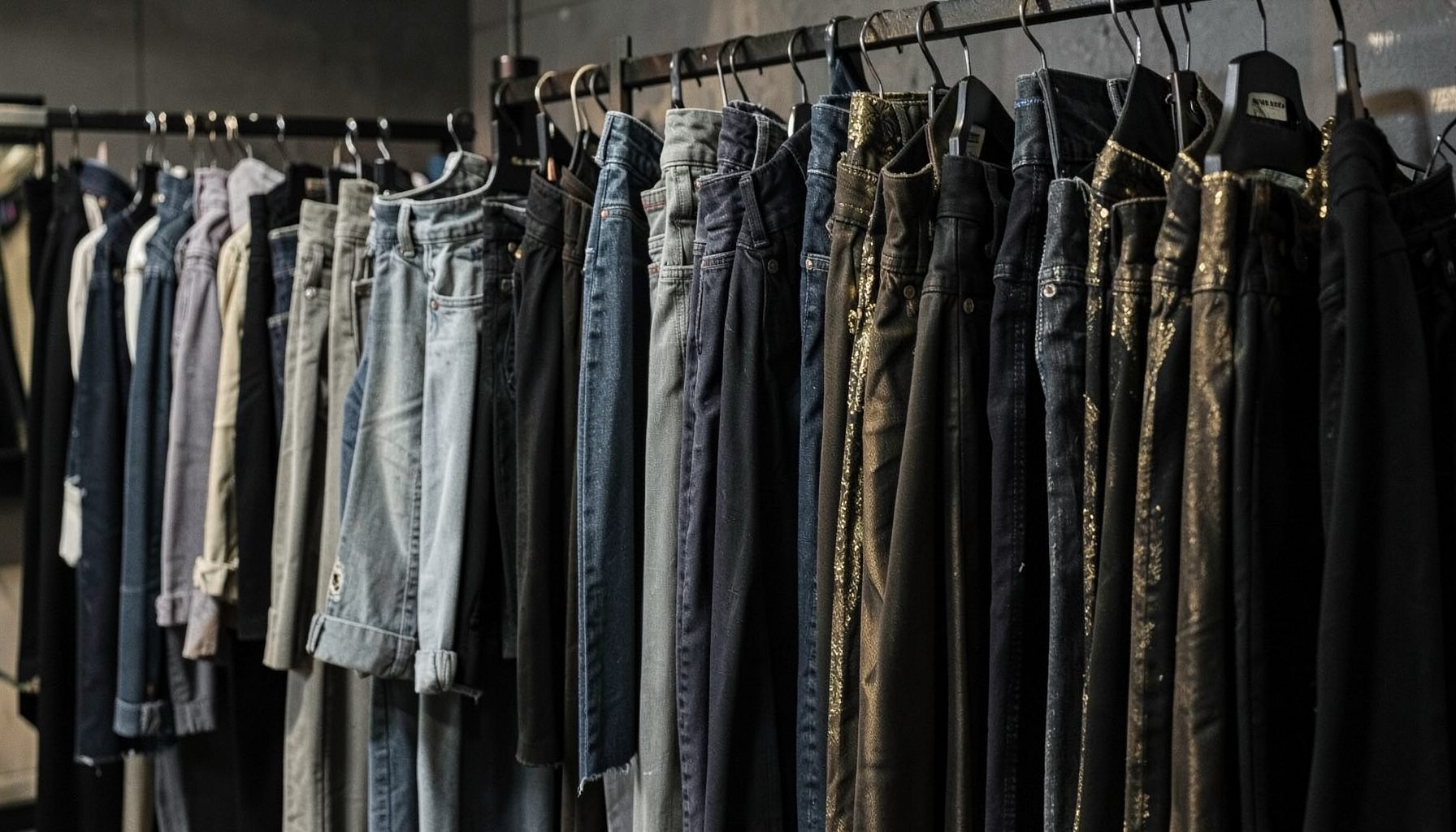
A strong base outfit might include tailored wide-leg trousers, a midi dress, a neat jumpsuit, or dark straight-leg denim with a structured shirt. These pieces create a professional silhouette without looking overly formal. Layer with a cropped jacket, relaxed blazer, cardigan, or lightweight trench depending on the season and location.
For a less traditional workplace, combine one expressive item with otherwise simple clothing. A printed blouse with plain trousers, a sculptural bag with a monochrome dress, or colourful shoes with a neutral outfit can show personal style without creating visual distraction. If you are shopping for a complete look, affordable outfit pieces can help you coordinate clothing, footwear, and accessories in one place.
Use colour, texture, and print with purpose
Colour is a useful way to reflect creativity, though the best shade depends on the role and setting. Cobalt, rust, olive, burgundy, and soft blue can add interest while remaining polished. Neutrals such as black, cream, navy, grey, and camel provide an excellent foundation for stronger accents.
Texture can make a simple outfit appear considered. Try denim with a smooth knit, a satin blouse with matte tailoring, or leather-look boots with soft jersey separates. Keep prints controlled and check them in natural light before leaving home. A bold pattern is more effective when the rest of the outfit has clean lines and minimal competing detail.
Dress for Australia’s climate and commute
Weather should influence your interview outfit as much as the dress code. Brisbane and Darwin can be humid, so breathable cotton, linen blends, and lightweight viscose may be more comfortable than heavy suiting. In Perth, Adelaide, or regional areas, a warm morning can shift into a hot afternoon, making a removable layer particularly practical.
Think about the journey from your front door to the office. You may walk from a train station in Sydney, cross Melbourne laneways, or spend time waiting for a tram in changing weather. Choose fabrics that resist creasing, carry an umbrella if rain is likely, and wear shoes that can manage several blocks. Save very high heels or brand-new footwear for another occasion.
Choose shoes and accessories strategically
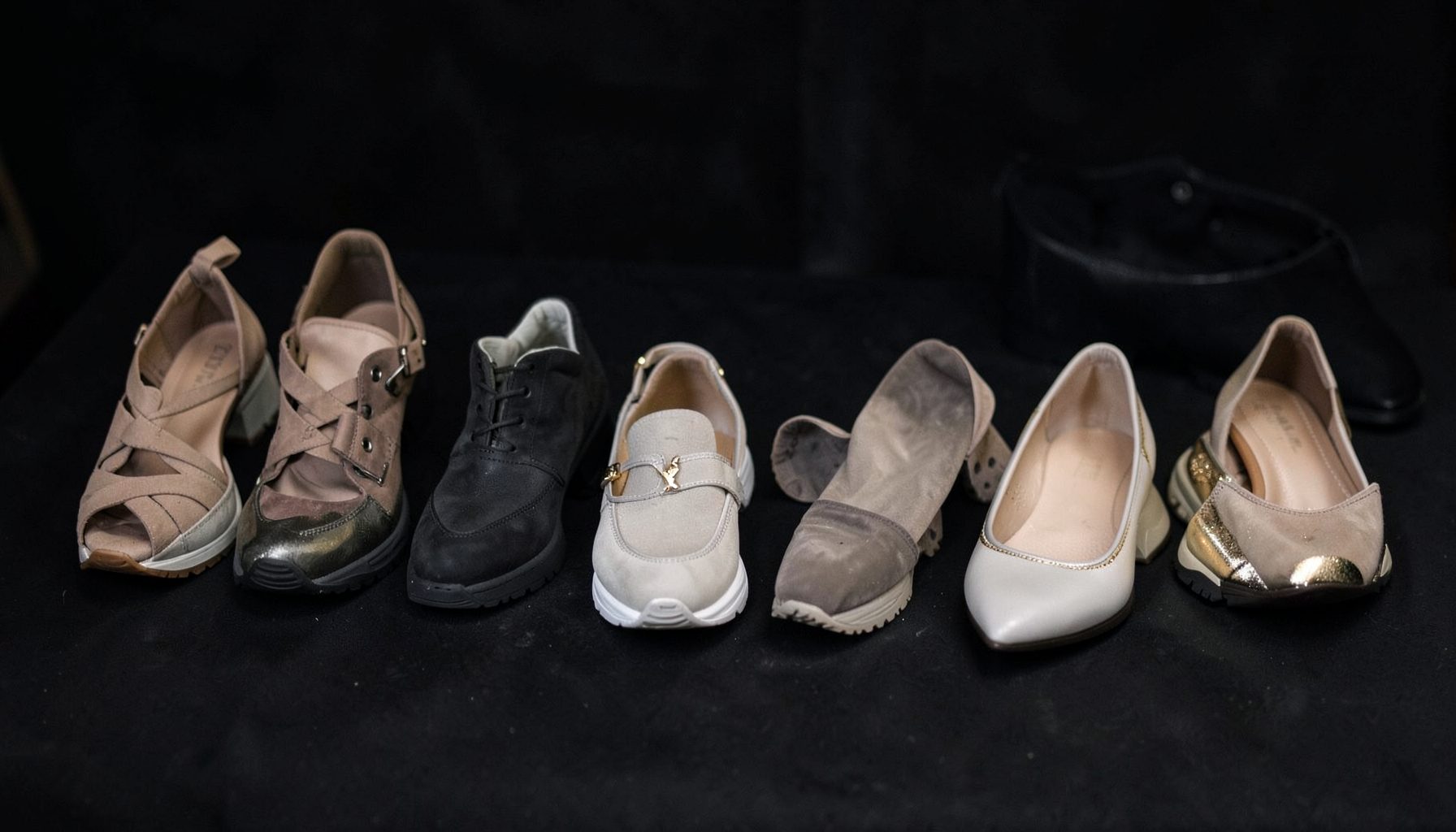
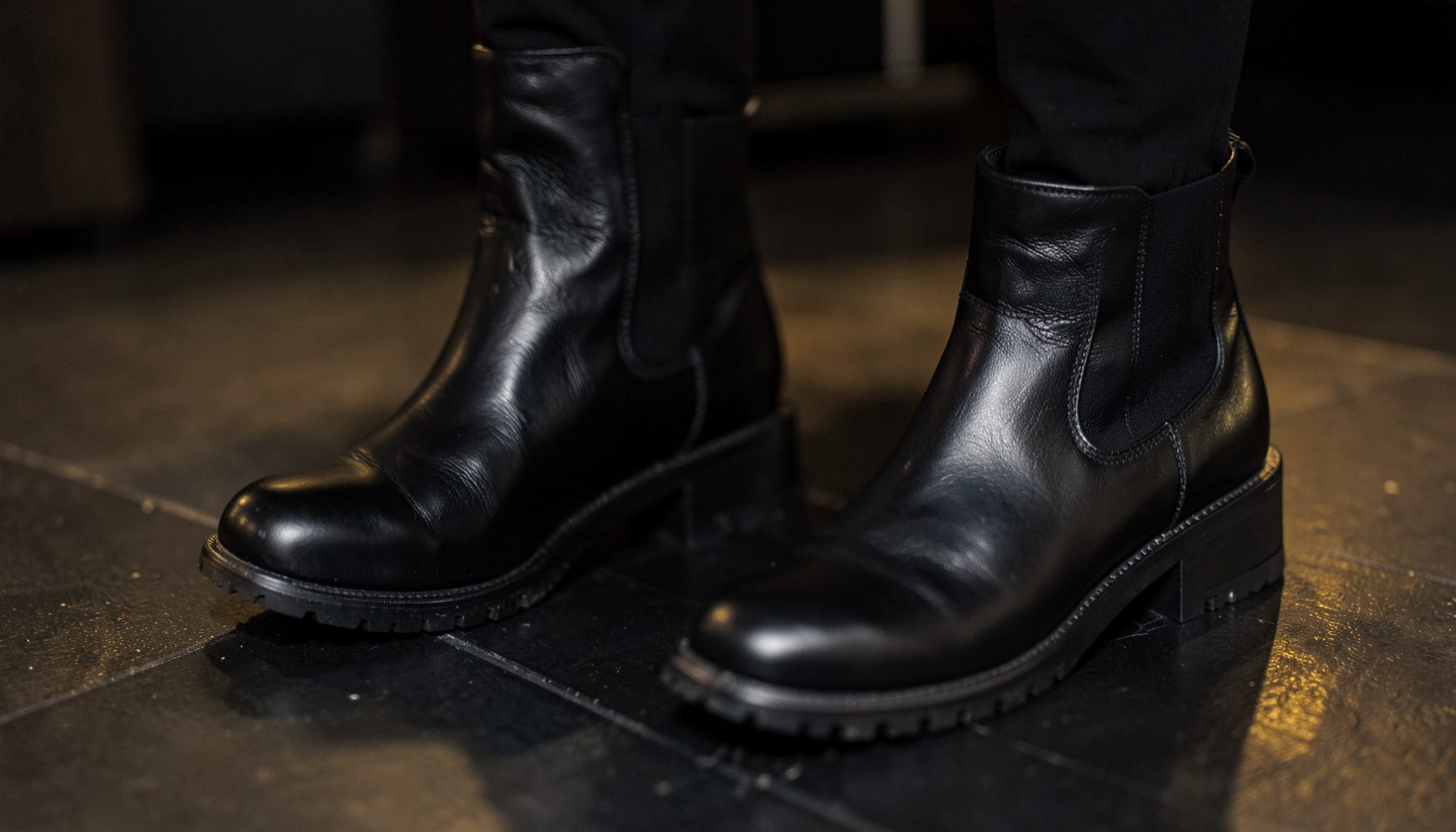
Shoes should look intentional and allow you to move naturally. Loafers, sleek ankle boots, low block heels, refined flats, and clean leather sneakers can all work when they suit the organisation. Sneakers are best reserved for genuinely casual studios and should be spotless, structured, and free from obvious wear.
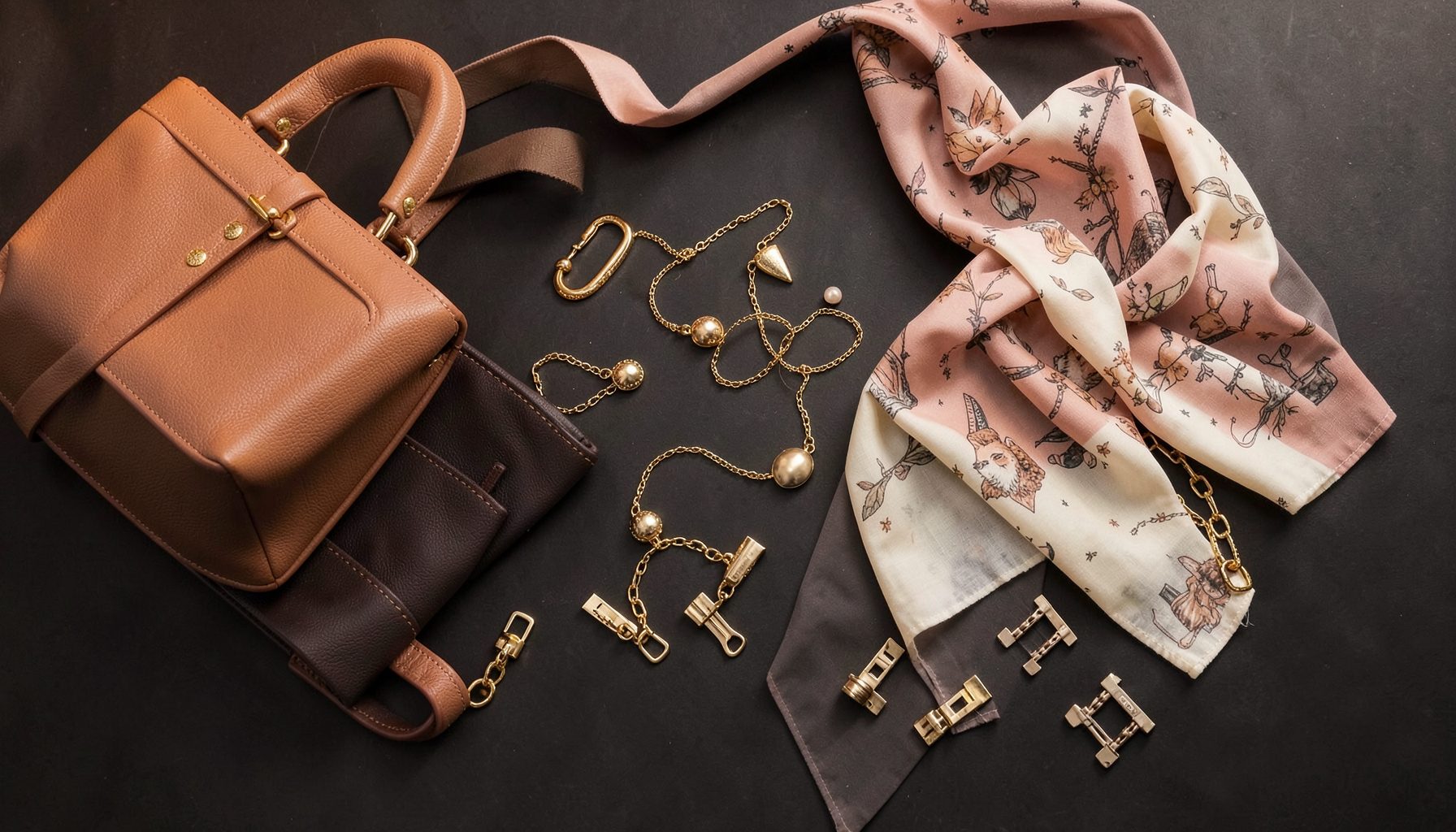
Accessories offer a controlled way to express your identity. Select one or two considered details, such as small sculptural earrings, a simple watch, a narrow belt, or a practical tote. Your bag should fit a portfolio, tablet, notebook, or water bottle without looking overcrowded. Avoid noisy jewellery, novelty pieces, and anything you will repeatedly adjust during the interview.
Prepare the outfit before interview day
Try on the full outfit at least one day ahead, including underwear, shoes, coat, and bag. Sit, stand, walk, and reach for a notebook to check that nothing pulls, rides up, or restricts movement. This is especially important for fitted dresses, jumpsuits, cropped trousers, and statement sleeves.
Use the following checklist to keep the final look professional and comfortable:
- Check the company’s dress culture and the expected level of client contact.
- Choose one creative feature, such as colour, print, texture, or jewellery.
- Steam or iron every visible piece and remove lint, loose threads, and pet hair.
- Test your shoes on a short walk before the interview.
- Pack a spare layer, mints, tissues, and a printed copy of your résumé if useful.
- Check the weather and allow extra travel time for public transport delays.
Keep grooming neat but recognisably yours. Hair, makeup, facial hair, and nails do not need to follow a strict corporate formula; they simply need to look deliberate. A light fragrance is safer than a strong one, particularly in a compact studio or shared office.
Choose clothing that allows you to focus on the conversation rather than your appearance. Online retailers can make it easier to compare dresses, denim, jumpsuits, boots, bags, and jewellery while staying within a budget. Look for secure checkout, clear sizing information, and a return policy that gives you time to assess the fit before the interview.
Select your outfit, try it on in full, and make any adjustments while there is still time. Walk into the meeting with clothing that reflects your creative judgement, respects the workplace, and gives you the confidence to present your best work.