
Finding Ankle Boots That Flatter Every Calf Shape
That half-zip boot you saved up for, only to discover it gapes at your ankle or refuses to close over your calf, is a uniquely frustrating experience. Shoppers in Sydney, Melbourne, and Brisbane know the disappointment well, particularly when seasonal wardrobes call for versatile footwear from autumn through early spring.
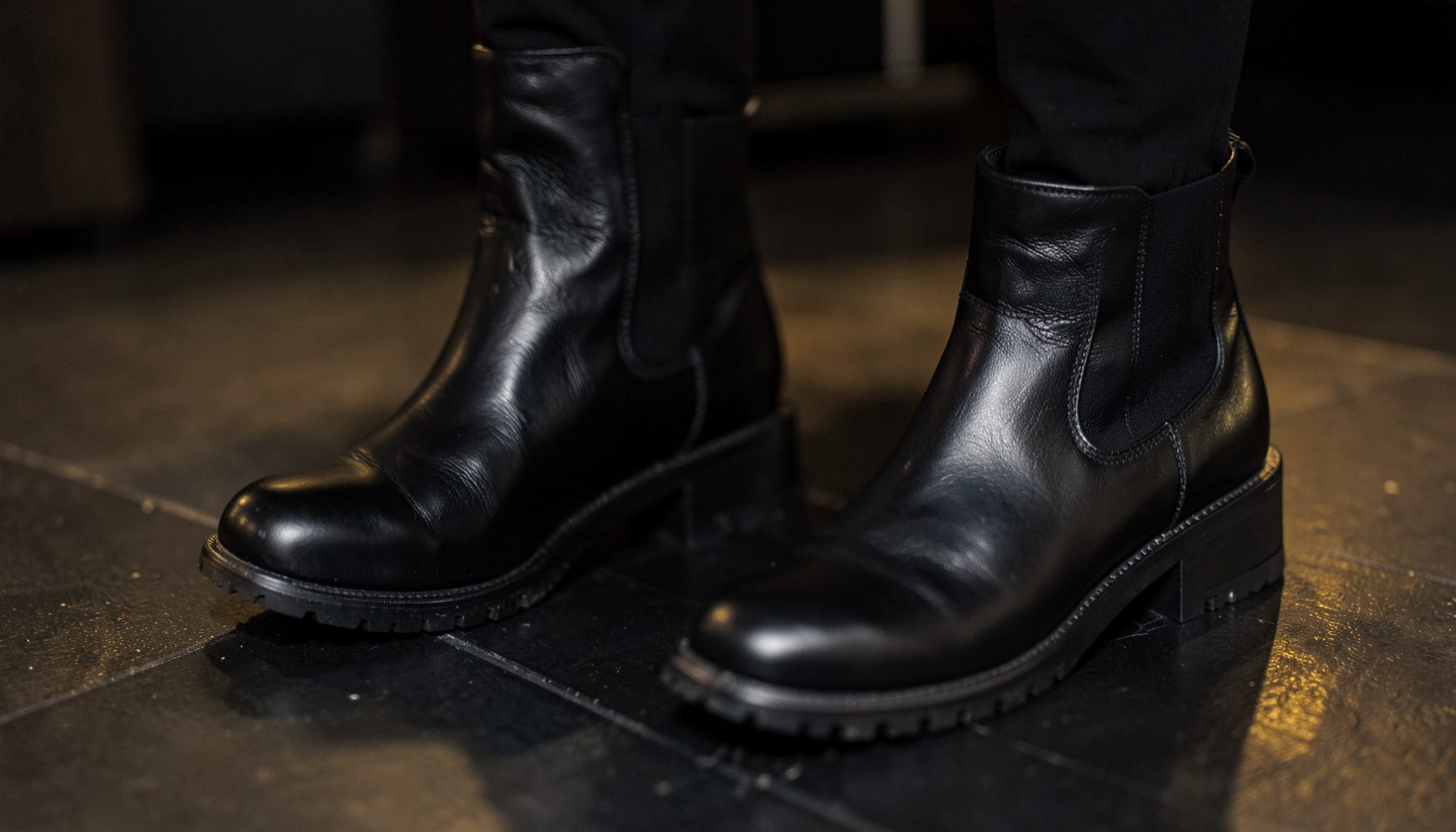
A well-cut ankle boot should hug the foot, sit neatly at the ankle bone, and either skim the lower leg or stretch comfortably around it, depending on your shape. The market has expanded far beyond one-size-fits-all silhouettes, and knowing your measurements transforms how you shop online.
Why calf fit matters more than you think
Ankle boots that ignore the natural curve of the leg create visible problems that even the most stylish outfit cannot disguise. A boot that pinches at the top distorts the line of trousers, while one that gaps at the back looks oversized and slips as you walk. Across Australian cities, where café culture and weekend brunches involve plenty of standing and strolling, poorly fitted footwear quickly becomes uncomfortable.
Calf width varies dramatically between individuals, and even between the left and right legs of the same person. Hormonal changes, ageing, and muscle development all play a role, which is why the same boot can fit two friends completely differently. Recognising your own shape is the first step toward boots that look intentional and feel supportive from morning commute to evening drinks.
Measuring your calves at home
Before browsing, take a soft tape measure and wrap it around the widest part of your lower leg, typically a hand's width below the knee. Note it in centimetres rather than inches, as most international brands list measurements in metric units. Then measure your ankle circumference at its narrowest point, just above the bone.
With those two figures in hand, compare them against each boot's product details. A slim calf usually measures around 30 to 35 cm at the widest point, while a fuller calf falls between 38 and 45 cm. Anything outside these ranges is entirely normal, and many labels now offer dedicated narrow or wide-calf options. A tailor in Adelaide or Brisbane can also alter the shaft of a beloved pair for a fraction of the replacement cost.
Best boot styles for slim calves
Slim calves benefit from boots with a closer cut through the shaft, as anything too loose will slouch and shorten the leg visually. Pointed or almond toes elongate the silhouette, while a low block heel adds gentle lift without compromising balance. Sock boots, which hug the ankle like a glove, work beautifully on leaner frames.
Look for styles with zip closures along the inner or outer seam, allowing the boot to slide on easily without straining the material. Avoid overly bulky designs, which can overwhelm a delicate lower leg. Slim-cut boots pair especially well with cropped trousers, knee-high socks, and the layered knitwear common in cooler Melbourne mornings.
Best boot styles for fuller calves
Fuller calves deserve styles that work with the leg rather than against it. Curved or contoured shafts follow the natural line of the muscle, while stretch panels or elasticated gussets accommodate movement without puckering. Wide-calf editions from many mainstream labels now offer the same designs in extended sizes, often adding 2 to 4 cm of room around the shaft.
A slightly higher heel, even just 4 to 5 cm, helps distribute weight through the foot rather than the calf, which reduces fatigue on longer days. Round or square toes balance the proportions of a fuller lower leg, creating a grounded, contemporary look. These boots pair well with wide-leg trousers tucked loosely, or with mid-length dresses that skim the knee.
Heel heights and materials to consider
Heel choice shapes both comfort and aesthetic. Block heels distribute weight evenly and handle uneven footpaths, common in older parts of Sydney and inner Melbourne, far better than slim stilettos. Kitten heels suit slim calves and office settings, while chunky platforms add height and grip for outdoor markets. A 3 to 6 cm heel tends to suit most calf shapes and remains comfortable across a long day.
Material affects fit considerably. Soft leather moulds to the leg over time, suede offers gentle stretch, and synthetic microfibre holds its shape but can feel rigid initially. In Australia, where winter rain and summer humidity both feature in the boot-buying calendar, treated suede and waterproofed leather prove their worth across seasons.
Styling boots across Australian seasons
Autumn and winter in the southern states offer prime boot weather, particularly in Melbourne and Hobart where temperatures drop noticeably between May and August. Pair slim-fit boots with slim jeans or knit leggings, letting the boot's line remain the focal point. Fuller-calf styles work with A-line midi skirts, layered over tights for warmth on cooler days.
In Brisbane and Perth, where winters remain mild, ankle boots often bridge the gap between cool mornings and warm afternoons. Lightweight block-heeled styles in tan or chocolate leather pair easily with block print dresses for a relaxed yet put-together look suited to garden parties and weekend markets. Adding a long coat or trench creates a trans-seasonal outfit that handles temperature swings gracefully.
Shopping smart: returns and guarantees
Shopping online unlocks access to brands that may not stock Australian boutiques, but the right protections make all the difference. Under Australian Consumer Law, administered by the ACCC, goods must be of acceptable quality, fit for purpose, and match their description. This applies to international purchases shipped to Australian addresses, providing an extra layer of confidence.
Look for stores offering at least a 20-day return window and free shipping above a reasonable threshold, which makes trying a second size affordable. SSL-secured checkout protects payment details, while detailed size charts reduce the chance of returns. Reading customer reviews from shoppers who describe their own calf shape provides real-world insight that product photography often misses.
Smart choices before you buy
- Measure both your ankle and calf before browsing, and keep those numbers open in a notes app while shopping.
- Prioritise contoured shafts, stretch panels, or dedicated wide-fit editions if your calf measures above 38 cm.
- Choose block heels for daily wear, particularly if you navigate uneven footpaths or stand for long periods.
- Check the return window and confirm the retailer ships to Australia before committing.
- Read reviews from shoppers with similar builds to gauge how a boot wears beyond the studio shots.
Treat your next boot purchase as an investment rather than an impulse. With the right measurements, the right silhouette, and the right retailer, you'll find ankle boots that feel custom-made, supporting you from weekday meetings to weekend markets in Adelaide and everywhere in between. Browse the curated collections today and step into autumn with confidence.