
Comfortable shoes for standing all day at work
Long shifts can make your feet feel heavy, hot and sore before the working day is over. The right footwear can ease that strain by supporting your arches, absorbing impact and giving your toes enough room to move. This matters whether you work behind a retail counter, in a café, at a salon, in healthcare or in an office where standing has become part of the routine.
For Australian workers, comfort also needs to suit the local climate and commute. A pair worn through a humid Brisbane summer may need to feel very different from one used for cool Melbourne mornings, rainy Sydney pavements or long walks between Perth train stations. Style still counts, but reliable support should come first.
What makes a shoe comfortable for long shifts
The best work shoes for prolonged standing usually have balanced cushioning rather than an extremely soft, unstable sole. A cushioned footbed can reduce pressure under the heel and forefoot, while a firm midsole helps the foot stay supported as the hours pass. Look for a design that bends near the toes but does not fold easily through the middle.
Arch support should feel noticeable without creating a hard lump beneath your foot. People with low arches, high arches or previous foot pain may need different levels of support, so trying shoes on later in the day is useful. Feet often swell slightly after hours of walking and standing, making an afternoon fitting more realistic than a first-thing-in-the-morning test.
A low, broad heel is generally more stable than a narrow or elevated one. If your workplace requires a polished appearance, block heels, low wedges and smart loafers can provide a dressier look without placing excessive pressure on the balls of your feet.
Match the style to your workplace
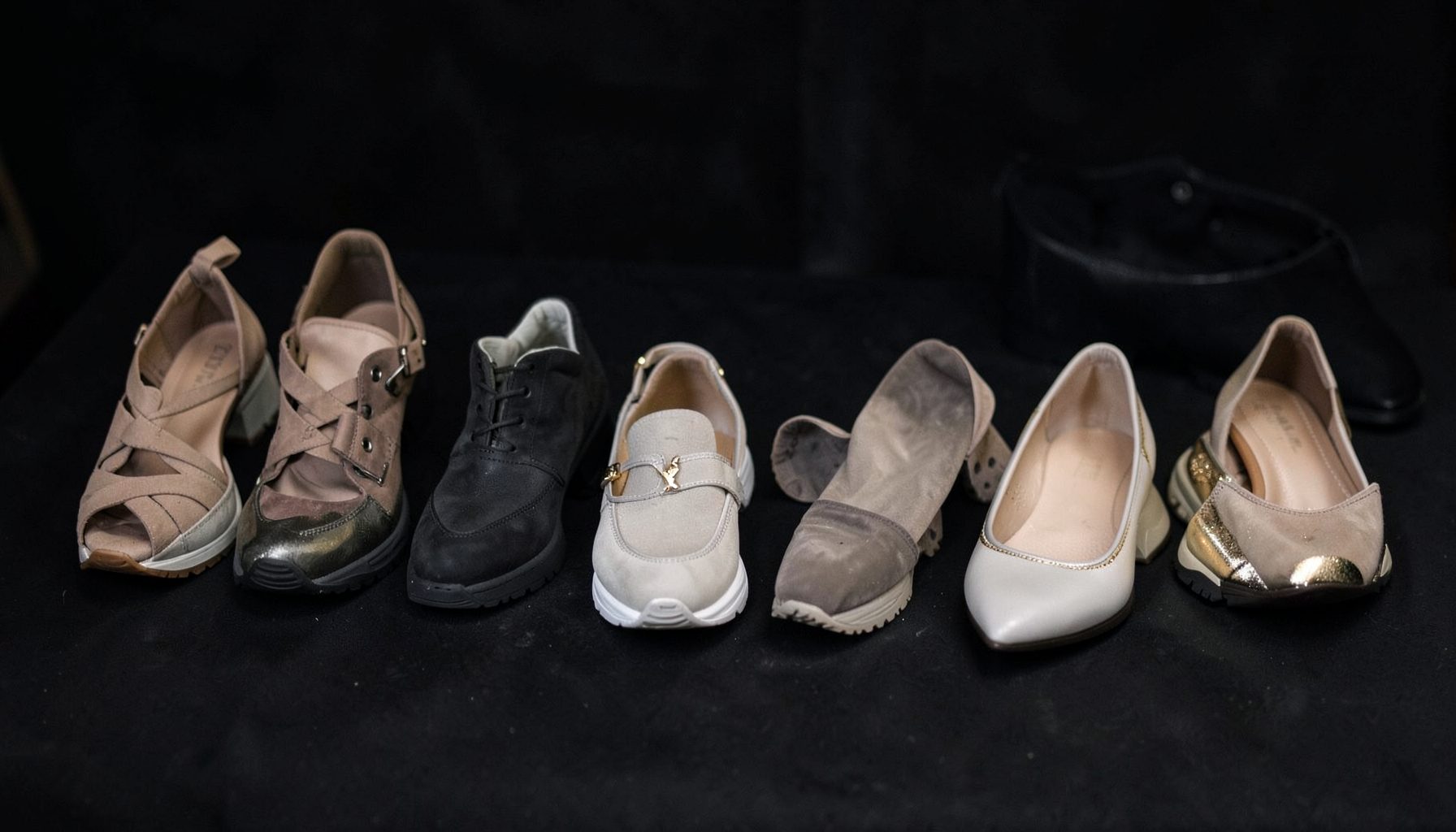
Sneakers are often the practical choice for retail, warehouse and casual office settings. Choose a pair with a grippy outsole, a supportive heel counter and breathable panels. Slip-on sneakers can be convenient, though they should hold the heel securely rather than forcing your toes to grip with every step.
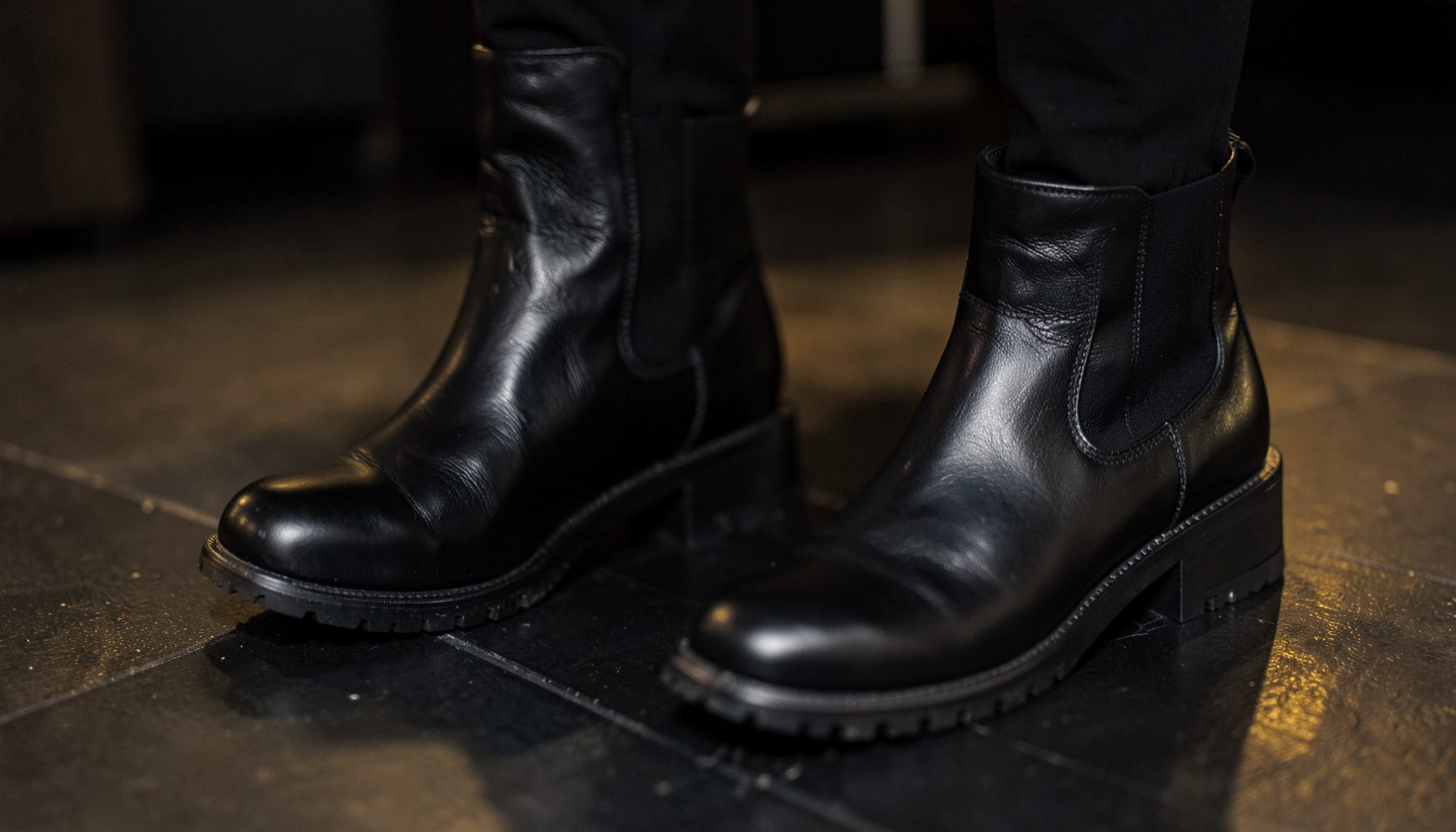
Loafers, ballet flats and streamlined ankle boots work well when your dress code is more formal. A rounded or almond-shaped toe is usually more comfortable than a sharply pointed front, especially during a long shift. For hospitality and healthcare, prioritise slip resistance and easy-clean materials because spills, polished floors and sudden changes of direction are everyday concerns.
Australia’s warm weather makes ventilation especially valuable. In Brisbane or Darwin, mesh, perforated leather and moisture-managing linings can help prevent clammy feet. In Melbourne, where a morning commute may be cool and wet but an indoor workplace can feel warm, versatile footwear with a breathable lining is a sensible choice.
| Shoe style | Best for | Features to look for | Potential drawback |
|---|---|---|---|
| Supportive sneakers | Retail, casual offices, active shifts | Cushioned midsole, secure lacing, rubber grip | May not suit formal dress codes |
| Low block heels | Offices, events, customer-facing roles | Broad heel, padded insole, stable base | Less suitable for very long walks |
| Loafers | Smart-casual workplaces | Flexible upper, roomy toe box, firm heel counter | Some styles need breaking in |
| Cushioned flats | Offices and light standing duties | Arch support, shock absorption, non-slip outsole | Very thin soles can lack protection |
| Ankle boots | Cooler months and polished outfits | Low heel, supportive footbed, weather-resistant upper | Can feel warm in tropical climates |
| Slip-resistant work shoes | Hospitality, healthcare, service work | Oil-resistant grip, easy-clean finish, secure fit | Often more functional than fashionable |
Get the fit right before a full shift
A comfortable pair should leave a small amount of space between your longest toe and the front of the shoe. Your toes should be able to spread naturally, and the widest part of your foot should sit comfortably within the shoe’s broadest section. Tightness across the forefoot is a warning sign, even if the length appears correct.
Try shoes with the socks you normally wear at work. Walk on a firm surface, climb a few steps and check whether your heel lifts excessively. If you rely on orthotics, removable footbeds can make fitting easier. Australian sizing can vary between brands, so use measurements and the store’s own size guide rather than assuming the same size will fit every style.
Do not expect severe discomfort to disappear after a “breaking-in” period. Minor stiffness in leather may improve, but rubbing, numbness, pinching or burning usually signals a poor fit. A blister on the first day can become a recurring problem during a busy Sydney retail shift or a long hospitality service.
Build a work-ready shoe rotation
Wearing the same pair every day can compress the cushioning and trap moisture inside the shoe. Rotating two or three suitable pairs gives each one time to air out and allows the materials to recover. Alternate between sneakers, loafers or boots according to your shift, uniform and commute rather than forcing one pair to handle every situation.
Socks influence comfort as much as the shoe itself. Seamless or lightly cushioned socks can reduce friction, while breathable fibres help in warmer parts of Australia. If you walk to work in Adelaide or use public transport across Melbourne, consider carrying a smarter indoor pair if your commuting shoes are designed for distance rather than presentation.
When you are updating several parts of your wardrobe, browsing shop work-ready styles can make it easier to coordinate shoes with dresses, denim, jumpsuits and everyday separates. A versatile neutral pair in black, tan or white can work across multiple outfits, while a richer colour or textured finish adds personality without sacrificing practicality.
Care for your feet and footwear
Inspect the outsole regularly, especially if you work on smooth tiles or concrete. Worn tread can reduce traction, and compressed cushioning may leave your heels and knees feeling tired sooner. Replace shoes when the sole is uneven, the heel leans to one side or the upper no longer holds your foot securely.
Keep footwear dry and clean according to its material. Allow damp shoes to air naturally after a rainy commute instead of placing them directly beside a heater, which can damage leather and adhesives. Insoles may need occasional airing or replacement, particularly when shoes are used in warm conditions.
Small workplace habits can help too. If possible, change position frequently, take brief walking breaks and use a supportive mat behind a counter. Alternating your stance is better than locking your knees, and comfortable footwear works best as part of a broader approach to reducing fatigue.
Choose shoes that combine stable support, a roomy fit, breathable materials and a sole suited to your workplace. Browse affordable outfit options, select a pair that fits your actual shift conditions, and give your feet dependable comfort from the first commute to the final task of the day.