The Best Leggings for Athletic Builds
Athletic legs deserve leggings that follow the body’s natural shape without digging in, sliding down, or becoming sheer during movement. A strong lower body often means fuller thighs, developed glutes, and a defined waist, so standard sizing may not always provide the most balanced fit.
The right pair combines supportive stretch, a secure waistband, breathable fabric, and enough room through the hips and thighs. Whether you are training, running errands, relaxing at home, or building an everyday outfit, thoughtful design makes leggings feel more comfortable and look more polished.
Affordable activewear has also become easier to find online, with styles ranging from sculpting gym leggings to soft flared silhouettes. A few practical checks can help you choose pairs that flatter an athletic frame while handling repeated wear.
What Athletic Legs Need From Leggings
A curved, muscular lower body generally benefits from four-way stretch. This type of fabric moves horizontally and vertically, allowing the leggings to accommodate fuller thighs and glutes without pulling across the seams. Look for materials that recover quickly after squats, lunges, and long periods of sitting.
The waistband is equally important. A high-rise design can create a smooth transition from the waist to the hips, while a wide, double-layered band is less likely to roll. Waistbands with a firm but flexible hold are preferable to extremely tight styles that compress the stomach uncomfortably.
Choose Fabric And Compression
Fabric weight affects both confidence and comfort. Medium-weight polyester or nylon blends with elastane usually offer reliable coverage, shape retention, and moisture management. Soft brushed fabrics are ideal for low-impact exercise and loungewear, while slicker performance knits often work well for running, cycling, and gym sessions.
Compression should match the activity. Light compression gives an easy, flexible feel for walking or daily wear. Medium compression can support training without restricting a deep squat. Firm compression may suit intense workouts, although it should never cause numbness, pinching, or visible strain around the waistband.
Pay attention to the finish, too. Matte fabrics tend to look streamlined and disguise minor creasing, while ribbed textures can add visual interest and contouring. Seamless constructions reduce friction, but carefully placed flat seams can provide excellent support when they are positioned away from sensitive areas.
Compare Features Before You Buy
Different leggings solve different wardrobe needs. The best choice depends on whether you want a performance base layer, a sculpting option for strength training, or a versatile piece for casual outfits. Use the comparison below to match construction with your routine.
| Legging style | Best for | Key benefits | What to check |
|---|---|---|---|
| High-rise training leggings | Gym sessions and weight training | Secure waist, flexible stretch, squat-friendly coverage | Waistband recovery and gusset construction |
| Sculpting leggings | Strength workouts and shaped outfits | Contouring seams, supportive fabric, defined silhouette | Avoid excessive compression or harsh seams |
| Seamless leggings | Yoga, mobility, and casual wear | Low friction, soft feel, smooth appearance | Stretch recovery after repeated wear |
| Flared leggings | Everyday outfits and studio classes | Balanced proportions, relaxed lower leg | Length and fabric weight |
| Pocket leggings | Running, walking, and travel | Convenient storage for phone or keys | Pocket placement and bounce during movement |
| Brushed lounge leggings | Rest days and home dressing | Warm, soft, comfortable finish | Opacity and pilling resistance |
A gusseted crotch is particularly useful for athletic builds because it distributes tension more evenly. Side pockets can add practicality, while a hidden waistband pocket is suitable for a card or key. These details may seem minor, but they have a noticeable effect during movement.
Fit Details That Prevent Distraction
The ideal pair should sit smoothly at the waist without creating a deep indentation. If the waistband rolls during a squat, the rise may be too short, the size may be too small, or the fabric may lack recovery. If excess fabric gathers behind the knees, the leggings may be too long or designed with a looser cut.
Check the seams around the glutes and inner thighs. They should lie flat and remain stable as you walk or exercise. A curved back seam can provide extra shaping, but it should follow the body naturally rather than pulling sharply upward. For maximum versatility, choose a fit that feels secure during movement and comfortable when standing still.
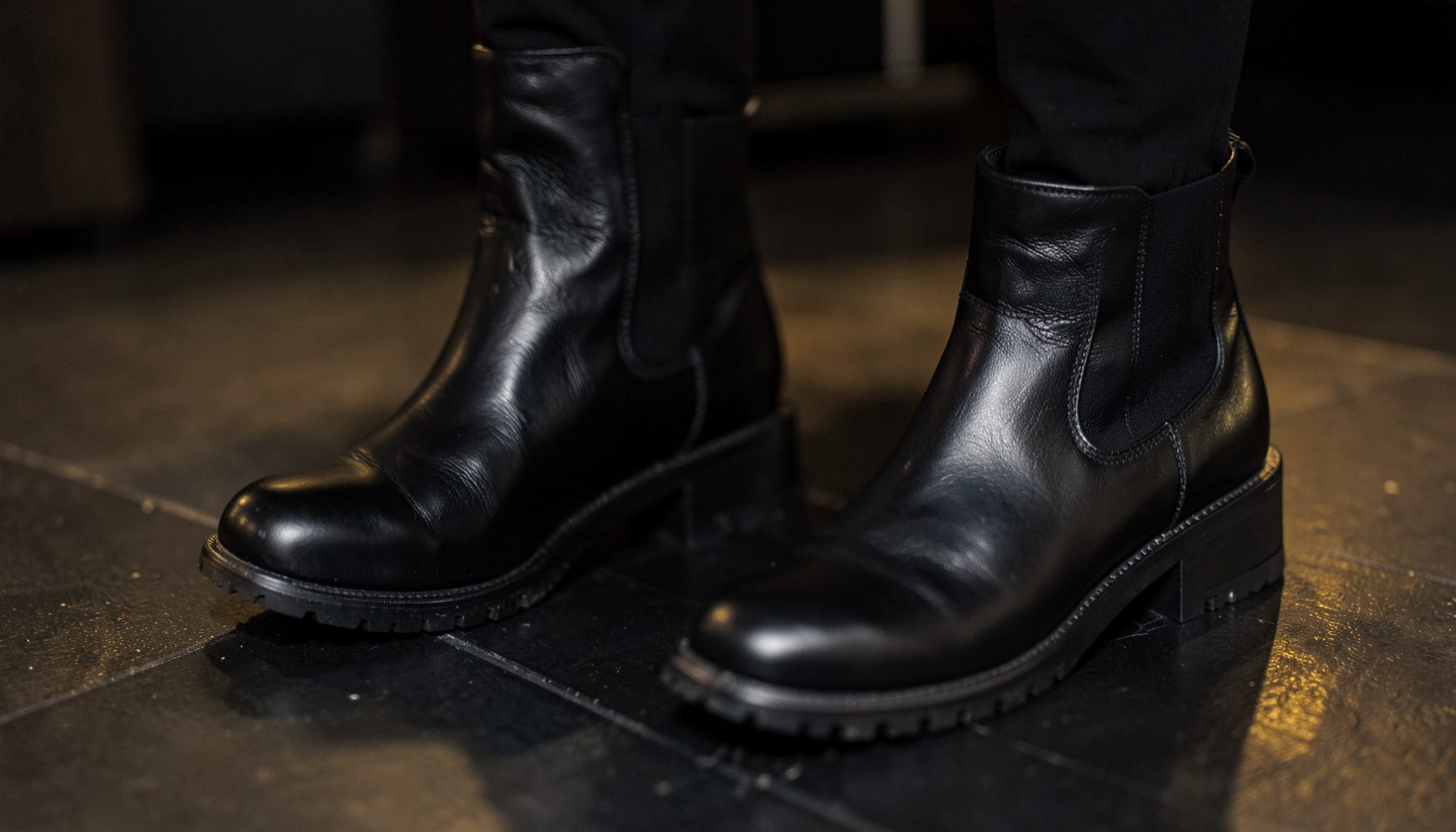
Length also changes the overall balance of an outfit. Full-length leggings work well with trainers and boots, 7/8 lengths highlight the ankle, and flared hems can complement a defined waist and fuller hips. Taller shoppers may prefer extended lengths, while petite customers often benefit from cropped or ankle-grazing cuts.
Styles For Training And Everyday Wear
For gym sessions, choose opaque high-rise leggings with medium compression and moisture-wicking fabric. Black, charcoal, navy, and deep olive are easy to coordinate with sports bras, sweatshirts, and lightweight jackets. A subtle contour panel can enhance shape without making the garment look overly technical.
For everyday dressing, ponte-style leggings, ribbed flares, and soft matte designs can bridge the gap between activewear and casual fashion. Pair them with an oversized shirt, knit jumper, longline blazer, or denim jacket. Those creating complete outfits can browse shop complete outfits alongside shoes, bags, and accessories for a coordinated look.
Colour can also be used strategically. Darker shades create a streamlined appearance, while earthy neutrals offer more styling flexibility than bright seasonal colours. If you prefer printed leggings, look for smaller-scale patterns or darker backgrounds that maintain a balanced silhouette.
Smart Shopping Priorities
Before ordering, read the fabric composition and sizing notes rather than relying on a familiar size alone. Measure the waist and fullest part of the hips, then compare those figures with the brand’s chart. Reviews can also reveal whether the leggings run small, become transparent when stretched, or lose their shape after washing.
Consider how often the garment will be worn. A dependable everyday pair should be comfortable enough for several hours, durable enough for frequent washing, and neutral enough to suit multiple tops and shoes. For specialist training, prioritise performance features over decorative details.
- Choose four-way stretch for unrestricted movement through the hips and thighs.
- Select a wide, high-rise waistband that stays flat during exercise.
- Test opacity by checking the fabric under bright light and while squatting.
- Look for a gusset and flat seams to reduce rubbing.
- Match compression, length, and fabric warmth to your main activity.
Care instructions matter after purchase. Wash leggings inside out on a cool cycle, avoid fabric softener when possible, and air-dry them away from direct heat. These habits help protect elastane, colour, and waistband recovery.
Build A Better Leggings Rotation
A practical wardrobe may include one durable black training pair, one soft everyday style, and one statement or flared option. This small rotation gives you reliable performance for exercise while covering casual outfits, travel days, and relaxed weekends.
Fit should always take priority over a trend. When leggings remain opaque, stay in place, and feel comfortable around the waist and thighs, they become dependable wardrobe essentials rather than single-season purchases.
Browse fresh activewear and coordinating fashion pieces online, then choose leggings that support your movement, suit your proportions, and work with the clothes you already enjoy wearing.