How to Wear Bright Colours Together With Ease
Bright clothing can make an outfit feel energetic, modern and personal, but combining several vivid shades requires a little editing. The aim is to create colour harmony rather than let every piece compete for attention.
A successful outfit usually has one clear focal point, one supporting colour and a quiet base. With the right balance of saturation, texture and proportion, bright dresses, denim, shoes and accessories can work together for everyday errands, office dressing or a special occasion.
Start With A Dominant Colour
Choose one shade to lead the outfit. Cobalt blue, hot pink, vivid orange, emerald green or sunny yellow can all act as the main colour, while the other pieces play supporting roles. A bright blouse with neutral trousers is an easy starting point, but a colourful skirt can work just as well with a softer top.
The dominant shade should usually appear on the largest garment or the piece you want noticed first. If you wear a bright jumpsuit, keep your bag and shoes restrained. If your outfit is mostly black, cream or denim, a strong handbag or pair of boots can provide the colour focus without overwhelming the whole look.
Use Colour Relationships Intentionally
Colour-wheel pairings make bold combinations easier to plan. Complementary colours sit opposite each other, such as blue and orange or purple and yellow, creating high contrast. Analogous shades sit next to each other, such as pink, red and orange, producing a more blended effect.
You do not need to match colours perfectly. Varying the intensity helps prevent visual overload: pair a saturated green with a softer lilac, or combine bright blue with a dusty orange. Denim, tan leather, white and black can also act as visual pauses between stronger shades.
Combinations That Feel Balanced
- Cobalt blue with tangerine and warm beige
- Fuchsia with red and soft pink
- Emerald green with lilac and cream
- Bright yellow with denim blue and white
Control Saturation And Proportion
When every item is equally vivid, the outfit can appear busy. Instead, mix one highly saturated colour with a muted or pale version of another. A neon pink top may feel more polished with sage trousers than with equally intense lime green.
Proportion matters too. Try the 60-30-10 approach: let a calm base cover most of the outfit, use a secondary colour for roughly a third, and reserve the strongest shade for a small accent. This works well with a bright bag, colourful sneakers, statement earrings or a belt.
Australian wardrobes benefit from flexible layering because conditions can change quickly. In Melbourne, a saturated lightweight knit over a neutral slip dress is practical for shifting temperatures, while Brisbane shoppers may prefer breathable cotton, linen-look fabrics and bright sandals for warmer days.
Let Texture Add Depth
Colour is easier to wear when fabrics create contrast. Satin, denim, ribbed knit, cotton, faux leather and suede reflect light differently, giving a multicoloured outfit more dimension without adding extra shades. A silky orange camisole can look refined with matte blue trousers, while a textured knit can soften a sharp pink skirt.
Prints require a similar editing process. Choose one or two colours from the print and repeat them in a smaller accessory. If a floral dress includes green and coral, select coral sandals or a green bag rather than introducing a third bright colour.
Simple Ways To Reduce Visual Noise
- Add white, cream, navy, black or denim between vivid pieces
- Repeat one colour in two small details
- Keep jewellery delicate when clothing is highly saturated
- Choose clean silhouettes instead of several competing ruffles or embellishments
Build Outfits Around Real-Life Plans
Bright colour can be adapted to the setting. For a Sydney commute, try a saturated blazer with wide-leg denim, a plain tee and practical loafers. For a weekend market in Adelaide or Perth, a colourful midi dress with a crossbody bag and flat sandals offers movement and comfort.
For evening plans, use darker supporting colours to make a vivid shade feel more sophisticated. A jewel-toned dress can work with black heels and a small metallic bag, while a bright jumpsuit may need only simple earrings and a low-key shoe.
Seasonal dressing also changes across Australia. Lightweight layers suit coastal weather, while breathable activewear in strong colours can move from a morning walk to casual errands. Consider sun protection, ventilation and easy-care fabrics alongside the colour palette.
Finish With Thoughtful Accessories
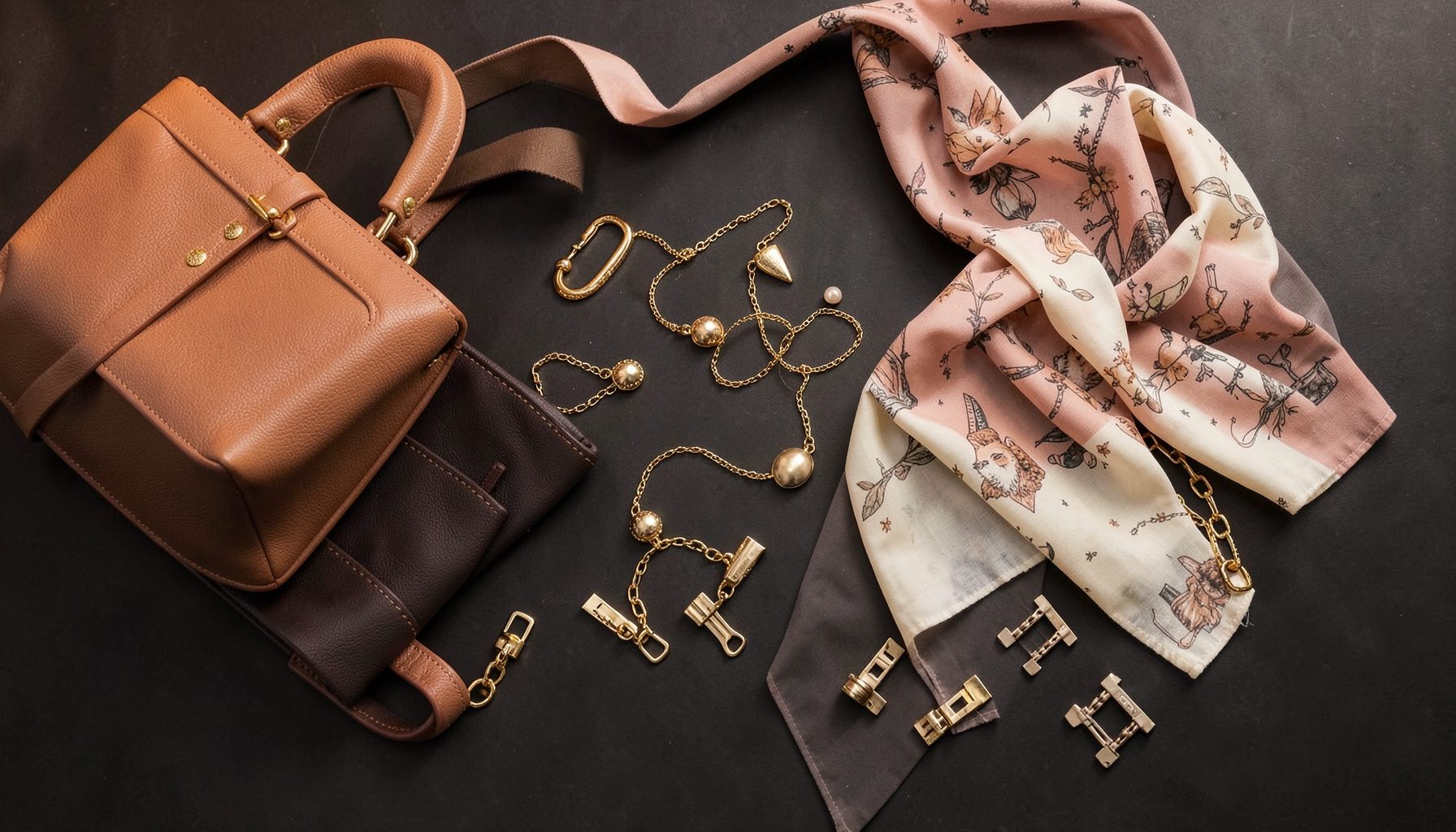
Accessories are the simplest way to test a bold palette before committing to a full outfit. Start with one colourful item, then add a second piece in a related shade or a neutral finish. A bright handbag with matching earrings can look intentional, while a colourful bag, shoes, scarf and necklace together may dilute the focal point.
Metallics can bridge contrasting colours. Gold complements warm reds, oranges and yellows, while silver works neatly with blues, greens and purples. Neutral accessories remain useful when the clothing already contains several vivid tones, especially for occasionwear.
| Outfit base | Bright accent | Supporting accessories | Overall effect |
|---|---|---|---|
| White shirt and denim | Cobalt bag | Tan sandals and gold jewellery | Fresh and polished |
| Black jumpsuit | Emerald shoes | Minimal silver jewellery | Sleek and modern |
| Cream dress | Coral cardigan | Nude flats and a small bag | Warm and approachable |
| Navy trousers and tee | Fuchsia blazer | White sneakers and simple earrings | Energetic but balanced |
Shop Colour With Confidence
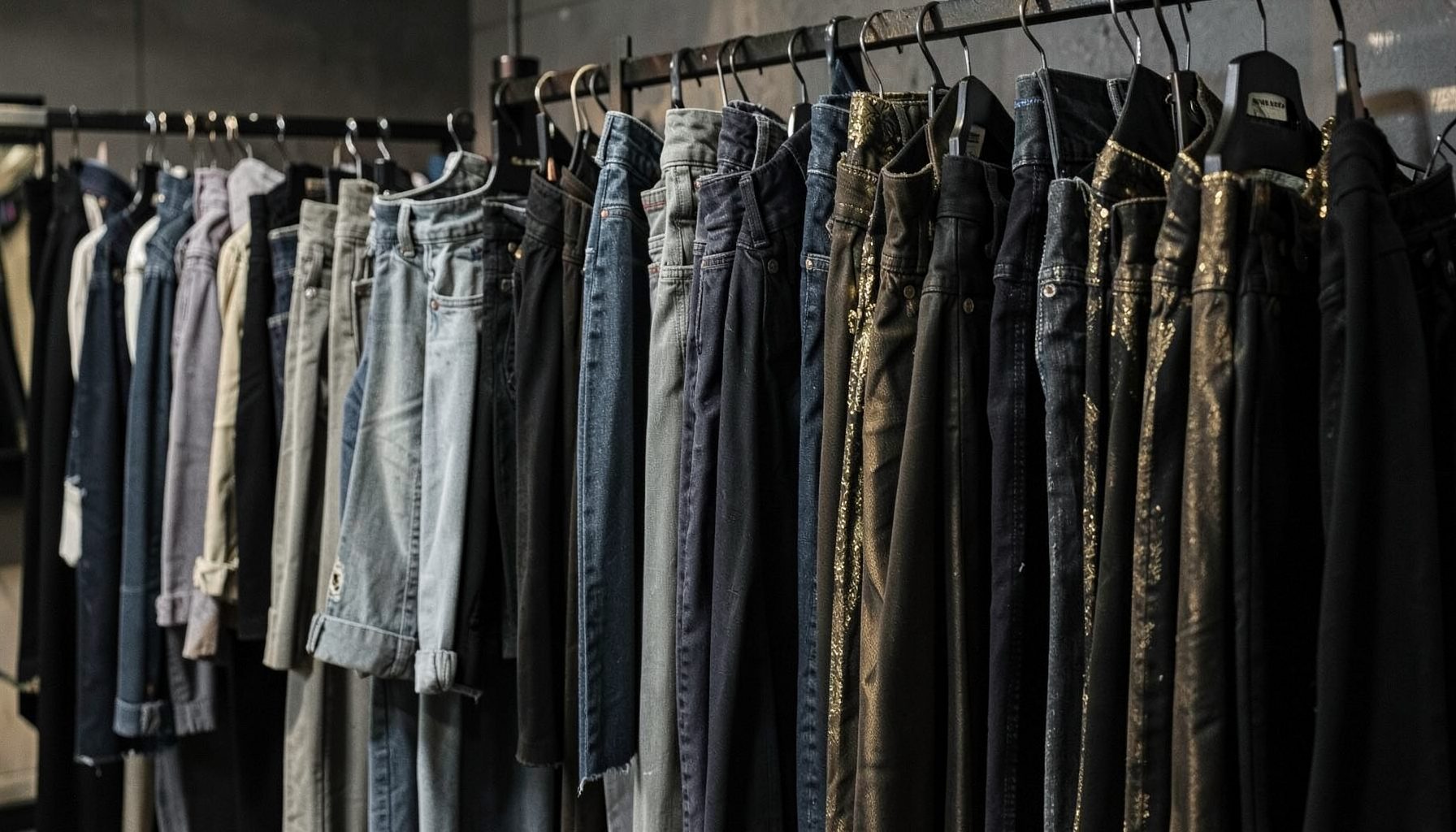
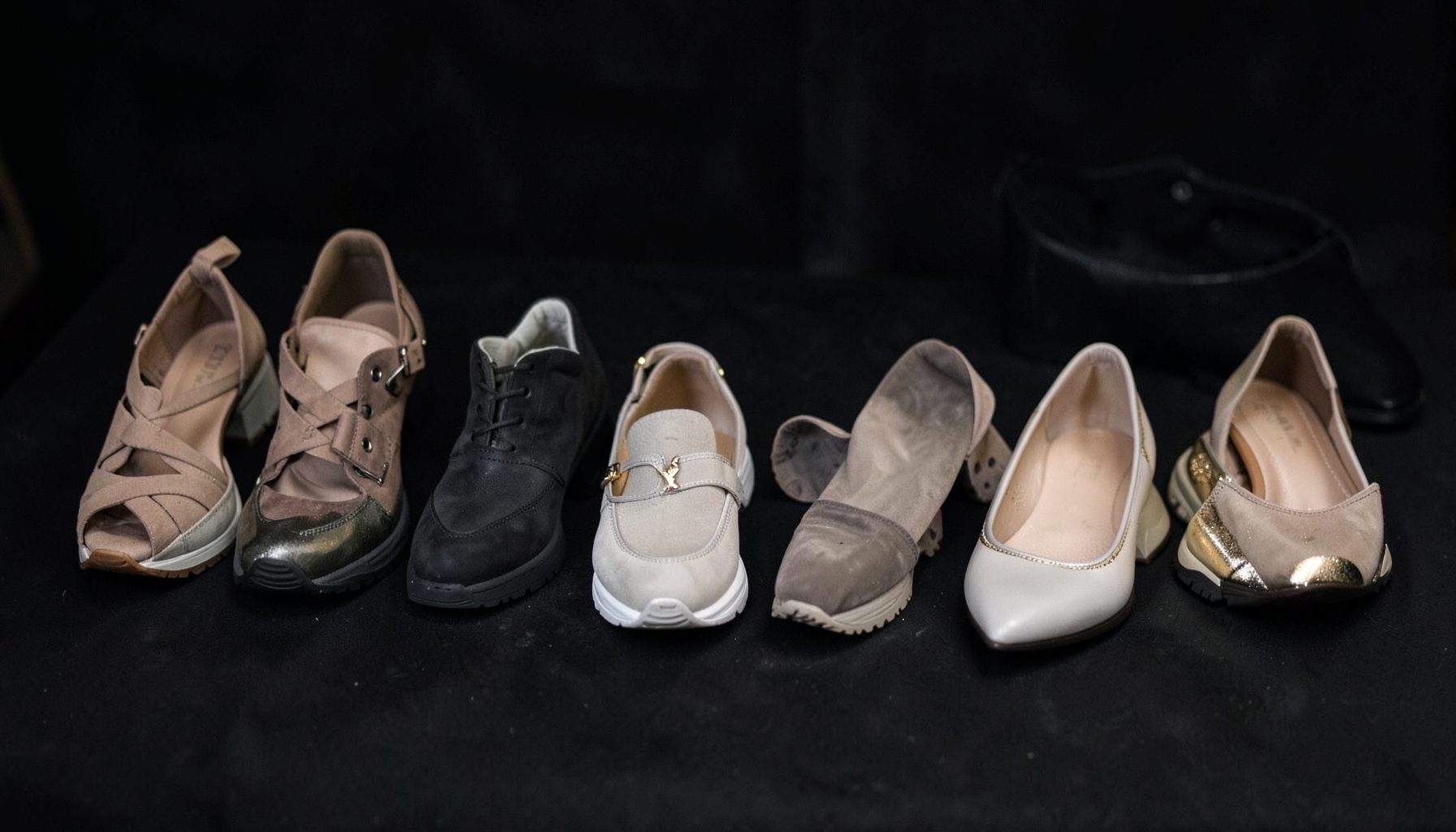
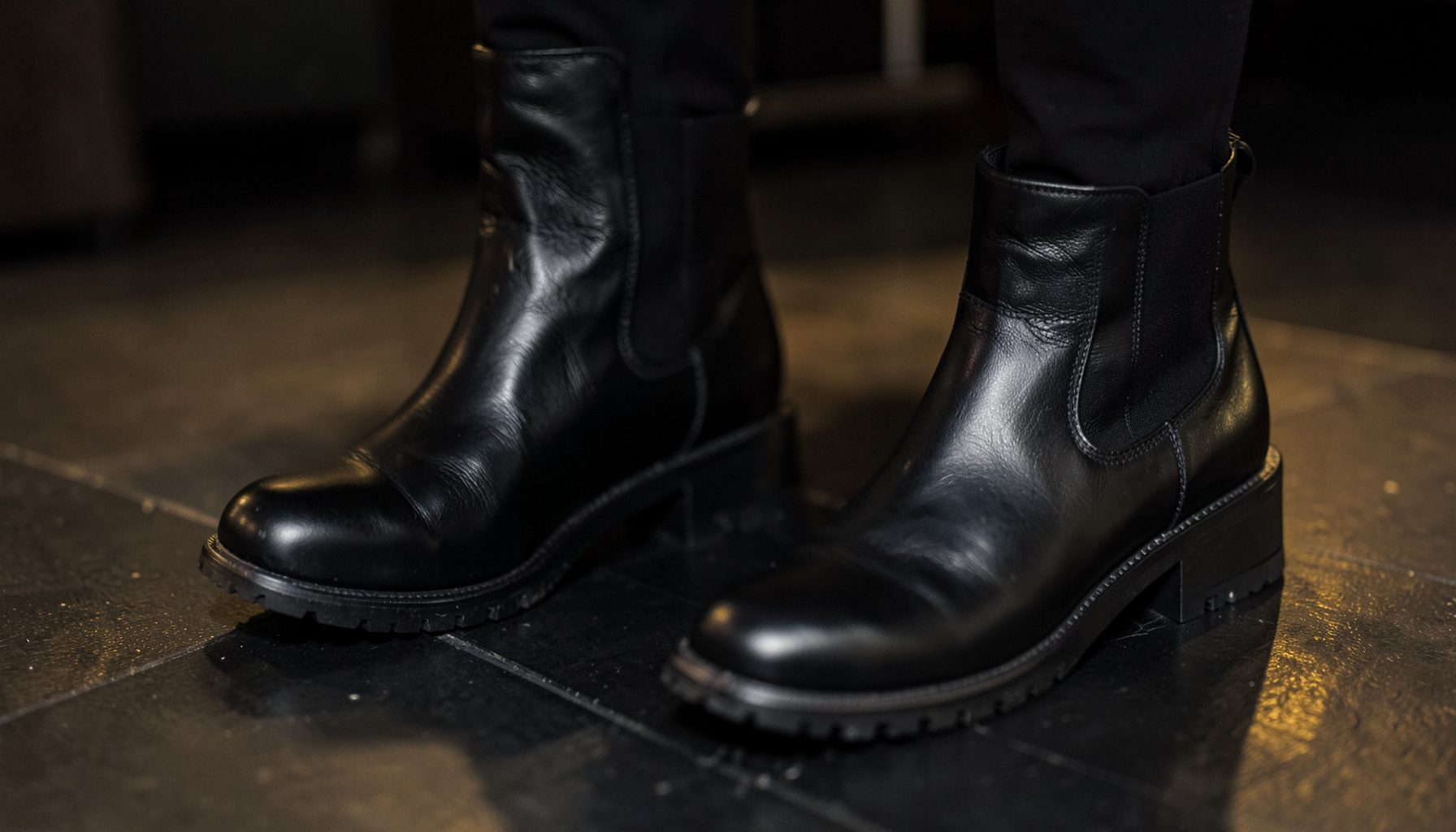
When selecting new pieces, think about how each item will work with what you already own. A bright dress can become more versatile with denim, a neutral jacket or a simple boot, while a colourful accessory can refresh several everyday outfits. Sudeshna Das offers dresses, jumpsuits, denim, loungewear, activewear, footwear, bags and jewellery for building a coordinated wardrobe online.
Before ordering, check sizing information, fabric details, delivery conditions and the applicable return terms. Australian shoppers should also remember that the Australian Consumer Law provides consumer guarantees for products that are faulty, unsafe, significantly different from their description or unfit for purpose; a store’s voluntary change-of-mind policy is separate. Review the retailer’s specific policy, including its stated 20–30 day return guarantee and any international delivery conditions.
Use sale pricing to experiment with one vivid item rather than buying an entire new palette at once. With secure SSL checkout, free shipping on orders over £60 as advertised by the store, and a considered approach to colour balance, you can choose bright pieces that earn regular space in your wardrobe. Browse the collection and create a look where every shade has a purpose.