Layering jewelry for effortless everyday style
Layering jewelry brings depth, movement, and personality to even the simplest outfit. A fine chain can soften a tailored shirt, while stacked bangles can make jeans and a knit top feel intentionally styled. The secret is creating harmony rather than wearing every favorite piece at once.
Necklace and bracelet stacks work especially well because they frame the face and draw attention to the hands. With a few thoughtful choices, the same pieces can move from daytime errands to dinner, holidays, or a special occasion without looking overdone.
The best combinations usually balance different lengths, textures, and proportions. Start with the clothes you already wear, then use jewelry to support the outfit’s neckline, color palette, and overall mood.
Start with one visual anchor
Choose one piece to lead the arrangement. This might be a pendant necklace, a chunky chain, a gemstone bracelet, or a watch with a distinctive face. Once you have a focal point, add simpler pieces around it instead of allowing every item to compete for attention.
A statement necklace looks polished with two delicate chains, especially when each one sits at a different level. If your main piece is a bold cuff, pair it with slim bangles or a single beaded bracelet. This creates contrast while keeping the stack comfortable and easy to wear.
Your anchor does not have to be dramatic. A small locket, engraved charm, or textured chain can provide enough visual interest for a refined everyday look.
Vary necklace lengths and textures
A successful necklace combination needs clear spacing. Try a short chain near the collarbone, a medium-length pendant, and a longer chain that falls below the neckline. The difference between lengths prevents the pieces from tangling and helps each design remain visible.
Texture also creates dimension. Combine polished metal with hammered finishes, a smooth cord with a linked chain, or a delicate strand with a slightly heavier pendant. Mixing textures gives a minimalist outfit more character without relying on bright colors.
Keep the number of focal details limited. If one necklace includes a large pendant, choose quieter chains around it. When all pieces are bold, the arrangement can look crowded and lose its sense of proportion.
Coordinate metals with intention
Gold, silver, and rose gold can be worn together successfully when the combination looks deliberate. One simple method is to choose a two-tone piece as a bridge, then repeat both metals elsewhere in the stack. For example, a gold necklace, silver chain, and mixed-metal bracelet can feel connected when the same tones appear across the outfit.
If you prefer a cleaner appearance, stay within one metal family and vary the finish instead. Shiny gold, brushed gold, and antique gold offer subtle contrast while maintaining a coordinated effect. Silver works beautifully with cool neutrals, denim, black, and jewel tones, while warm gold complements cream, tan, olive, and earthy shades.
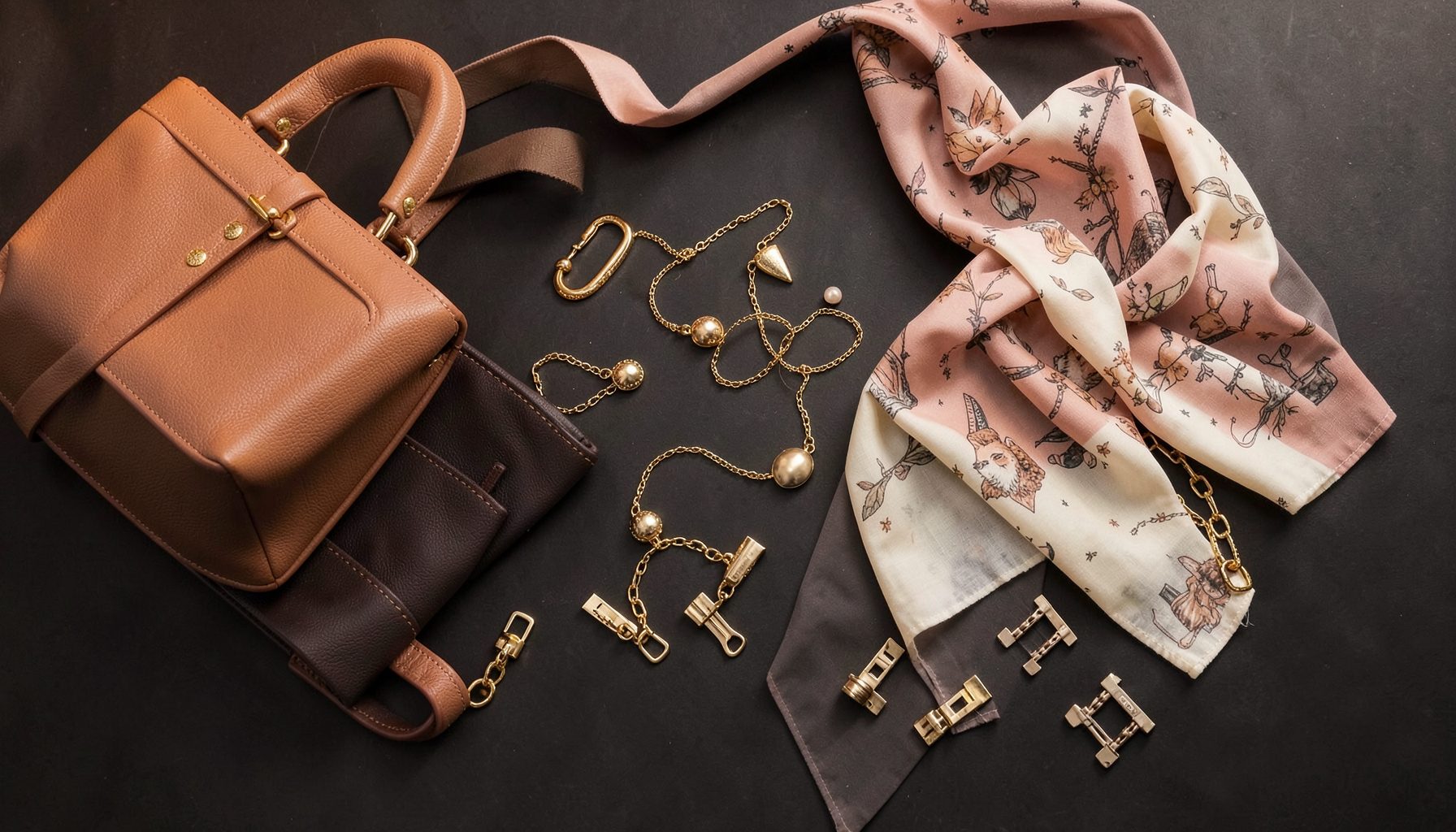
Consider the hardware on your clothing as well. A bag with silver fittings or boots with gold buckles can quietly reinforce your chosen jewelry palette.
Balance bracelets with your outfit
Bracelet layering is easiest when you combine different widths. Place a watch or wider cuff beside two or three narrow bracelets, then add one piece with texture, such as beads, links, or a braided finish. This creates rhythm without making the wrist feel heavy.
Think about movement and sound before leaving the house. Pieces that slide comfortably are ideal for relaxed days, while rigid bangles may be better for occasions when you are not carrying bags or working with your hands. A stack should enhance your routine rather than get in the way of it.
Wear bracelets on one wrist for a focused look, or repeat a small detail on both wrists for balance. If your necklace arrangement is elaborate, a restrained bracelet stack often looks more sophisticated than a matching overload.
Match the stack to the neckline
The neckline sets the visual boundary for your necklaces. Open shirts, scoop necks, and square necklines provide space for layered chains, while high necks often work best with longer pendants or a single statement piece.
| Neckline or outfit | Necklace approach | Bracelet direction |
|---|---|---|
| V-neck blouse | Follow the V with a pendant and shorter chain | Slim bangles or a delicate chain |
| Crew-neck T-shirt | Use a medium chain with a longer pendant | Mixed textures in moderate widths |
| Open shirt | Layer two or three visible lengths | Watch with fine bracelets |
| High-neck knit | Choose one long pendant or bold chain | Simple cuff or understated stack |
| Evening dress | Keep the necklace refined and intentional | Add sparkle with slim metallic pieces |
Color matters too. Printed clothing generally benefits from simpler jewelry, while a plain dress or monochrome outfit can support more texture and layering. When styling a complete look, you can find ideas for coordinating accessories with clothing in this guide to dressing for shopping.
Create contrast without losing comfort
Contrast is what makes a stack interesting, but too much contrast can make the pieces appear unrelated. Pair a fine chain with a medium link necklace, or combine a smooth bangle with a softly colored beaded bracelet. Repeating one element, such as a charm shape or metal tone, ties the differences together.
Comfort should guide the final edit. Remove any piece that catches on fabric, twists constantly, or feels too tight. Jewelry looks more natural when it moves with you, particularly during a full day of shopping, commuting, or socializing.
For sensitive skin, look for materials suited to regular wear and avoid stacking too many pieces that rub against one another. Store necklaces separately or hang them on hooks to reduce tangling, and wipe bracelets after wearing them with perfume, lotion, or sunscreen.
Build combinations you can repeat
A small jewelry wardrobe can create many looks when each piece has a clear role. Keep a few everyday chains, one or two pendants, versatile studs or hoops, a watch, and bracelets in contrasting widths. These foundations make it easier to dress quickly while still looking considered.
Use the following combinations as starting points:
- A fine gold chain, a tiny pendant, and a slim matching bracelet for everyday outfits
- A silver curb chain, a longer charm necklace, and a watch for denim and casual tailoring
- A pearl strand, a delicate chain, and narrow bangles for soft occasionwear
- A mixed-metal necklace, a plain cuff, and one textured bracelet for modern contrast
- A colored gemstone pendant with neutral metal pieces to add a controlled pop of color
As your wardrobe changes, adjust the scale of your jewelry. Lightweight layers suit floaty dresses and relaxed separates, while structured jackets and boots can carry stronger chains and wider cuffs. The aim is a stack that feels like part of the outfit, not an afterthought.
Choose a few pieces from the Sudeshna Das collection and experiment with different lengths, finishes, and proportions. Begin with one anchor, add carefully, and wear your finished combination with confidence from ordinary days to special plans.