How to Wear Bright Colors With Confidence
Bright clothing can bring energy to an outfit, lift your mood, and make everyday dressing feel more expressive. Yet vivid shades such as electric blue, hot pink, lime green, and orange can seem difficult to balance when your usual wardrobe is built around black, white, denim, or beige.
The key is not to avoid strong color, but to control how much of it appears at once. Through proportion, thoughtful layering, and a few dependable neutrals, you can create an outfit that feels polished rather than visually overwhelming.
Whether you are dressing for work, a weekend outing, or a special occasion, bright colors can become practical wardrobe tools. Start with one confident choice, then build the rest of your look around it.
Start with one vivid focal point
The easiest way to wear bright colors is to choose one statement piece and let it lead the outfit. A cobalt blouse, fuchsia skirt, vivid handbag, or pair of red boots can provide enough impact without requiring several competing shades.
Keep the supporting pieces simple. A bright top works well with dark denim and neutral shoes, while a colorful skirt can be grounded by a cream knit or a black fitted jacket. This approach gives the eye somewhere to focus and makes the outfit feel intentional.
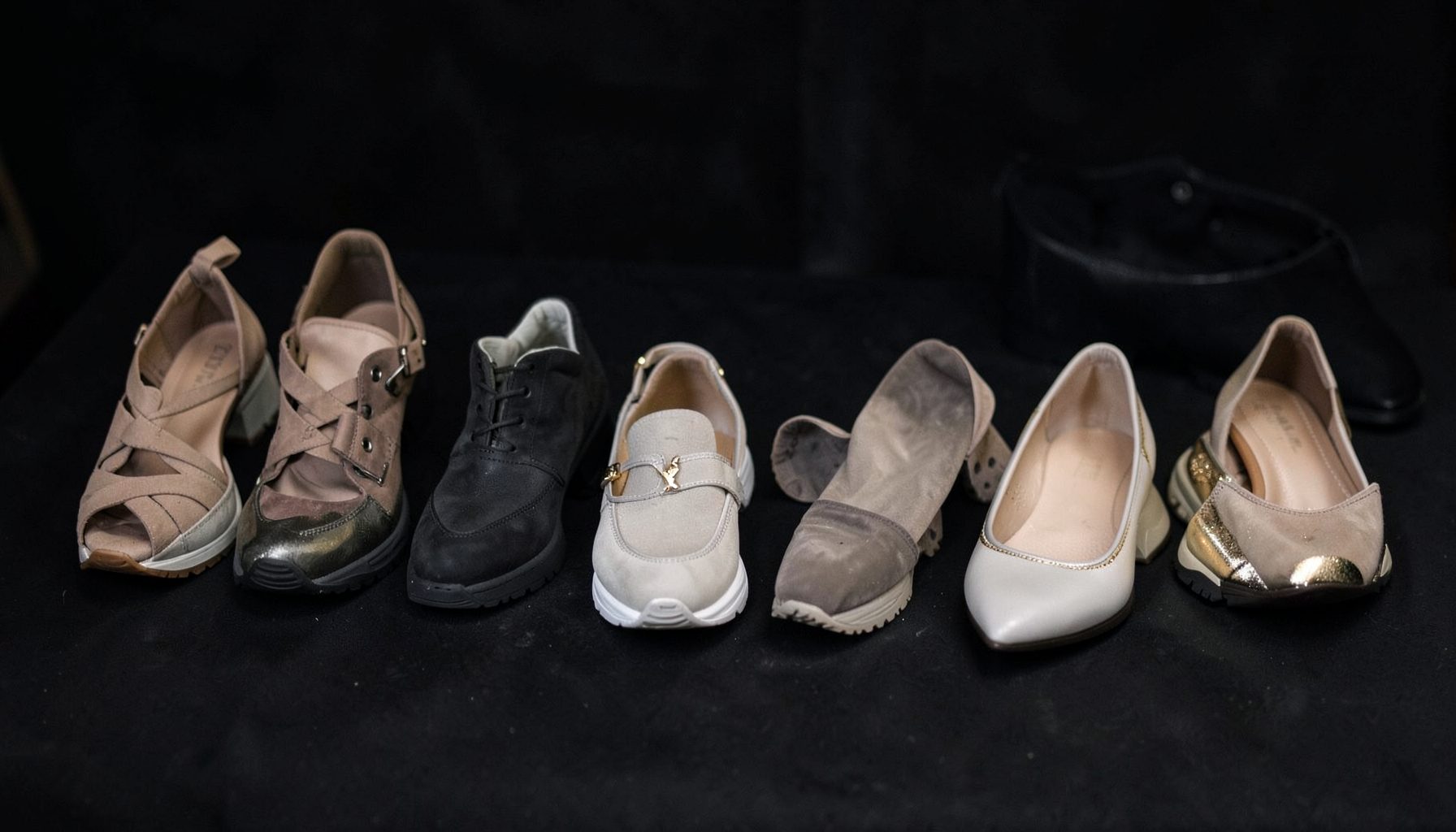
If you are updating your wardrobe, browse affordable fashion pieces that can work as accents or complete outfit foundations. A colorful dress, bright accessory, or lively pair of shoes can add variety without requiring a complete style overhaul.
Use neutrals to create visual balance
Neutral colors are valuable because they soften the intensity of saturated hues. White and cream make brights feel fresh, while grey, navy, camel, and chocolate brown create a more subdued finish. Black offers the strongest contrast, so use it when you want the vivid shade to look especially sharp.
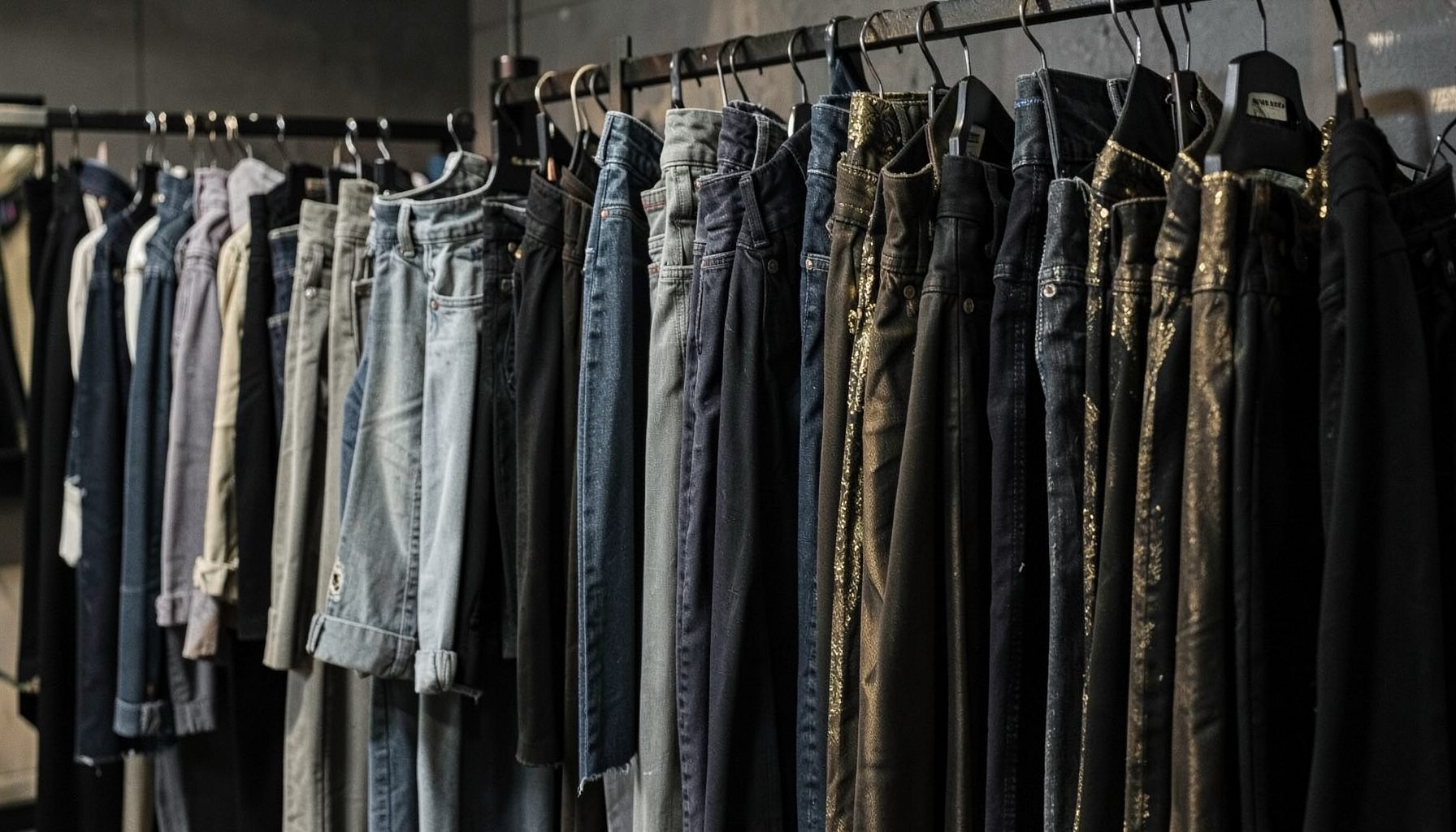
Denim is another reliable balancing element. A bright blouse under a denim jacket feels relaxed, and colorful trousers can look more wearable with a simple denim shirt. Neutral accessories, such as a tan bag or white trainers, can also reduce the sense of visual clutter.
Balance matters across the whole silhouette. If your top is bright and oversized, consider streamlined trousers or a simple skirt. If your trousers are vivid, a softly structured neutral top can keep the proportions calm.
Choose a color combination that feels deliberate
Bright shades do not have to be worn alone. Two strong colors can look sophisticated when they share a similar intensity or belong to a considered color family. Pink and red create a confident tonal combination, while orange and cobalt offer a striking complementary contrast.
For a softer effect, pair a saturated shade with a pastel version of another color. A bright green blouse with pale blue denim or a vivid purple cardigan with blush accessories feels expressive without appearing harsh.
The three-color rule can help when you are experimenting: choose one main bright, one supporting neutral, and one small accent. The accent might appear in earrings, shoes, a belt, or a handbag. Repeating one shade in two small details can make the entire outfit feel coordinated.
| Bright piece | Grounding partner | Small finishing detail |
|---|---|---|
| Cobalt blouse | White trousers | Silver earrings |
| Fuchsia skirt | Grey knit | Matching pink bag |
| Lime jacket | Dark denim | White trainers |
| Orange dress | Tan sandals | Gold jewelry |
| Red boots | Black jeans | Red lipstick |
Introduce color through accessories
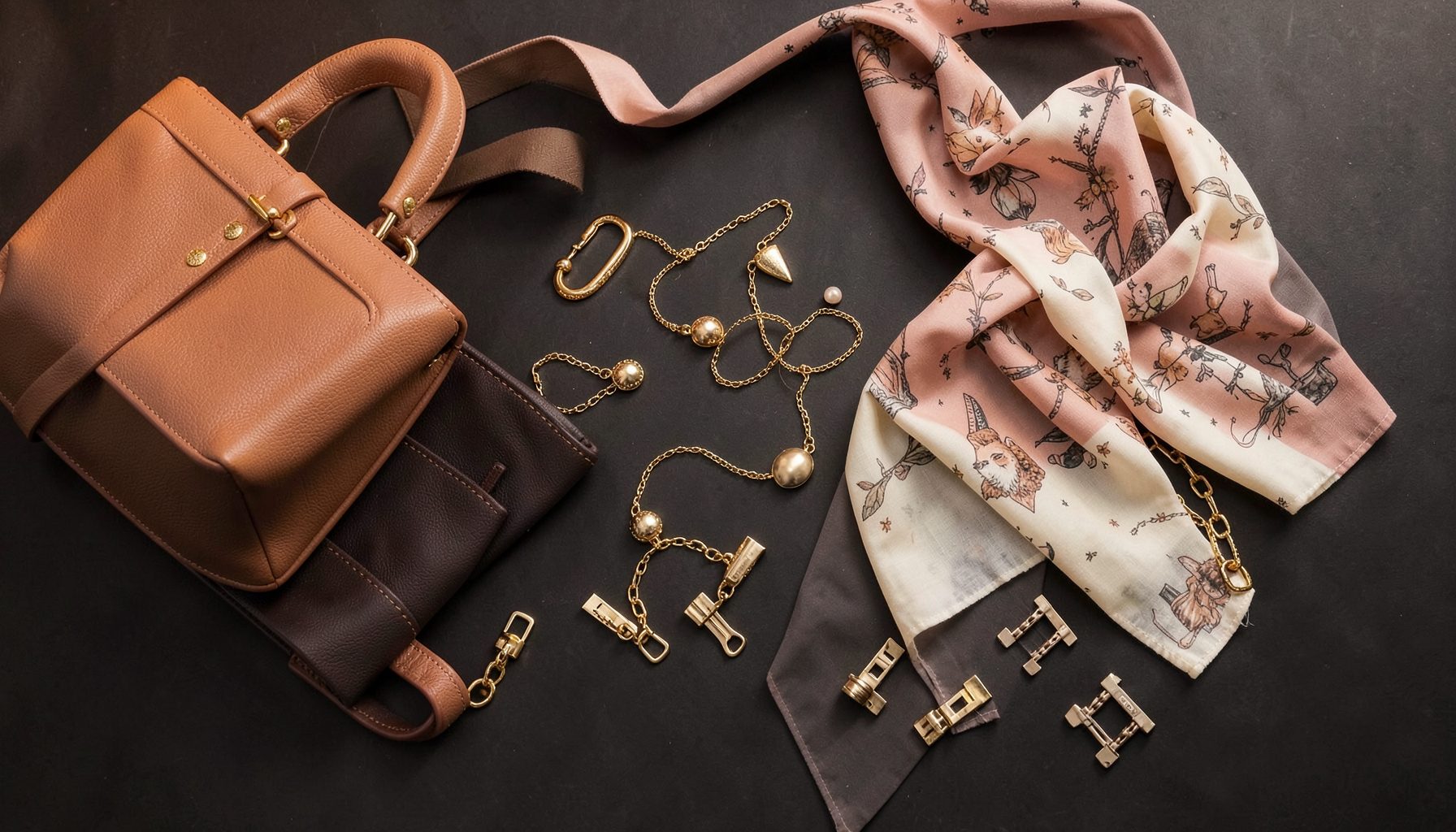
Accessories are an excellent starting point if a bright dress or colorful suit feels too dramatic. A vivid bag can energize a neutral outfit, while bright shoes can add personality to jeans and a simple top. Scarves, belts, jewelry, and hair accessories offer the same effect on a smaller scale.
Try matching the accessory to one detail already in your outfit. A green bag can echo a patterned blouse, or red shoes can bring out a small red mark in a printed dress. This creates connection without making every piece the same color.
Bright accessories also make seasonal dressing more flexible. A colorful crossbody bag can refresh a dark winter wardrobe, while vivid sandals can bring life to neutral summer separates. This lets you test new shades before investing in larger statement pieces.
Let prints do some of the work
A print can make bright colors feel easier because the shades are already arranged for you. Floral, geometric, striped, and abstract patterns often combine several hues in a balanced way. Choose one color from the print for your accessories and keep the remaining pieces understated.
For a quieter result, look for prints with a neutral background. A black-and-white pattern with bright blue details will feel more controlled than a design filled with several equally intense colors. Smaller prints generally appear more subtle, while large-scale patterns create stronger impact.
When wearing a bold print, avoid adding too many unrelated accessories. Simple shoes, clean lines, and restrained jewelry allow the pattern to remain the focal point. If the print is on a dress, a neutral jacket can help make it suitable for everyday wear.
Adjust brightness for the setting
The same color can feel entirely different depending on its fabric, cut, and styling. A neon crop top may feel casual and sporty, while a jewel-toned satin blouse can look appropriate for an evening event. Consider the occasion before deciding how much intensity to include.
For workwear, try vivid color in tailored pieces such as a blouse, cardigan, or structured bag. Pair it with navy, grey, cream, or charcoal for a professional finish. For weekends, bright activewear, denim, and relaxed jumpsuits can create a more playful appearance.
At an occasion, a single saturated dress can make a strong impression without additional drama. Keep the footwear and jewelry refined, and choose a silhouette that feels comfortable enough to carry confidently throughout the event.
Build confidence through gradual styling
If bright clothing feels unfamiliar, begin with shades that suit your existing wardrobe. Someone who often wears navy may find cobalt or emerald easier than neon yellow. Those who prefer warm neutrals might enjoy terracotta, coral, or orange-red before moving toward sharper fluorescent tones.
Use these practical styling habits:
- Pair one vivid garment with two quiet, dependable neutrals.
- Repeat a bright shade in a small accessory for a coordinated finish.
- Combine strong colors with simple shapes and clean lines.
- Check the outfit in natural light before adding more accessories.
- Wear a familiar pair of shoes while testing a new color combination.
Comfort is part of visual confidence. Clothing that fits well and allows easy movement will always appear more polished than a dramatic outfit that feels awkward. Give yourself time to get used to brighter shades, and treat each outfit as an opportunity to refine your personal style.
A colorful wardrobe does not need to be loud from head to toe. One carefully chosen shade, balanced with flattering proportions and familiar neutrals, can transform an everyday look. Explore dresses, denim, shoes, bags, and accessories that bring a little more energy to your wardrobe, then choose a bright piece that feels natural to wear today.