How to Style a Belt for a Flattering Silhouette
A well-chosen belt can change the proportions of an outfit in seconds. It defines the waist, adds structure to relaxed pieces, and creates a polished finish without requiring a complete wardrobe change. From a slim leather strap to a statement waist belt, this simple accessory can make everyday clothing feel more considered.
The most flattering choice depends on the outfit, your preferred fit, and the effect you want to create. A belt can highlight your natural waist, add shape to an oversized layer, or bring balance to a flowing dress. With the right placement and colour, it also helps connect shoes, bags, and jewellery into one cohesive look.
Start With Your Natural Proportions
The most comfortable starting point is your natural waist, usually the narrowest area of the torso. Wearing a belt here can create definition while allowing a blouse, dress, or cardigan to drape naturally above and below it. This placement works especially well with wrap dresses, shirt dresses, and high-waisted trousers.
If you prefer a longer-looking torso, try positioning the belt slightly lower, around the upper hips. This creates a relaxed line and works well with jumpsuits or longer tops. For a lengthening effect, choose a belt in a similar shade to your outfit rather than using a strong contrast.
An empire-style position, just beneath the bust, can suit flowing dresses and soft fabrics. It draws attention upward and gives a loose maxi dress a more structured shape. Keep the belt comfortable and avoid tightening it so much that the fabric pulls or bunches.
Match The Belt To The Garment
The fabric and shape of your clothing should guide your belt choice. A narrow belt complements lightweight blouses, satin dresses, and fine-knit cardigans because it defines the waist without overwhelming delicate material. It is also a practical option for office outfits built around tailored trousers or a fitted skirt.
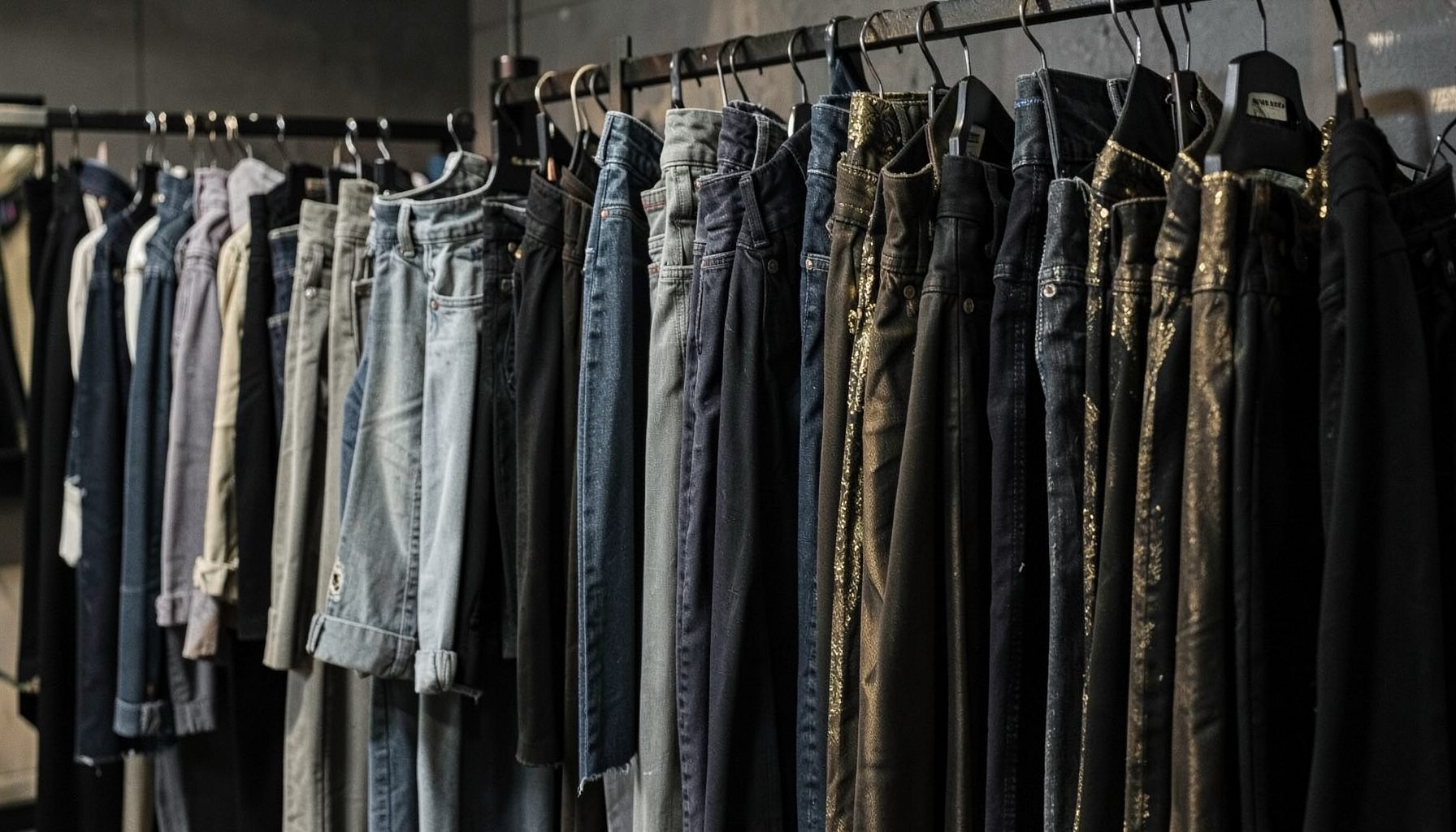
Wider belts bring structure to heavier fabrics such as denim, wool, corduroy, and chunky knitwear. Wear one over an oversized blazer, a longline cardigan, or a loose shirt dress when the outfit needs a clearer shape. A firm waistband can also balance wide-leg jeans or relaxed utility trousers.
A woven or softly textured belt gives casual clothing an easy, relaxed finish. Try it with denim, linen, loungewear-inspired separates, or a lightweight jumpsuit. For eveningwear, a smooth belt with a polished buckle can add definition while keeping the overall outfit elegant.
Use Colour And Texture With Intention
A tonal belt creates a streamlined effect. A black belt over a dark dress or trousers can make the outfit look longer, while a tan belt with cream, beige, or denim creates a soft contrast. Matching the belt to your shoes or handbag is a classic approach, although the shades do not need to be identical.
A contrasting belt becomes a focal point. A red, metallic, or animal-print design can bring energy to a neutral outfit, especially when the rest of the styling remains simple. If the belt is bold, keep other accessories refined so the look retains balance.
Texture also affects the impression of your silhouette. Smooth leather looks polished and structured, while suede feels softer and more relaxed. A glossy buckle adds a dressier note; brushed metal, fabric, or braided details suit casual wardrobe staples.
Choose The Right Belt Width
Belt width can change the visual balance of an outfit. Slim styles are subtle and versatile, making them useful for dresses, skirts, and tailored separates. Medium-width belts offer definition without dominating the look and are often the easiest option for everyday styling.
Wide waist belts create a stronger statement and can transform a simple dress or oversized shirt. They are most effective when the rest of the outfit has clean lines. Avoid placing a very wide belt over bulky layers if it causes uncomfortable bunching around the waist.
| Outfit or garment | Belt choice | Best placement | Styling effect |
|---|---|---|---|
| Wrap or shirt dress | Slim or medium belt | Natural waist | Defines the shape while keeping the dress fluid |
| Oversized blazer | Medium or wide belt | Over the waist | Adds structure and creates a tailored finish |
| High-rise jeans | Slim leather belt | Through the belt loops | Emphasises the waist and sharpens casual denim |
| Flowing maxi dress | Soft or woven belt | Beneath the bust or natural waist | Gives movement a clearer proportion |
| Jumpsuit | Medium belt | At the waist | Breaks up one-piece dressing and adds definition |
| Long cardigan | Stretch or soft belt | Around the natural waist | Prevents the layer from looking shapeless |
Style Belts With Everyday Wardrobe Pieces
A belt can make familiar clothing feel new. Add a slim design to straight-leg denim, a tucked-in shirt, and ankle boots for a clean daily outfit. For a softer look, wear a woven belt with wide-leg trousers, a relaxed blouse, and a shoulder bag.
Jumpsuits benefit from a belt because the accessory breaks up a single block of fabric. A contrasting style can highlight the waist, while a tonal option creates a longer, uninterrupted line. Pair the look with boots for a confident daytime outfit or heeled shoes for an occasion-ready finish.
For loungewear-inspired clothing, choose a flexible belt rather than a rigid formal style. A soft cardigan, knit dress, or relaxed trouser can look polished with gentle waist definition. The goal is to add shape while preserving the ease of the outfit.
Build A Balanced Accessory Combination
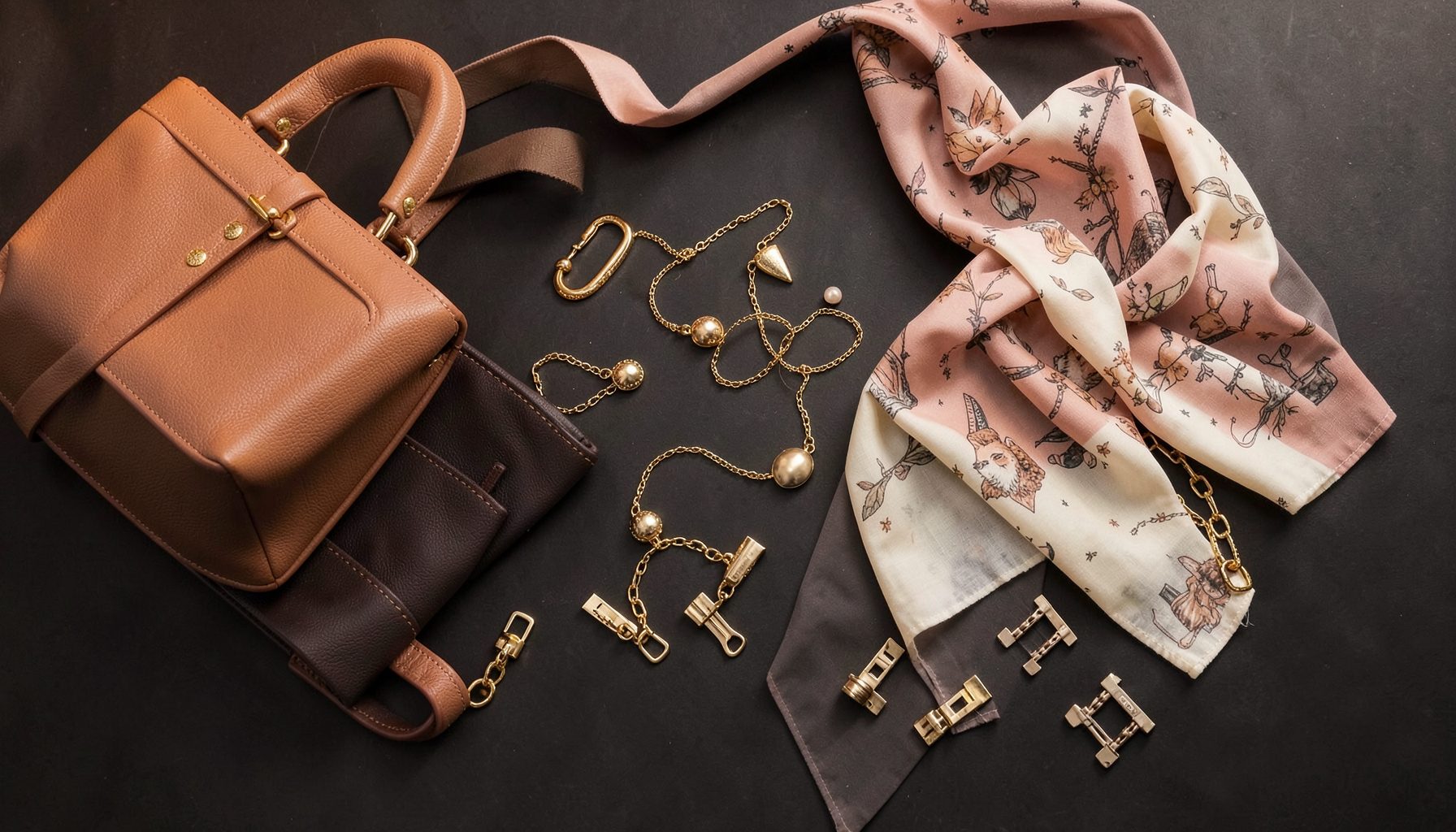
Once the belt is chosen, repeat one detail elsewhere in the outfit. A gold buckle can work with gold jewellery, while a tan belt can coordinate with a leather bag or boots. This small connection makes the styling appear intentional without making every accessory match exactly.
Pay attention to visual weight. A dramatic buckle may need a simpler necklace, whereas a narrow belt can sit comfortably alongside statement earrings or layered bracelets. If the outfit includes patterned fabric, select a belt colour already present in the print for a balanced result.
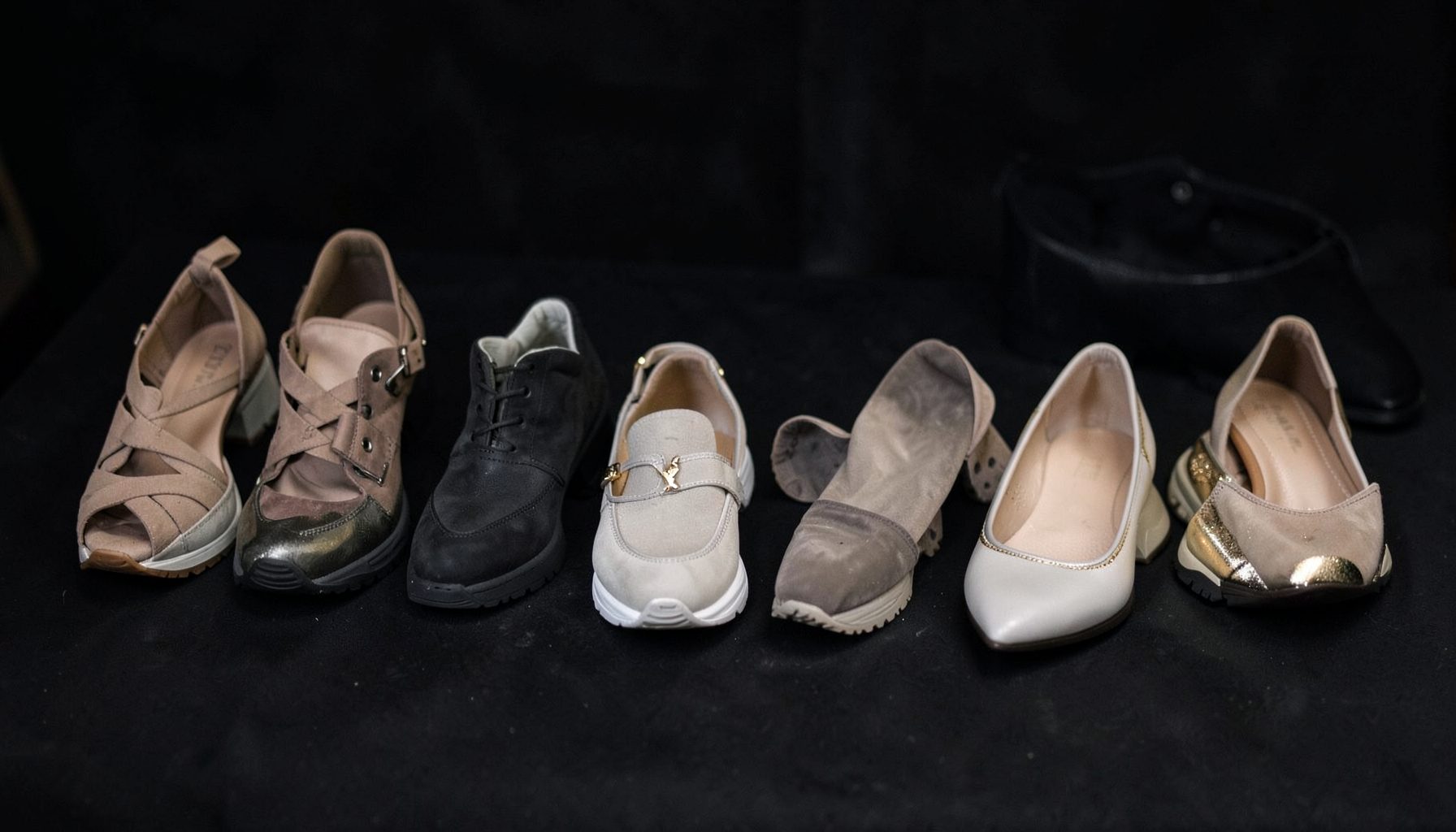
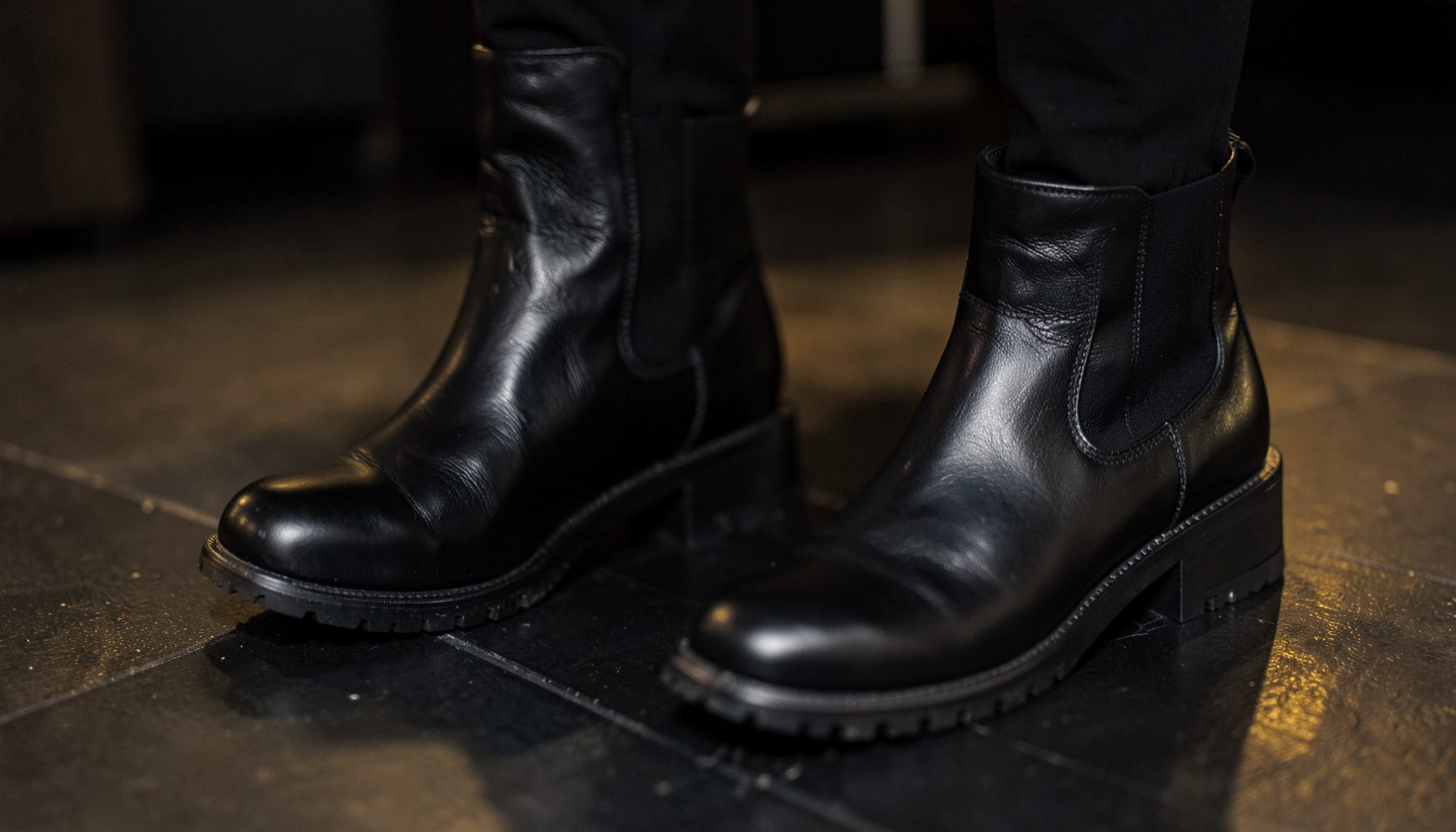
Shoes also influence the final silhouette. Boots with a visible heel can lengthen the leg line beneath a belted dress, while sleek trainers keep the outfit casual. Sudeshna Das offers shoes, bags, jewellery, denim, dresses, and other essentials that make it easier to coordinate a complete look in one shopping trip.
A Simple Styling Checklist
- Place the belt where it feels comfortable and creates natural definition.
- Match the belt width to the weight of the garment.
- Use tonal colours for a longer, streamlined appearance.
- Choose contrast when you want the accessory to become the focal point.
- Coordinate the buckle or belt colour with one other accessory.
Before wearing a belt over clothing, check that the fabric lies smoothly and that the fastening does not create unwanted folds. Sitting, walking, and layering can all change the fit, so comfort matters as much as appearance. A belt should support the outfit rather than restrict movement.
Explore affordable dresses, jumpsuits, denim, shoes, bags, and accessories at Sudeshna Das to create flattering outfits for everyday wear and special occasions. Sale prices, free shipping on orders over £60, secure SSL transactions, and a 20–30 day return guarantee make online styling simple from first selection to final fit.