How to dress for a job interview in a corporate setting
The right interview outfit should communicate competence before you say a word. In a corporate setting, polished clothing, neat grooming, and practical details help create an impression of reliability and good judgment.
Your clothes do not need to be expensive or highly fashionable. They should fit well, feel comfortable when you sit and move, and suit the company’s professional culture. A carefully planned outfit also allows you to focus on the conversation rather than adjusting a hem, slipping in uncomfortable shoes, or worrying about an overly bold print.
Affordable wardrobe staples can work especially well for interview dressing. A tailored dress, smart trousers, a refined blouse, or a structured jacket can become part of several work-ready combinations long after the interview ends.
Read the workplace before choosing clothes
Corporate offices usually call for a more formal approach than creative studios, retail teams, or relaxed start-ups. Look at the company website, social media pages, and employee photographs for clues about its everyday dress code. If the environment appears formal, choose traditional business attire rather than relying on casual interpretations.
When the company culture is unclear, dress slightly more formally than you expect employees to dress. A tailored blazer over a simple dress or blouse and trousers is a dependable choice. Avoid clothing that appears designed for the gym or weekend, including casual tracksuits, even if the pieces are clean and well made.
The role itself also matters. Client-facing, finance, legal, and executive positions generally suit conservative clothing. A technology or marketing role may allow more color or contemporary styling, but the outfit should still look intentional and professional.
Start with a reliable silhouette
A good silhouette creates visual order. Choose garments that skim the body without being tight, excessively oversized, or difficult to move in. Straight-leg or softly tailored trousers, a knee-length or midi dress, and a structured jacket are useful foundations for a corporate interview outfit.
Pay close attention to proportion. If the trousers are wide-leg, pair them with a more defined top or jacket. If the blouse has volume, balance it with a streamlined skirt or tailored trousers. The goal is a clean shape that looks composed from every angle, including when you are seated across a desk.
Fit is more important than the label. Shoulder seams should sit close to the shoulders, trouser hems should not drag, and a buttoned blouse should lie smoothly without pulling. A modest amount of ease makes the outfit more comfortable while preserving a professional appearance.
Use color and fabric strategically
Navy, charcoal, black, cream, white, taupe, and muted blue are dependable interview colors. They create a calm base and make it easier to coordinate separates. A restrained accent, such as a burgundy bag or soft green blouse, can add personality without overwhelming the outfit.
Patterns can work when they are subtle and well scaled. Fine stripes, small checks, or a quiet geometric print usually look more polished than large graphics or very high-contrast designs. Keep the overall color palette to two or three main shades so the outfit feels deliberate.
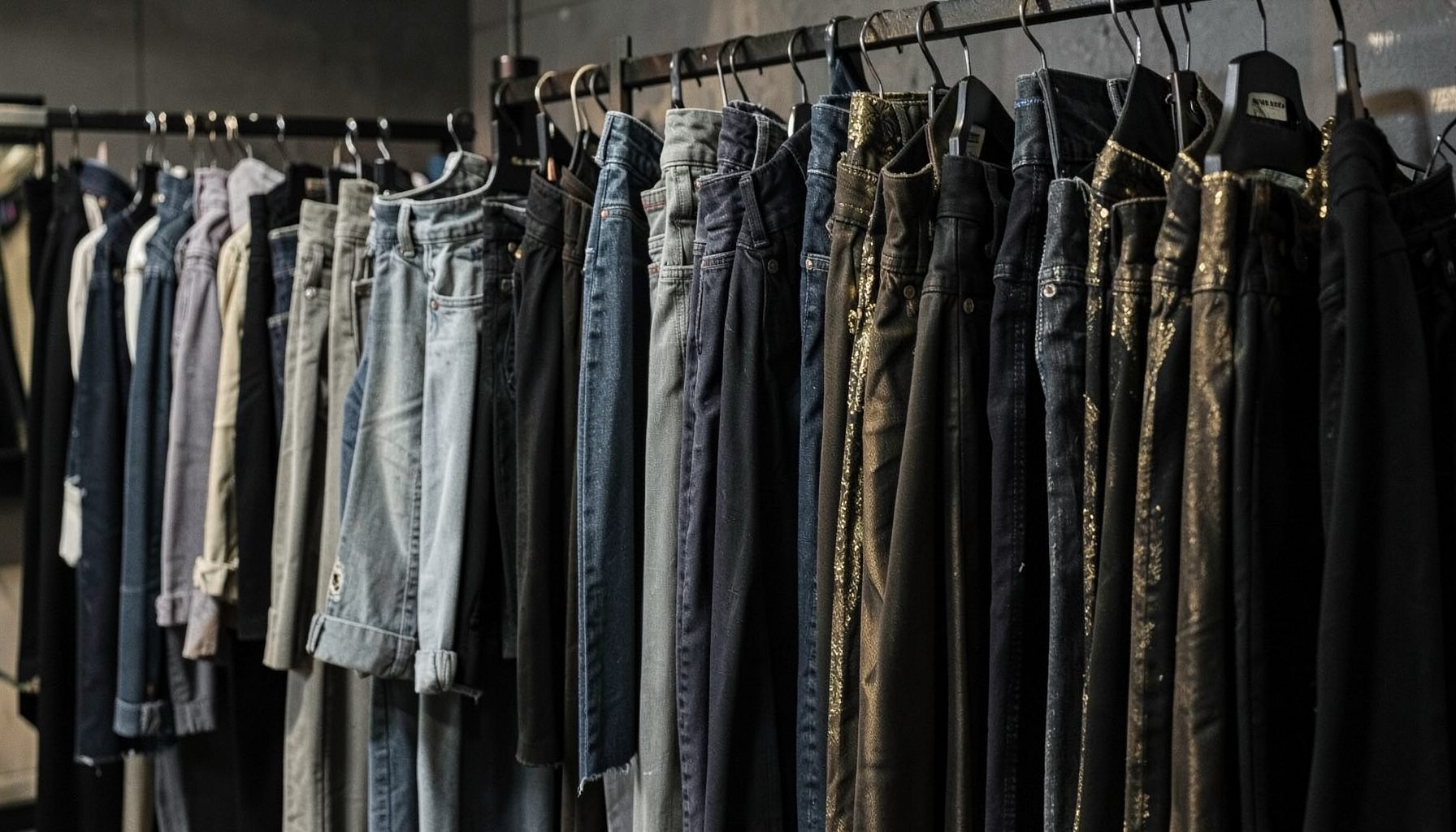
Fabric also affects how clothing is perceived. Choose materials that hold their shape and resist creasing, especially if you have a commute. Lightweight tailoring, smooth knitwear, and opaque woven fabrics are practical options. Sheer panels, distressed denim, shiny party fabrics, and very thin jersey are usually better reserved for other occasions.
Match the outfit to the role
Different combinations can create distinct impressions while remaining suitable for a corporate environment. Use the table below as a starting point, then adjust the formality to match the employer and position.
| Outfit formula | Best impression | Useful details |
|---|---|---|
| Blazer, blouse, and tailored trousers | Prepared and versatile | Choose a clean neckline and pressed trousers |
| Structured midi dress and low heels | Polished and confident | Add a simple jacket if the office is formal |
| Fine-knit top, tailored skirt, and loafers | Approachable and composed | Keep the knit opaque and free from pilling |
| Matching suit with a plain blouse | Authoritative and traditional | Use minimal jewelry and a neat bag |
| Smart trousers, shell top, and cardigan | Practical and modern | Select firm, refined fabrics rather than lounge materials |
For a conservative interview, a matching suit or a dark blazer with tailored separates is usually the safest route. A dress can be equally professional when it has a modest neckline, an appropriate hemline, and enough structure to avoid looking like casual daywear.
Your outfit should support your communication style rather than compete with it. Avoid excessive ruffles, oversized logos, very low necklines, or accessories that make noise when you move. A restrained appearance gives attention to your experience, preparation, and answers.
Finish with shoes and accessories
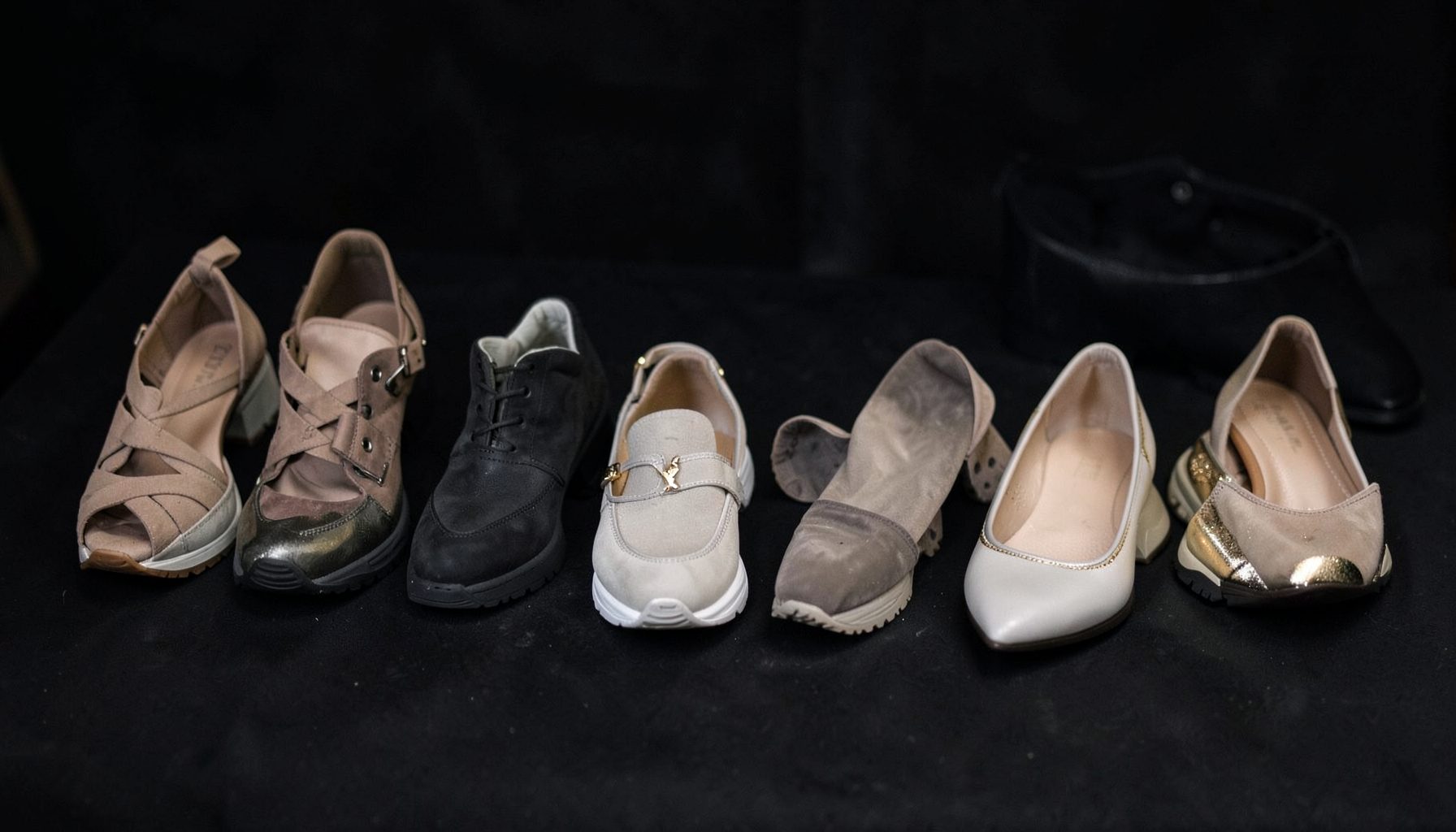
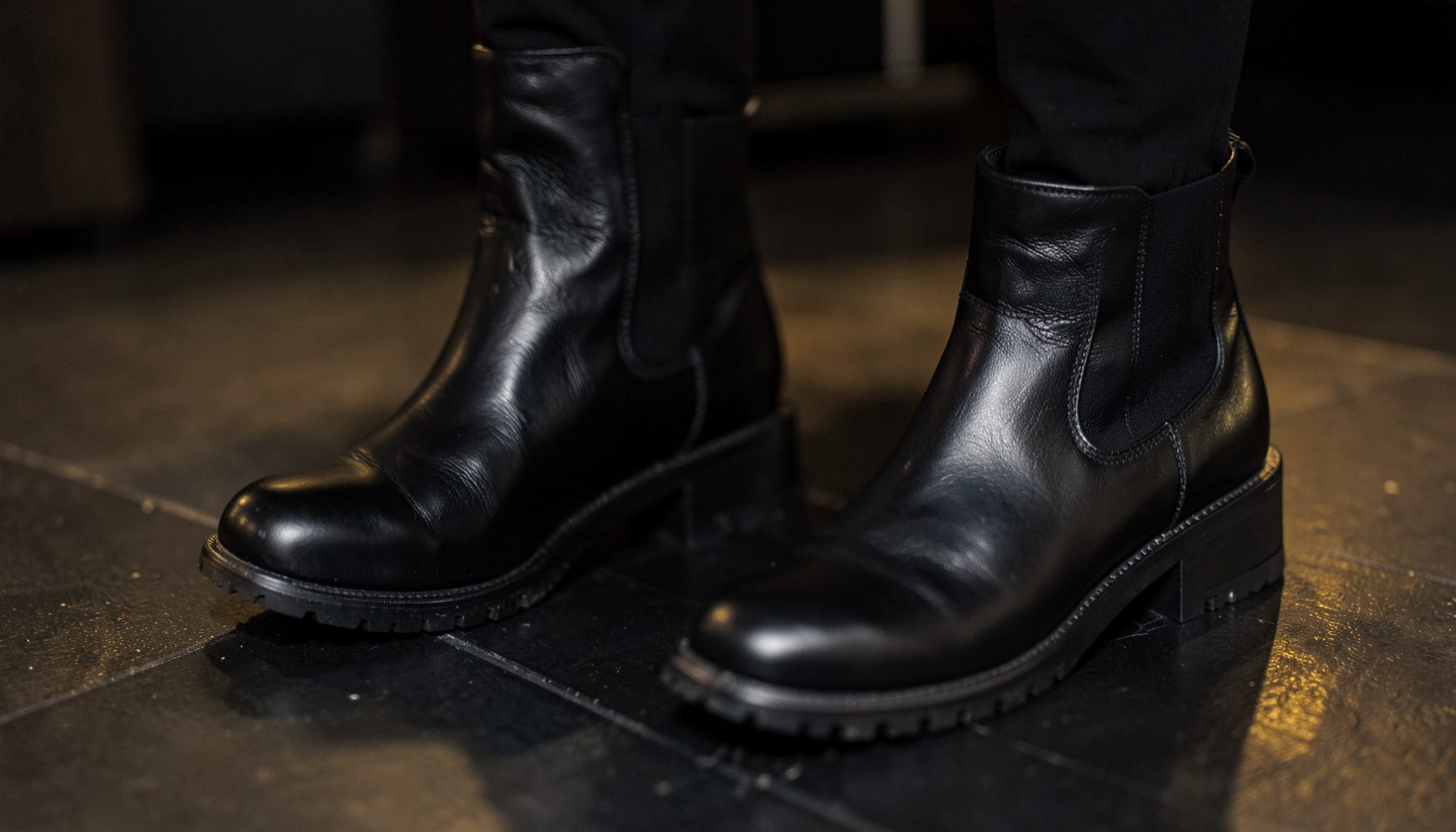
Shoes should be clean, comfortable, and appropriate for walking into the building. Closed-toe pumps, loafers, ankle boots, or low block heels can all suit a corporate interview. If you choose boots, select a streamlined pair in leather or a polished leather-look finish rather than a heavily embellished or distressed style.
Do a trial run before the interview. Walk in the shoes, sit down, climb stairs, and check whether the hem stays in place. New shoes that cause discomfort can affect your posture and confidence, while scuffed toes or worn heels can make an otherwise polished outfit appear neglected.
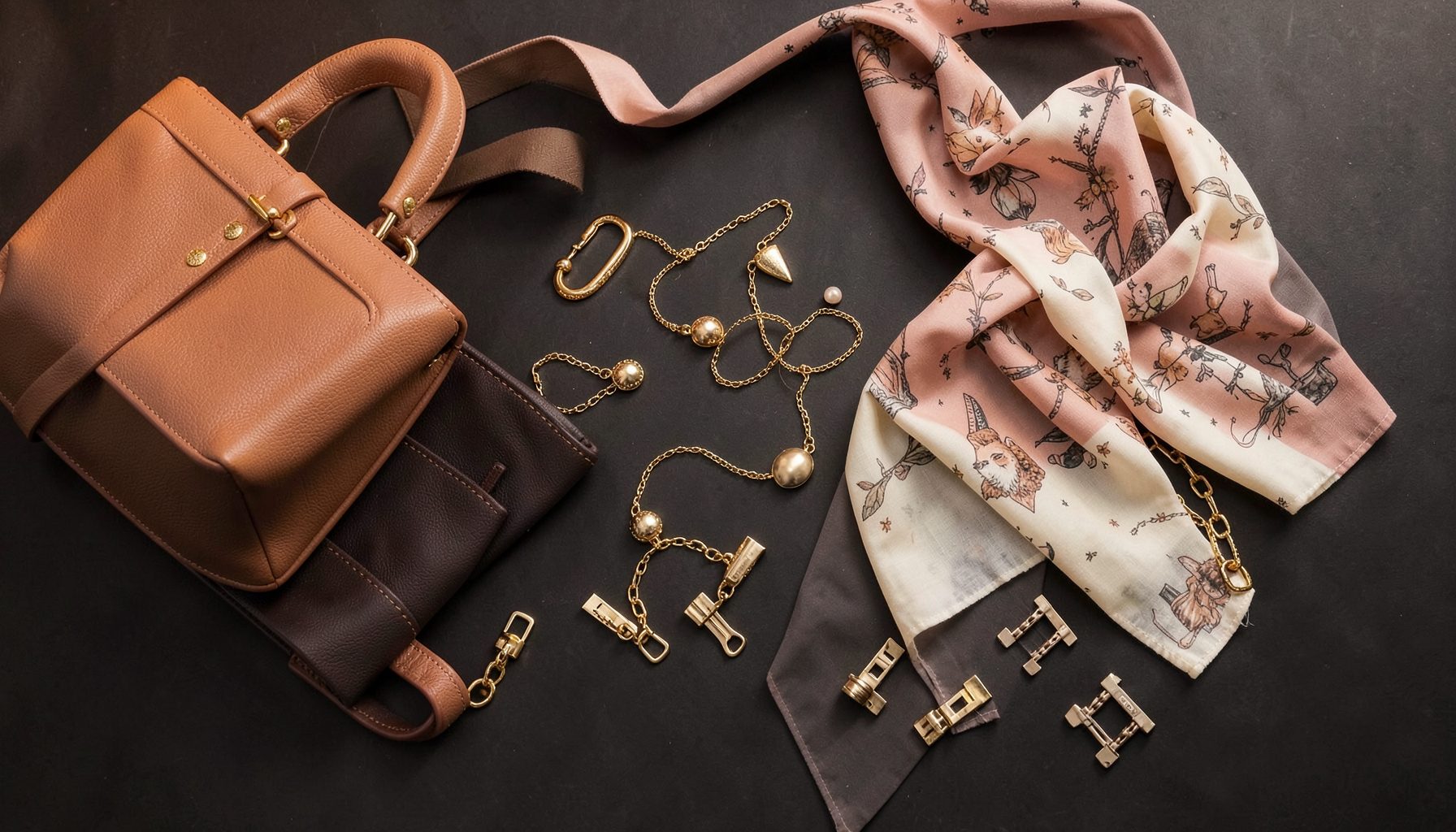
Keep accessories simple and functional. Small earrings, a watch, a delicate necklace, or one understated ring can complete the look. A structured handbag or work tote should hold essentials without appearing overfilled. Sunglasses, headphones, and personal items should be stored away before you enter the interview room.
Make the final outfit check
Small preparations often make the greatest difference on the day. Steam or press every garment, remove lint, check buttons, and inspect hems under bright light. Bring a spare pair of tights or stockings if you are wearing them, and keep a compact stain-removal item in your bag.
Use this checklist before leaving:
- Confirm that the outfit fits comfortably when sitting and standing.
- Check that shoes are clean, secure, and suitable for the commute.
- Keep jewelry, fragrance, and makeup understated.
- Carry a structured bag with copies of your résumé and essential items.
- Test the full outfit in natural light, including the coat you will wear outside.
Grooming should look neat rather than overworked. Clean, tidy hair, fresh breath, moisturized hands, and well-maintained nails complete a professional presentation. If you wear makeup, aim for a comfortable, polished finish that will remain fresh throughout the appointment.
A successful interview outfit is a balance of confidence, comfort, and context. Select dependable pieces, keep the styling refined, and make sure every detail supports the professional image you want to present. Browse Sudeshna Das for affordable dresses, trousers, blouses, shoes, bags, and accessories that can help you assemble a composed corporate wardrobe, with sale styles and free shipping available on orders over £60.