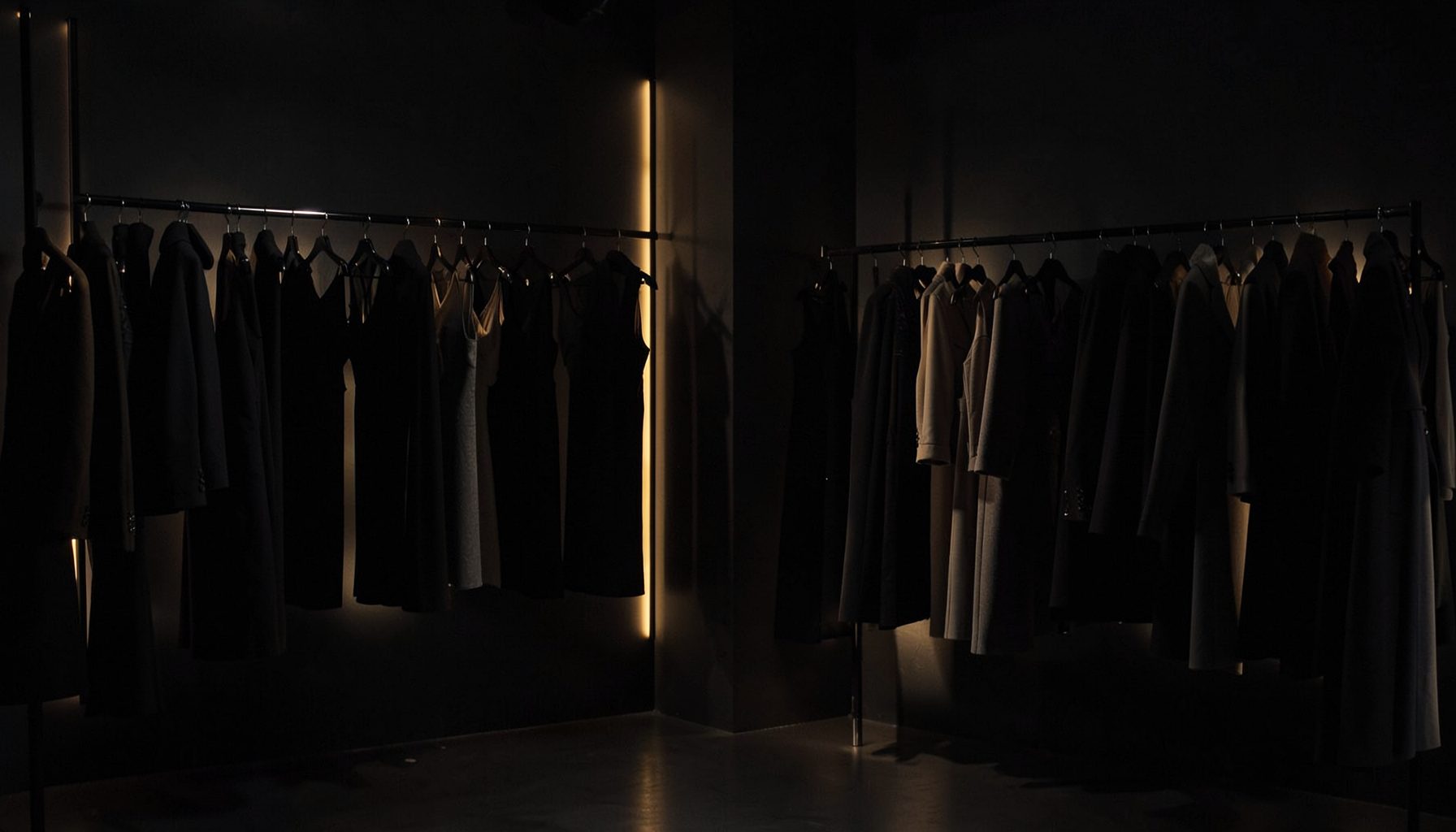
How To Create A Monochrome Outfit From Head To Toe
A monochrome outfit uses one colour family across your clothing, footwear, bag and finishing touches. The result can be minimal and polished, relaxed and tonal, or dramatic enough for an evening out. The key is not wearing identical shades from top to bottom, but creating visual interest through texture, proportion and carefully chosen accents.
This approach works especially well for Australian wardrobes, where the same outfit may need to move from a coffee run in Melbourne to an office, dinner or weekend event. A tonal palette also makes it easier to build a versatile capsule wardrobe around pieces you already own, from denim and knitwear to boots, dresses and everyday accessories.
Sudeshna Das offers affordable fashion for assembling a complete look online, including dresses, jumpsuits, loungewear, activewear, shoes, bags and jewellery. With sale prices, secure SSL transactions, free shipping on orders over £60 and a 20–30 day return guarantee, it can be a practical place to coordinate separates without making every piece look overly matched.
Choose A Colour Family That Suits Your Wardrobe
Start with a colour that you already wear confidently. Black, white, cream, beige, navy and grey are easy foundations because they pair with existing basics. Richer choices such as chocolate brown, burgundy, olive, cobalt or soft blue can make a tonal outfit feel more distinctive while remaining wearable.
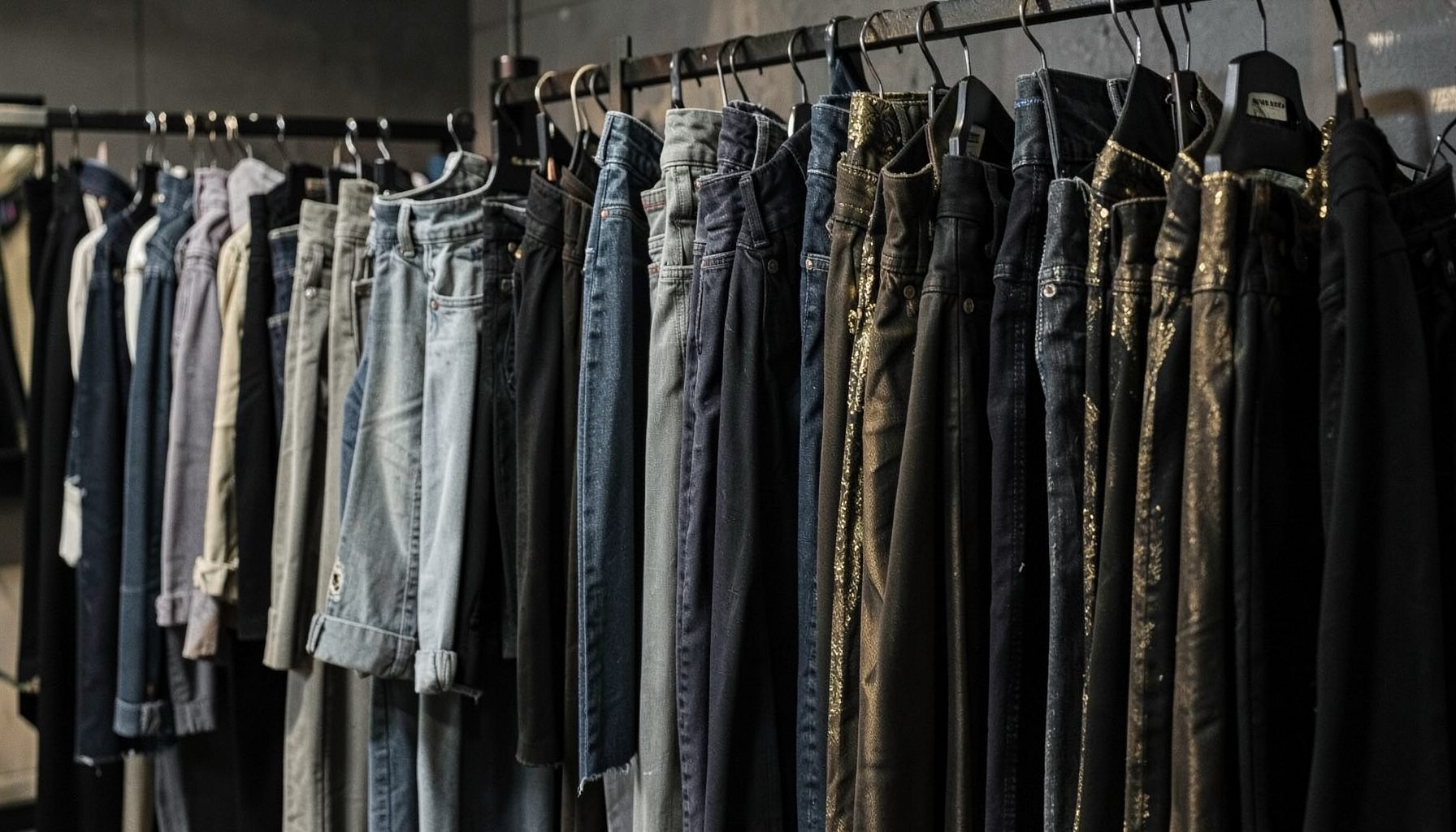
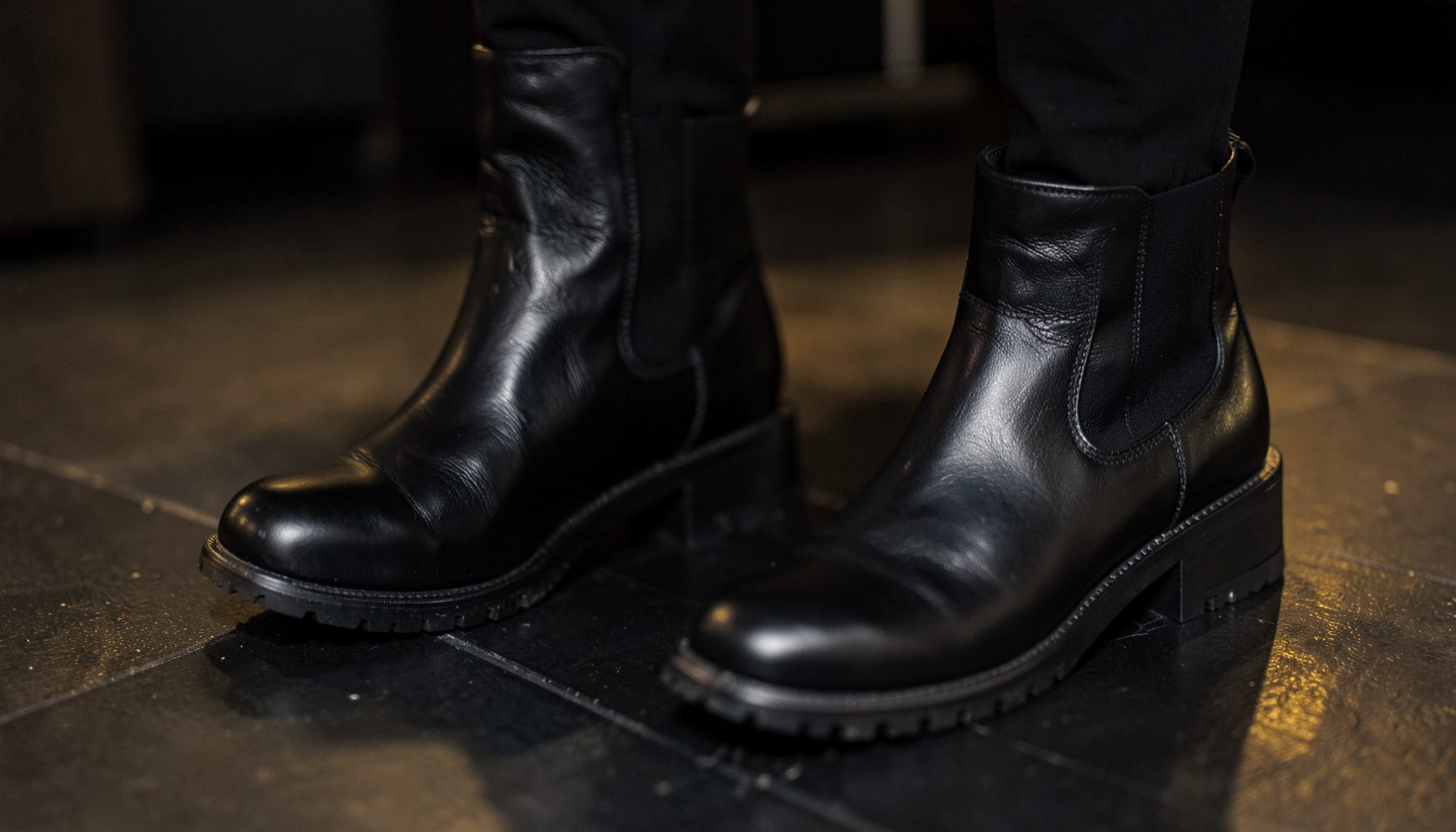
A head-to-toe black look is reliable for city dressing, but it does not have to appear severe. Try faded black denim with a crisp black shirt, a structured bag and ankle boots. For a softer effect, combine cream trousers, an ivory knit and beige footwear. The difference between each shade gives the outfit depth while keeping the overall appearance cohesive.
Consider the Australian setting before choosing heavy fabrics or dark layers. Lightweight cotton, linen blends and breathable jersey are useful during a Brisbane summer, while a Melbourne winter may call for wool-look coats, knitwear and boots. In Sydney’s humid coastal weather, a loose jumpsuit or relaxed dress in one colour can look refined without adding unnecessary layers.
Create Contrast With Texture And Proportion
The easiest way to stop tonal dressing from looking flat is to mix textures. Smooth satin against ribbed knitwear, denim with cotton, faux leather with soft jersey, or a chunky knit with tailored trousers creates subtle contrast. These changes are particularly effective when the colour is almost identical across every garment.
Proportion matters just as much. Pair wide-leg trousers with a fitted top, an oversized shirt with streamlined denim, or a long dress with a compact shoulder bag. If every item is loose, the outfit can lose its shape; if every item is close-fitting, it may feel less comfortable for everyday wear. A balanced silhouette keeps the colour story intentional.
For Australian lifestyles, versatility is valuable. A monochrome activewear set can work for a morning walk, errands and travel when paired with a lightweight overshirt and clean sneakers. A tonal jumpsuit can be dressed up with heeled boots and jewellery, then worn casually with flat sandals when temperatures rise.
Layer Clothing From The Base Up
Build the outfit in stages, beginning with the foundation piece. This may be a slip dress, fitted tank, bodysuit, T-shirt, shirt or fine knit. Add a second layer that changes the structure, such as a blazer, denim jacket, cardigan, trench coat or relaxed overshirt.
Keep the strongest line of the outfit visible. A long coat over a short dress creates a different impression from a cropped jacket over high-waisted trousers. If you are wearing a one-piece garment, use the outer layer and footwear to define the shape rather than adding too many competing details.
A tonal outfit does not require every item to be from the same collection. Combine pieces from different seasons and categories, such as a neutral dress with a matching bag and boots, or denim with a denim-toned shirt and blue accessories. Shopping by colour family rather than by individual item can make online outfit building more efficient.
Finish The Look With Accessories
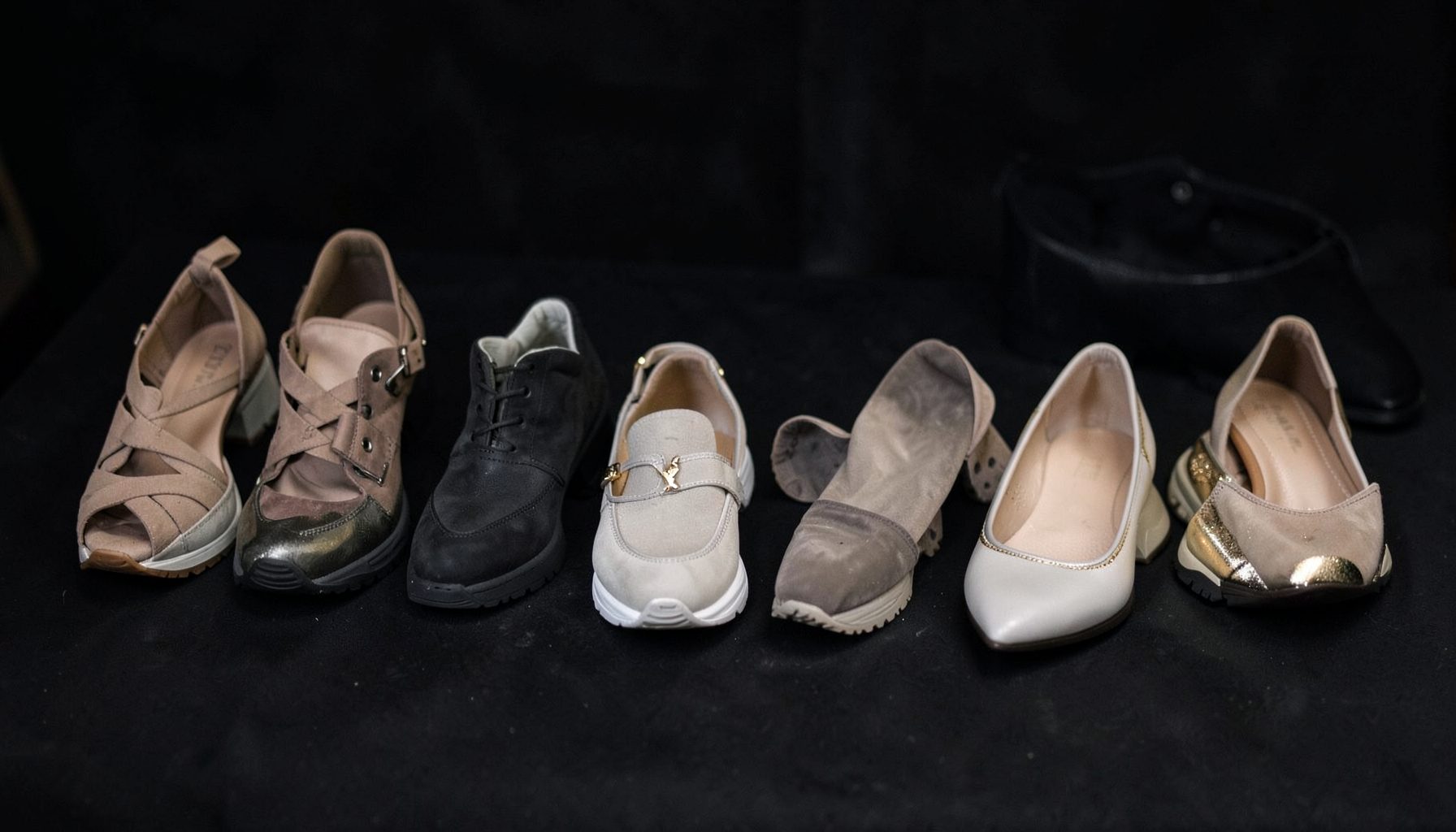
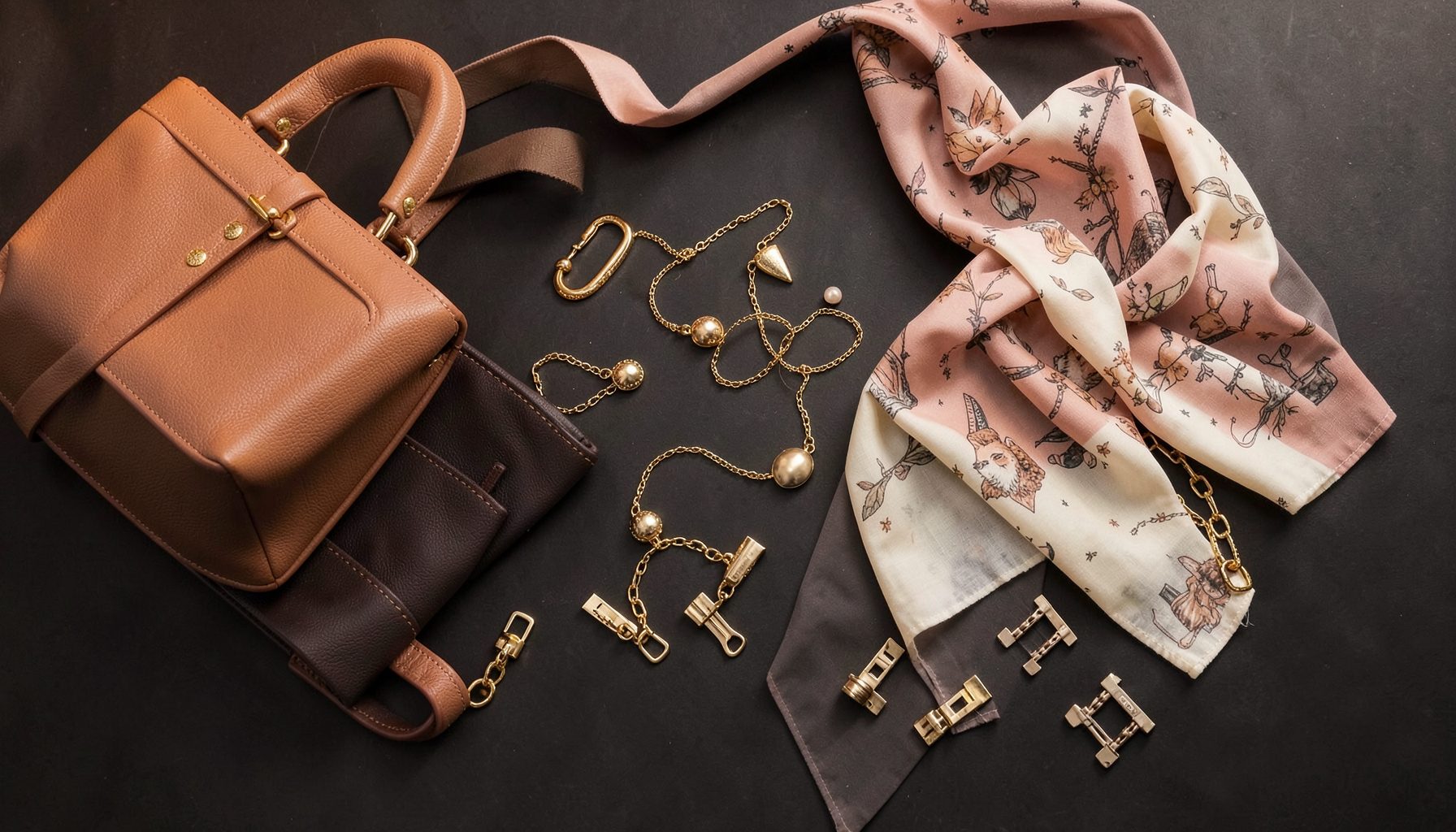
Accessories are where a monochrome outfit can become personal. A bag in a slightly lighter or darker shade helps connect the clothing without creating a distracting break. Shoes can match the main colour for a lengthened effect, or introduce a nearby tone for gentle contrast.
Jewellery should support the mood of the outfit. Gold details suit warm shades such as tan, cream, rust and chocolate, while silver can sharpen grey, white, navy and black. Sunglasses, belts, scarves and hair accessories can repeat the colour in small amounts, giving the entire look a considered finish.
For commuting in Sydney or walking between Melbourne’s laneways, practical footwear is essential. Choose boots, loafers, trainers or low heels that suit the distance you expect to cover. In Australia’s strong UV conditions, a tonal outfit can also include a broad-brimmed hat or sunglasses, adding function without disrupting the palette.
Use These Styling Checks Before You Buy
Before placing an order, lay out the pieces mentally or compare them on screen. Check whether the colours belong to the same family, whether the fabrics suit the season and whether each item can be worn with at least two other things you own. This reduces impulse purchases and helps create more complete outfits from a smaller wardrobe.
Pay attention to sizing information, garment measurements and fabric descriptions. Australian shoppers should also check delivery timeframes, currency, shipping conditions and the store’s return terms before buying. Under Australian Consumer Law, businesses must provide remedies when goods have a major problem or do not match their description, while change-of-mind returns depend on the retailer’s policy. A stated 20–30 day return window may have its own exclusions, so read the conditions carefully.
- Start with one anchor piece, such as a dress, jumpsuit, blazer or pair of trousers.
- Select two nearby shades instead of forcing every item to match exactly.
- Mix at least two textures to add depth to the outfit.
- Balance a relaxed garment with a sharper or more fitted piece.
- Match accessories by colour temperature, such as warm tan with gold accents.
- Check the outfit in natural light before deciding whether the tones work together.
- Choose shoes and layers that suit Australia’s climate, commute and occasion.
A successful tonal wardrobe should feel easy rather than restrictive. One chocolate-brown outfit might combine a knit top, tailored trousers, a suede-look bag and ankle boots, while a white summer look could use a linen-blend shirt, wide-leg pants, sandals and a woven accessory. The shared palette creates unity, while the fabric and shape changes keep the outfit expressive.
Browse Sudeshna Das to find clothing, footwear and accessories that can be combined into a polished single-colour look. Explore sale styles, build around a shade you love and use free shipping on orders over £60 to assemble a coordinated wardrobe for everyday Australian dressing and special occasions.