How to Choose the Right Coat for Your Body Type
A well-chosen coat can define an entire outfit. It frames the shoulders, shapes the waist and determines how balanced your silhouette looks, whether you are dressing for a weekday commute, a weekend walk or an evening occasion.
The best outerwear is not selected by size alone. Length, fabric weight, fastening position, lapel shape and hemline all affect how a coat sits on your body. Understanding these details makes it easier to find a flattering style that feels comfortable and suits your wardrobe.
There is no single “perfect” shape. The right choice depends on your proportions, personal style and the amount of room you need for knitwear or layers. From tailored wool-look coats to relaxed trenches, the aim is to create a confident fit without restricting movement.
Start with your natural proportions
Before browsing coat styles, consider where your body naturally carries visual weight. You may have balanced shoulders and hips, a fuller midsection, a defined waist, a straighter frame or more volume around the hips and thighs. These descriptions are useful styling guides, not rules.
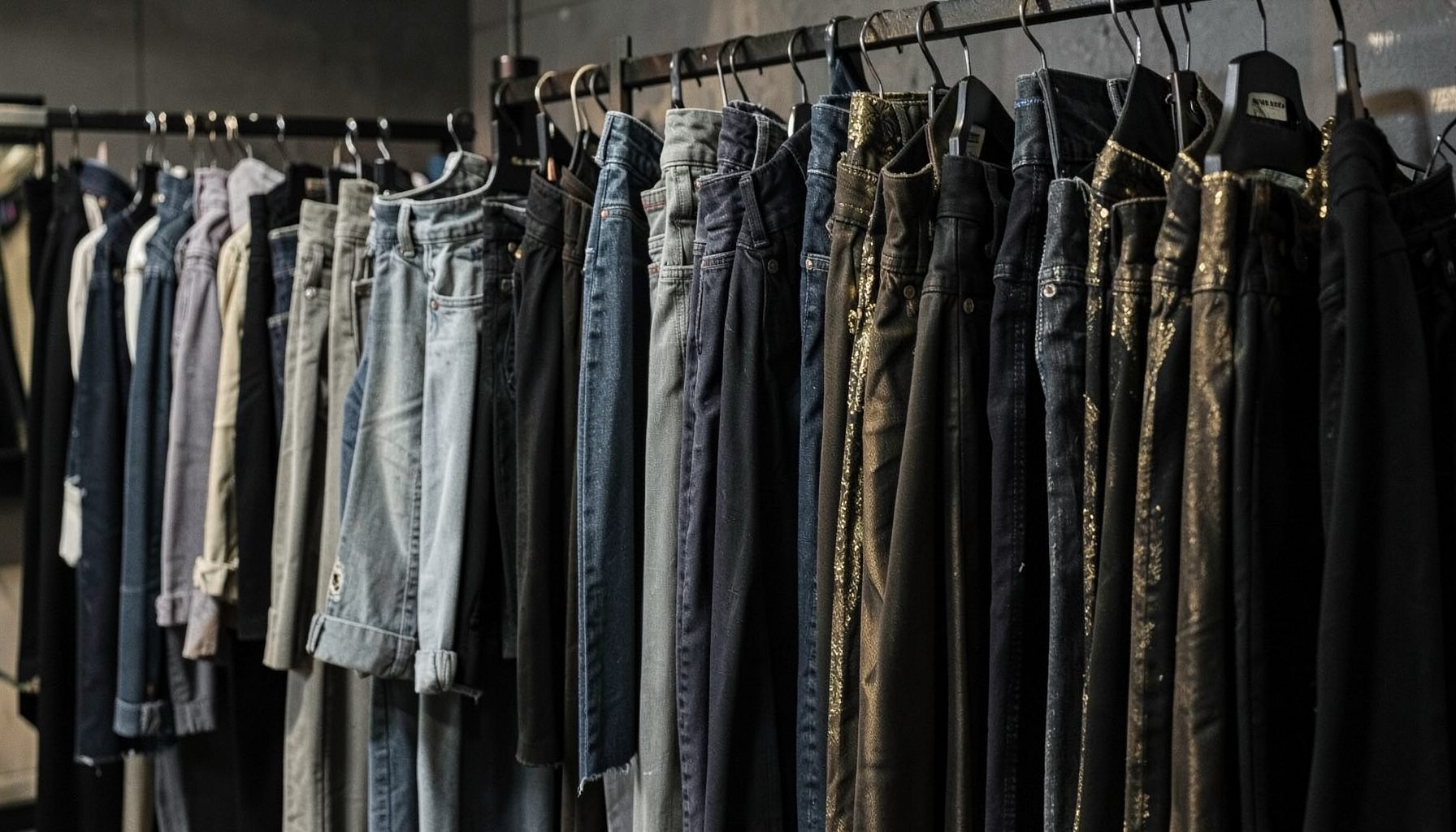
Look at your current clothes to see which shapes make you feel most comfortable. If fitted tops and structured trousers work well, a tailored coat may feel natural. If you prefer fluid dresses or oversized jumpers, seek a relaxed outer layer with enough space through the shoulders and sleeves.
Fit should always come first. The shoulder seam should sit close to your shoulder edge, the sleeves should reach the wrist bone and the coat should fasten without pulling across the chest or stomach. A flattering design cannot compensate for fabric that strains or bunches.
Match coat structure to your silhouette
Tailoring can add definition, while softer fabrics create a more relaxed line. A belted coat draws attention towards the waist, whereas a straight-cut or cocoon style skims the body. Double-breasted fronts can add structure and visual width, while a single-breasted design usually creates a longer, cleaner line.
Use the table below as a starting point rather than a strict formula. Personal preference, height and the clothes worn underneath can change how each style looks.
| Proportion or style preference | Coat shapes to consider | Details to look for |
|---|---|---|
| Defined waist | Wrap, belted or fit-and-flare coats | Adjustable ties, shaped seams and a neat shoulder |
| Fuller midsection | Straight, cocoon or open-front coats | Smooth fronts, vertical seams and minimal bulk |
| Broader shoulders | A-line, single-breasted or softly tailored styles | Simple lapels and a gently flared hem |
| Fuller hips or thighs | Structured shoulders with an easy lower half | Mid-thigh hems, vertical lines and balanced lapels |
| Straighter silhouette | Belted, double-breasted or peplum-inspired coats | Buttons, panels and waist shaping |
| Petite frame | Short, cropped or streamlined wool-look coats | Small lapels, minimal volume and higher fastenings |
| Taller frame | Longline, oversized or belted coats | Larger collars, generous sleeves and bold proportions |
A coat should balance your shape rather than hide it. If a style adds volume at the shoulders, a cleaner lower half can create harmony. If the coat is fuller through the body, streamlined trousers, boots or a narrow skirt can prevent the outfit from feeling heavy.
Choose a length that works with your wardrobe
Coat length changes the impression of height and proportion. A cropped jacket ending near the waist or upper hip can show more of the legs and work especially well with high-waisted jeans, wide-leg trousers or dresses. It is also practical for driving and everyday errands.
Hip-length and mid-thigh coats are versatile choices for daily wear. They cover enough of the outfit to provide warmth while remaining easy to style with denim, jumpsuits, loungewear or activewear. This length can also be easier to wear if you are petite or prefer a lighter outer layer.
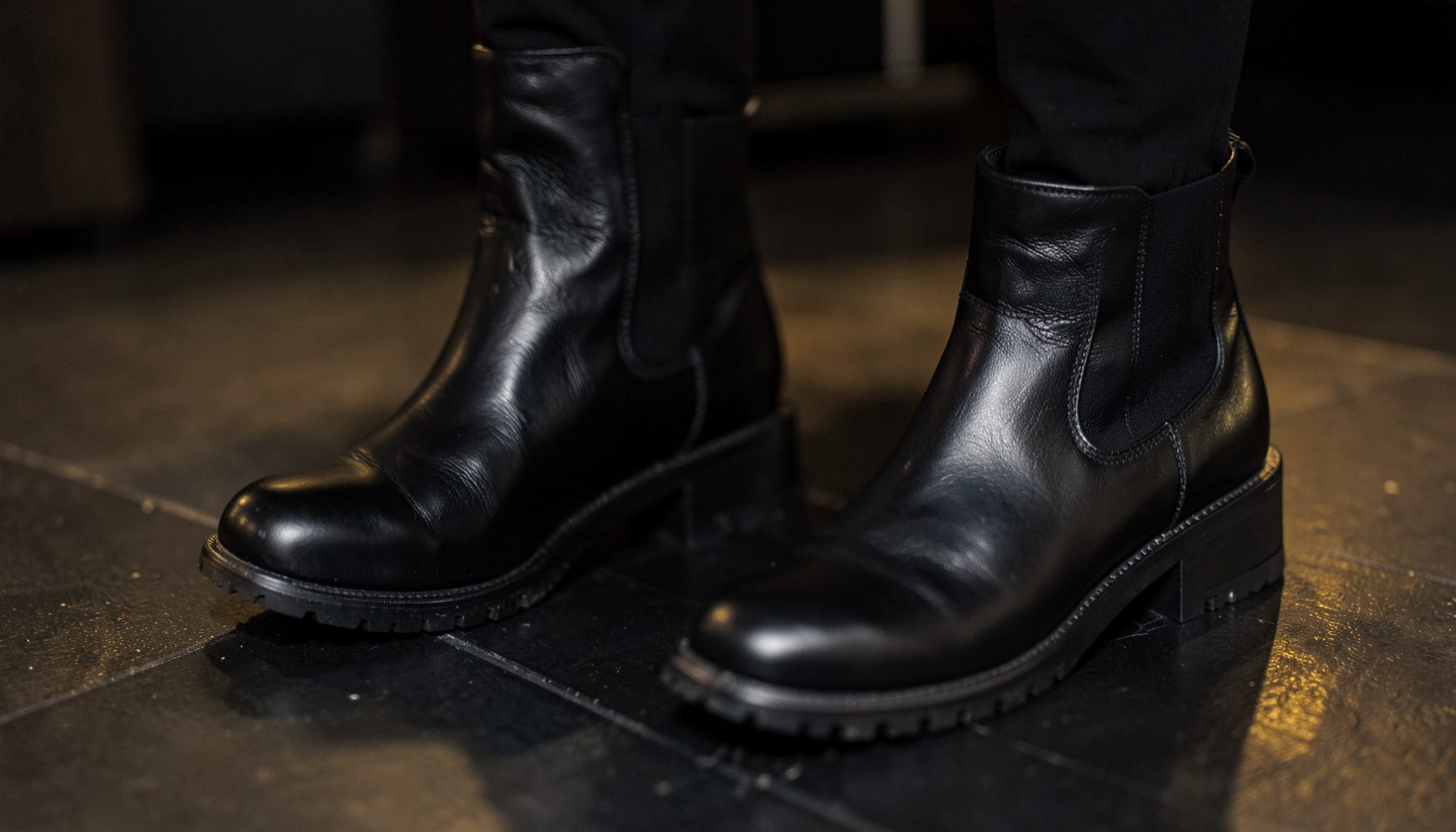
Longline coats create a polished, elongated effect and pair beautifully with boots or tailored trousers. Check that the hem does not overwhelm your frame or catch around your ankles. A long coat usually looks more balanced when the rest of the outfit has a clear, simple shape.
Let collars, sleeves and fastenings do the work
Small design features can have a major impact. A wide lapel brings attention to the upper body, while a narrow lapel gives a more understated appearance. A collarless coat can look sleek over high-neck knitwear, and a hooded style adds practical coverage for casual outfits.
Sleeve volume matters too. Drop shoulders and balloon sleeves create a relaxed feel but may need extra room through the upper arm. If you often wear chunky jumpers, try the coat over your thickest layer before deciding. The sleeve should allow movement without producing a tight band around the bicep.
Fastenings also influence the visual line. A row of buttons creates a strong vertical path, while a zip-front coat often feels cleaner and more modern. Belts can define the waist, but they should sit comfortably rather than force the fabric into folds.
Use colour and fabric to support the shape
Dark neutrals such as black, navy, charcoal and chocolate brown are easy to combine with existing wardrobe pieces. They can create a streamlined appearance, especially when the coat and lower half of the outfit share similar tones. Cream, camel and soft grey bring brightness and work well with denim and winter accessories.
Colourful coats can become the focal point of an outfit. If you choose red, green, blue or a checked pattern, keep the surrounding pieces relatively simple. A bold coat can transform a basic dress or jeans-and-knitwear combination without requiring many additional accessories.
Fabric weight is just as important as colour. Thick padded or teddy textures add warmth and volume, while smooth wool-look, faux leather or woven materials usually create a sharper outline. Consider your climate and daily routine before choosing a dramatic oversized style that may feel impractical.
Build a coat collection around real occasions
One coat rarely covers every need. A polished tailored style can serve workwear and events, while a lightweight trench is useful during changeable weather. A padded jacket or quilted coat suits casual days, and a shorter jacket can complement activewear or relaxed denim.
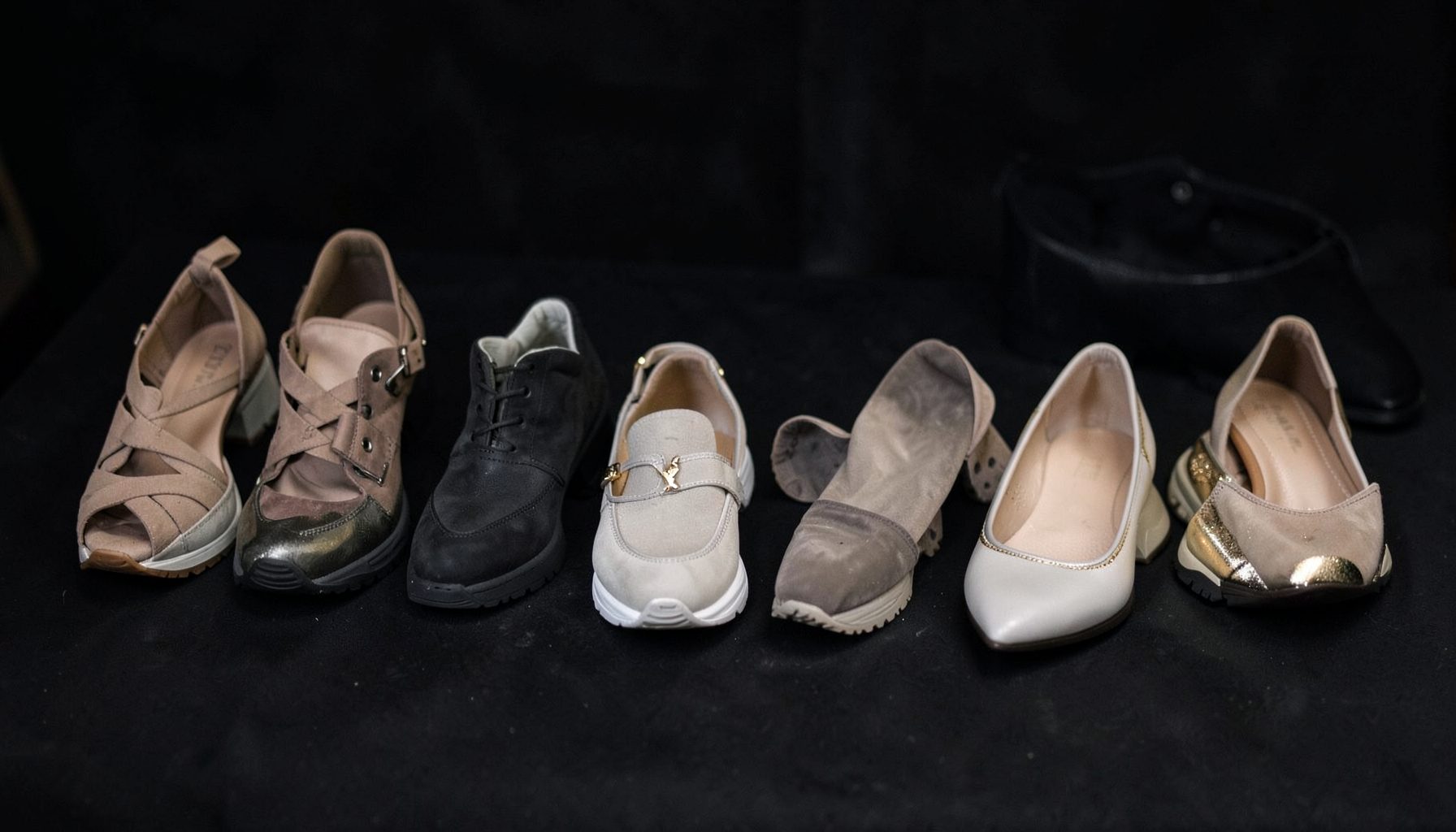
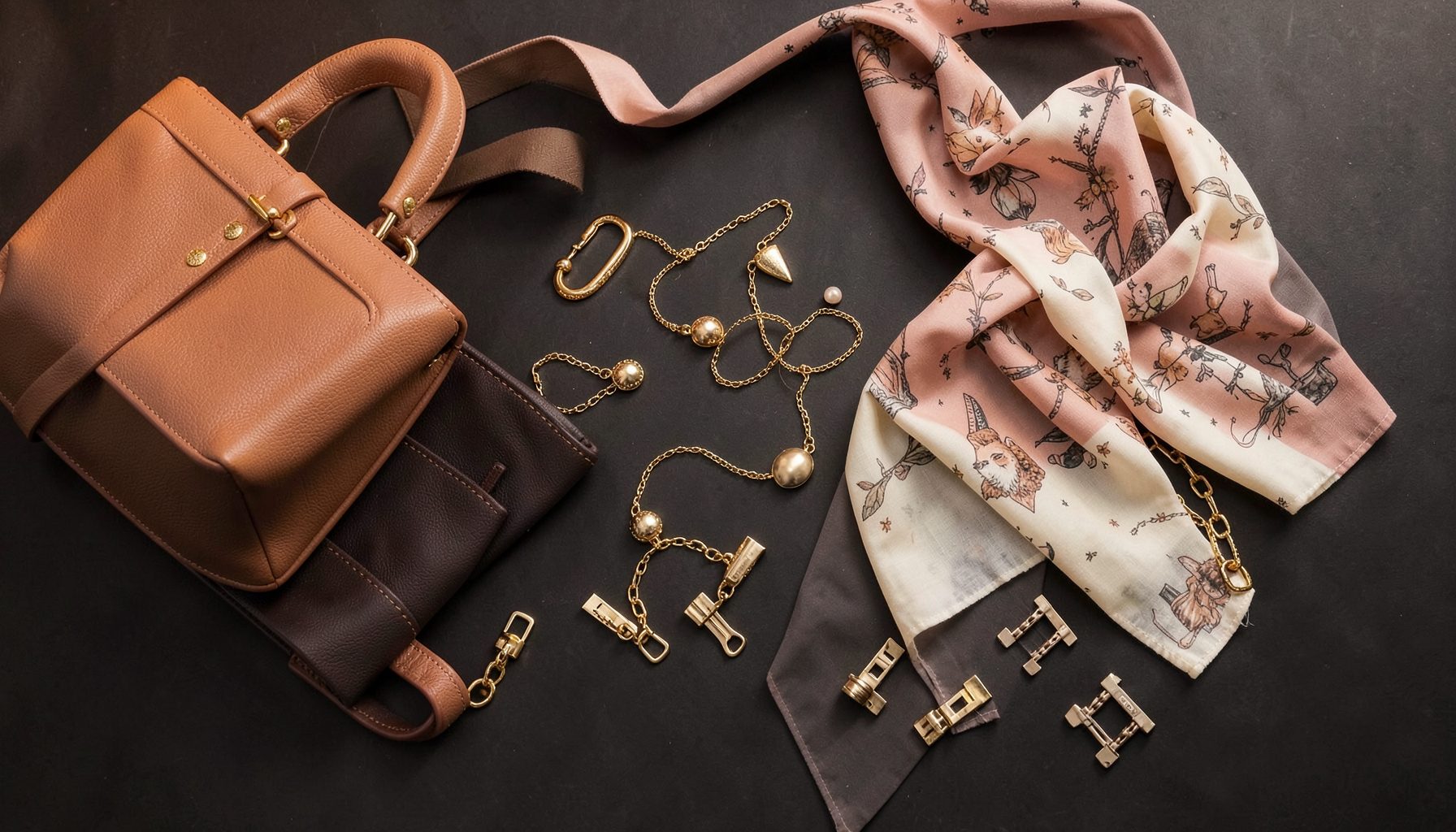
Think about the shoes and bags already in your wardrobe. Ankle boots and structured bags often sharpen a long coat, while trainers, crossbody bags and roomy totes support a more casual silhouette. Matching metal details, such as belt buckles and jewellery, can make the finished look feel intentional.
When shopping online, read the product measurements and fabric information carefully. Check the return policy if you are deciding between sizes or shapes. A store offering secure SSL transactions, free shipping on orders over £60 and a 20–30 day return guarantee can make trying a new outerwear style more convenient.
Keep these styling principles in mind
The most flattering coat is one that fits your lifestyle as well as your proportions. Use these practical checks before adding a style to your basket:
- Choose shoulders that sit correctly, even if the coat is designed to have a relaxed fit.
- Try to leave enough room for a jumper without creating excess fabric at the back.
- Select a hemline that works with your favourite trousers, dresses and boots.
- Use belts, lapels and button placement to guide attention where you want it.
- Prioritise comfortable movement, especially through the arms, chest and waist.
A good coat should make getting dressed simpler. Browse everyday outerwear, occasion-ready designs and seasonal sale pieces at Sudeshna Das, then build a complete look with dresses, denim, boots, bags and jewellery that reflect your personal style.