
How to care for leather shoes and keep them in top shape
A good pair of leather shoes is one of those wardrobe investments you can feel underfoot the moment you slip them on. They soften, mould to your arch, and develop a patina that cheaper pairs simply cannot replicate. The catch is that leather is a natural material, and like skin it needs regular upkeep to stay supple and avoid drying out.
For shoppers building a small wearable rotation rather than chasing fast trends, that maintenance routine is the difference between boots that fall apart after a season and pairs that survive a decade of weekend brunches and last-minute dinners out. The steps involved are neither expensive nor particularly time-consuming.
Australia throws a few curveballs at leather. The dry inland heat, the sudden coastal downpours in Sydney, and the salty air along the Mornaton Peninsula all stress the material in different ways. Understanding what your shoes actually go through in your local climate makes caring for them far more straightforward.
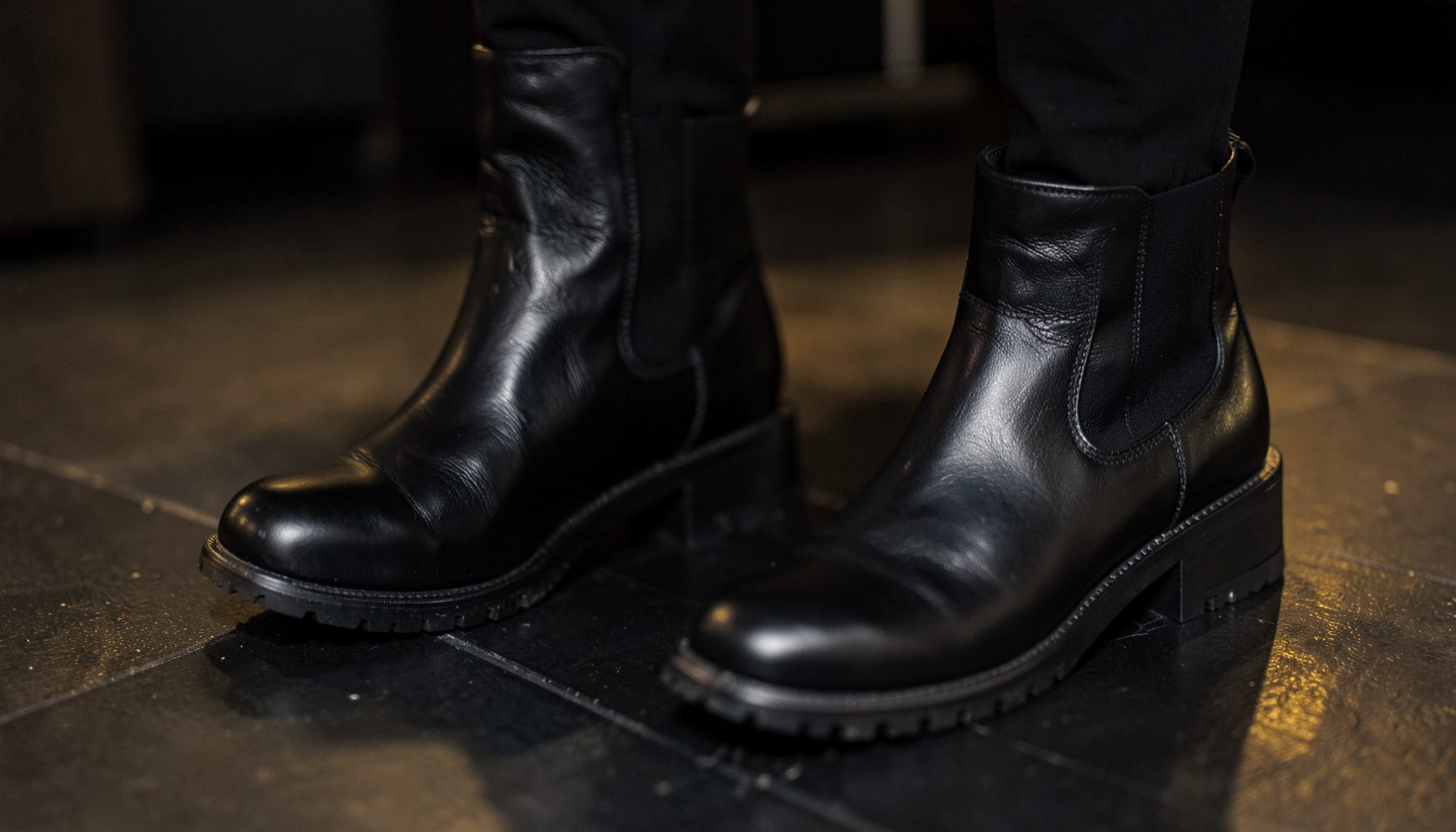
The basics below work whether you have just invested in ankle boots for winter, classic ballet flats for the office, or knee-highs you want to see through many seasons. Treat them with a little attention and the leather will quietly repay you with comfort and a polished finish for years.
Daily habits that protect the leather
The most useful habit is also the cheapest: give the leather time to air out before putting the shoes back in the wardrobe. Moisture from feet, unexpected drizzle, or morning dew collects inside the lining and slowly breaks down the stitching if it is trapped. Stuffing each pair with newspaper or a cedar shoe tree overnight absorbs that dampness and helps the upper hold its original shape.
Try to avoid wearing the same pair two days running. Leather needs roughly twenty-four hours to recover its internal moisture balance, and rotating between two or three favourites dramatically extends the life of the soles. Cobblers across Melbourne and Sydney will tell you that shoes worn daily tend to wear out two to three times faster than those worn in a rotation.
Cleaning without damaging the surface
A soft brush is your best first move at the end of a long day. Dust, grit and small stones ground into the seams are abrasive, and the longer they sit, the more they will score the finish during storage. A quick once-over takes about thirty seconds and prevents damage that no amount of polishing will fix.
For a deeper clean, dampen a cloth with lukewarm water and a drop of saddle soap. Work in small circles rather than scrubbing, then wipe away the residue with a dry cloth and let the shoes air dry away from direct heat. Avoid radiators, heaters, or the boot of a car parked in the Adelaide sun, as rapid drying pulls the natural oils out and leads to cracking. Suede and nubuck need their own approach, ideally a dedicated brush or a crepe block rather than any water at all.
Conditioning for the Australian climate
Conditioning is where most people either underdo it or go too far. Leather cream or a small amount of mink oil replaces the oils lost through wear, weather, and drying conditions. In most parts of Australia, conditioning every four to six weeks during the warmer months and once a month in winter is plenty.
Apply the cream with a soft cloth in thin even layers. Leave the shoes to rest overnight so the conditioner can absorb properly, then buff gently the next morning. The leather should feel soft and slightly waxy, not greasy. Skipping this step is the most common reason boots crack around the flex point near the toe, and once that cracking starts no product will reverse it, only slow its progress.
Weatherproofing against rain, salt and sun
A waterproofing spray designed for leather is well worth the small outlay, especially if you live near the coast. Salt carried on sea breezes in places like Coogee or Glenelg settles on leather and slowly corrodes stitching and metal eyelets. A spray-on protector creates an invisible barrier that buys you time to wipe it away.
Sun protection matters too. Direct Australian UV is intense, and prolonged exposure fades dyed leather and dries it out. Try not to leave boots on a sunny porch or in a west-facing window for hours on end. A shoe cabinet, a cloth bag, or a pillowcase will keep the colour true far longer than open shelving near a window. Reapply the protector every few months, or sooner if water stops beading on the surface. Spray outdoors on a calm arvo and apply two light coats rather than one heavy one.
Storing them properly between wears
Where your shoes live between wears is just as important as how you wear them. Heat, dust, and pressure from other footwear all shorten lifespan. A simple shoe rack that allows airflow around each pair is ideal, particularly in homes where under-stair storage runs warm.
Use cloth dust bags for anything you store away seasonally, such as heavier boots between October and March. Plastic bags trap moisture and invite mildew, which shows up on lighter linings surprisingly fast. A pillowcase with a simple knot does the same job for free, and storing tall boots upright with pool noodles or rolled cardboard inside the shafts stops them from slouching and creasing permanently.
When to call a cobbler
There is a point where home care ends and professional repair begins, and recognising it early saves money. Worn soles, lifted heels, loose stitching, and broken zips are all straightforward fixes that cost a fraction of replacing the shoe.
In most Australian capitals, a quality cobbler can resole a pair of leather boots for somewhere between eighty and one hundred and twenty dollars, depending on the construction. For well-made pairs bought locally or from European brands, that cost is genuinely worth it. Many local shops around Fitzroy, Newtown, and Fortitude Valley have been in the trade for decades and offer advice freely, so building a relationship with one before you urgently need them pays dividends later.
Care routine checklist for busy shoppers
- Brush off dust and grit after each wear with a soft-bristled brush.
- Insert shoe trees or rolled paper to absorb moisture overnight.
- Clean with a damp cloth and mild soap once a fortnight.
- Condition the leather every four to six weeks, more often in dry heat.
- Apply a leather protector spray before wet weather or coastal outings.
- Rotate pairs and store them in a cool, dry spot away from direct sun.
Browse the latest leather boots, loafers, and lace-ups at Sudeshna Das and give your next pair the foundation they need to last. With a small routine in place, the right shoes will outlast trends and look better with every passing season.