The ultimate guide to mixing prints with confidence
Print mixing can turn simple wardrobe pieces into expressive, polished outfits. Stripes, florals, checks, animal patterns, polka dots, and abstract designs all bring visual interest, but combining them successfully depends on balance rather than rules.
The easiest approach is to begin with clothes you already enjoy wearing and build around one clear focal point. A patterned dress can work with a printed bag, while a striped top may pair beautifully with floral trousers when the colours share a common thread.
Sudeshna Das makes this kind of styling accessible with affordable dresses, denim, jumpsuits, loungewear, shoes, bags, and accessories. With a considered mix of scale, colour, and texture, you can create complete outfits for workdays, weekends, holidays, or special occasions.
Start with a simple print pairing
If you are new to combining patterns, begin with two prints rather than several. Stripes are especially useful because they act almost like a neutral. A navy-and-white striped top can balance floral trousers, a checked skirt, or a subtle leopard-print accessory without making the outfit feel crowded.
Another dependable pairing is a geometric print with an organic design. Checks, grids, and stripes have structured lines, while florals and animal patterns feel more fluid. The contrast creates definition and helps each print remain visible.
Keep the rest of the outfit simple at first. Plain shoes, minimal jewellery, and a solid-colour bag give patterned clothing room to stand out. Once the combination feels comfortable, you can introduce a third print through a scarf, belt, or small accessory.
Use colour to connect different patterns
Colour is the strongest link between unrelated prints. Look for one shade that appears in both pieces, even if the patterns themselves are very different. A cream background in a floral blouse can connect with cream stripes in a skirt, while a small touch of burgundy can unite a checked jacket and printed boots.
You do not need exact colour matching. Related tones often look more modern than identical ones. Soft blue and navy, blush and red, or olive and khaki can create a coordinated appearance while keeping the outfit visually interesting.
A useful method is the 60-30-10 balance: let one colour dominate, use a second shade for support, and reserve the brightest tone for accents. This keeps bold print combinations from becoming overwhelming.
Balance print scale and visual weight
Print size matters as much as colour. Pairing two large, high-contrast patterns can make an outfit look busy, while two tiny prints may lack definition. Combining different scales usually creates a more harmonious result.
Try a large floral dress with a small patterned handbag, or wide stripes with a delicate dotted scarf. The larger design becomes the main feature, and the smaller one adds detail without competing for attention.
Visual weight also includes fabric, silhouette, and garment coverage. A flowing printed maxi dress may suit a compact patterned bag, while printed wide-leg trousers can be balanced with a smaller motif on a fitted top. Think about where the eye should go first.
| Print combination | Best styling approach | Useful finishing pieces |
|---|---|---|
| Stripes and florals | Repeat one colour and vary the print scale | Plain trainers or ankle boots |
| Checks and animal print | Keep one pattern subtle | Leather-look bag and simple jewellery |
| Polka dots and geometric designs | Choose similar spacing or contrast | Solid blazer or denim jacket |
| Abstract print and stripes | Use a shared neutral background | Minimal heels or clean-lined boots |
| Two floral patterns | Match one colour and vary flower size | Simple sandals and understated accessories |
Let neutral layers create breathing room
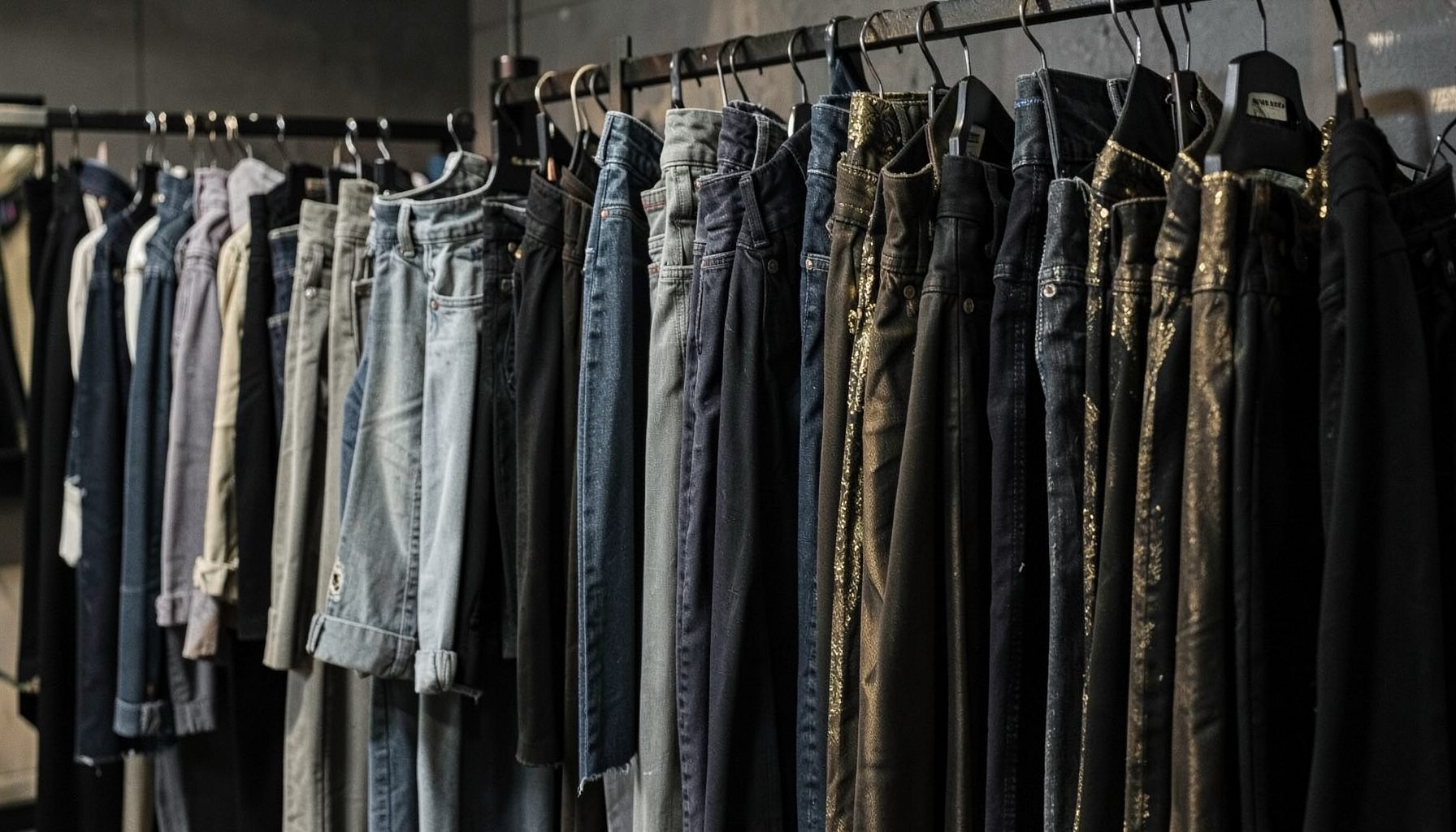
A neutral layer can make adventurous print combinations easier to wear. Denim jackets, black blazers, cream cardigans, and camel coats separate patterns while adding structure. These pieces are especially useful when your base outfit includes two strong designs.
For example, a printed jumpsuit can be worn with a patterned scarf when a denim jacket breaks up the visual effect. Similarly, a printed blouse and skirt can look more refined beneath a plain blazer. The layer acts as a frame around the prints rather than competing with them.
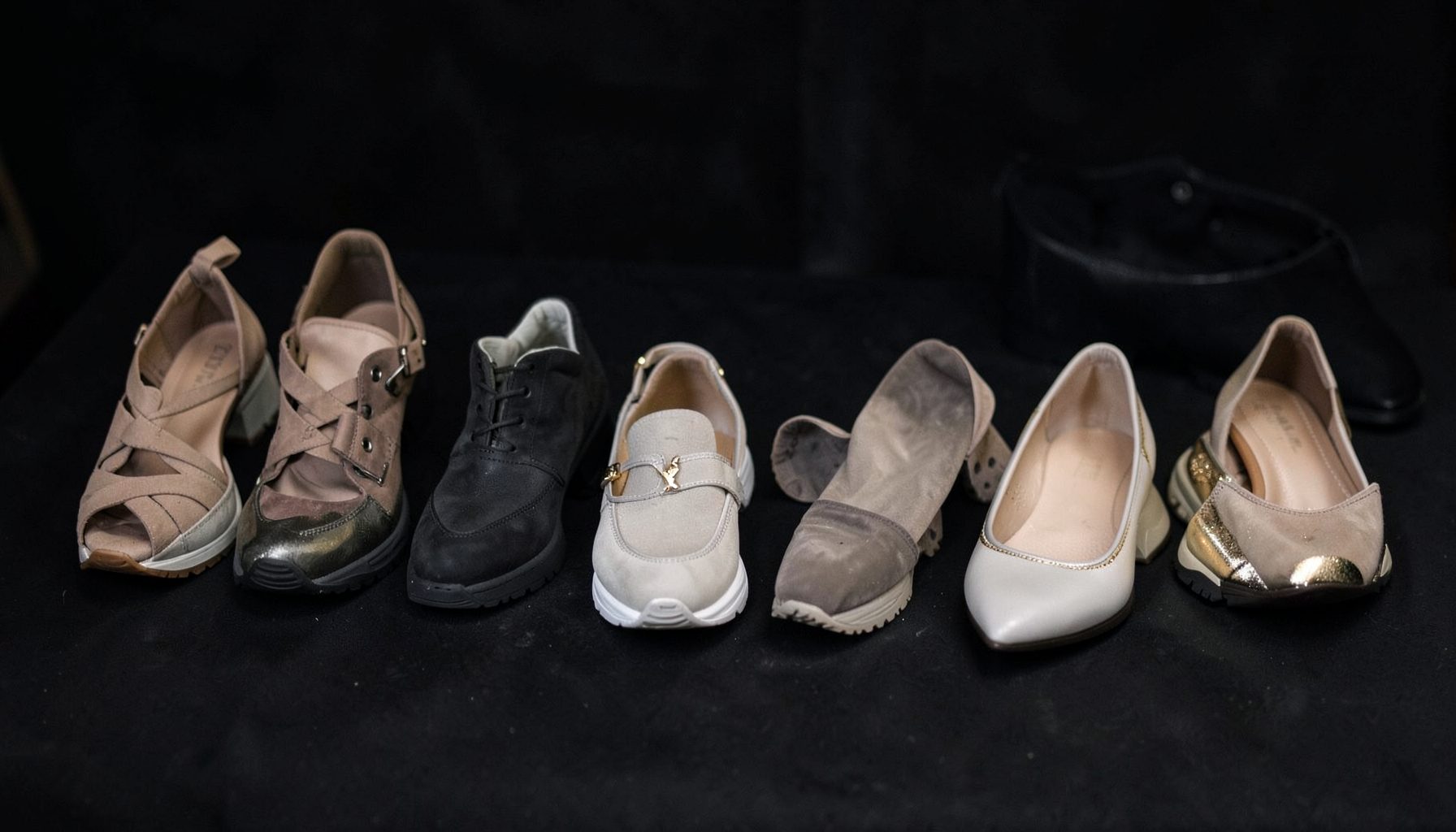
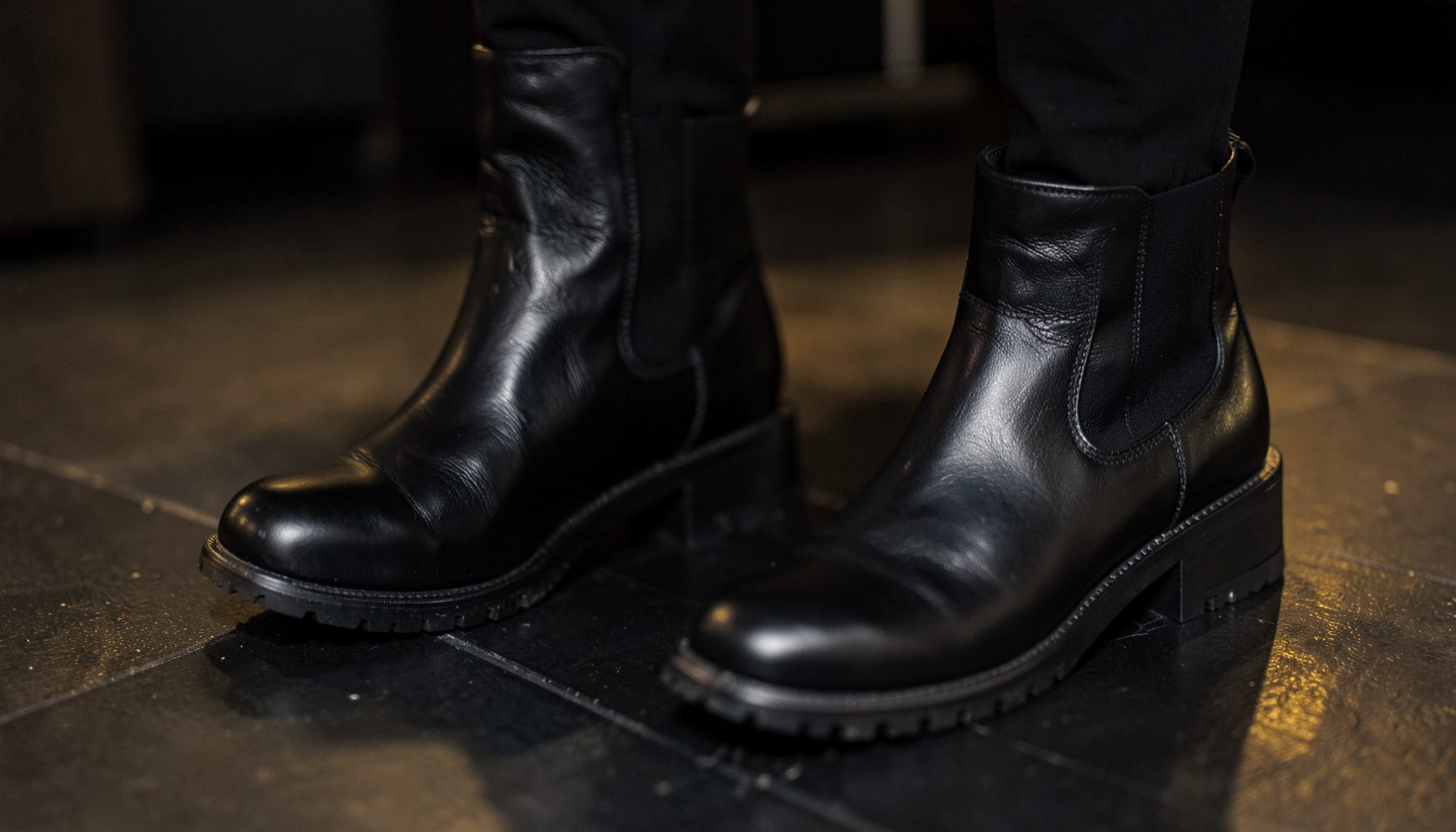
Shoes do not always need to be completely plain, but they should support the outfit. Black boots, neutral trainers, tan sandals, and understated heels are versatile choices that let the clothing remain the focus.
Mix prints through accessories
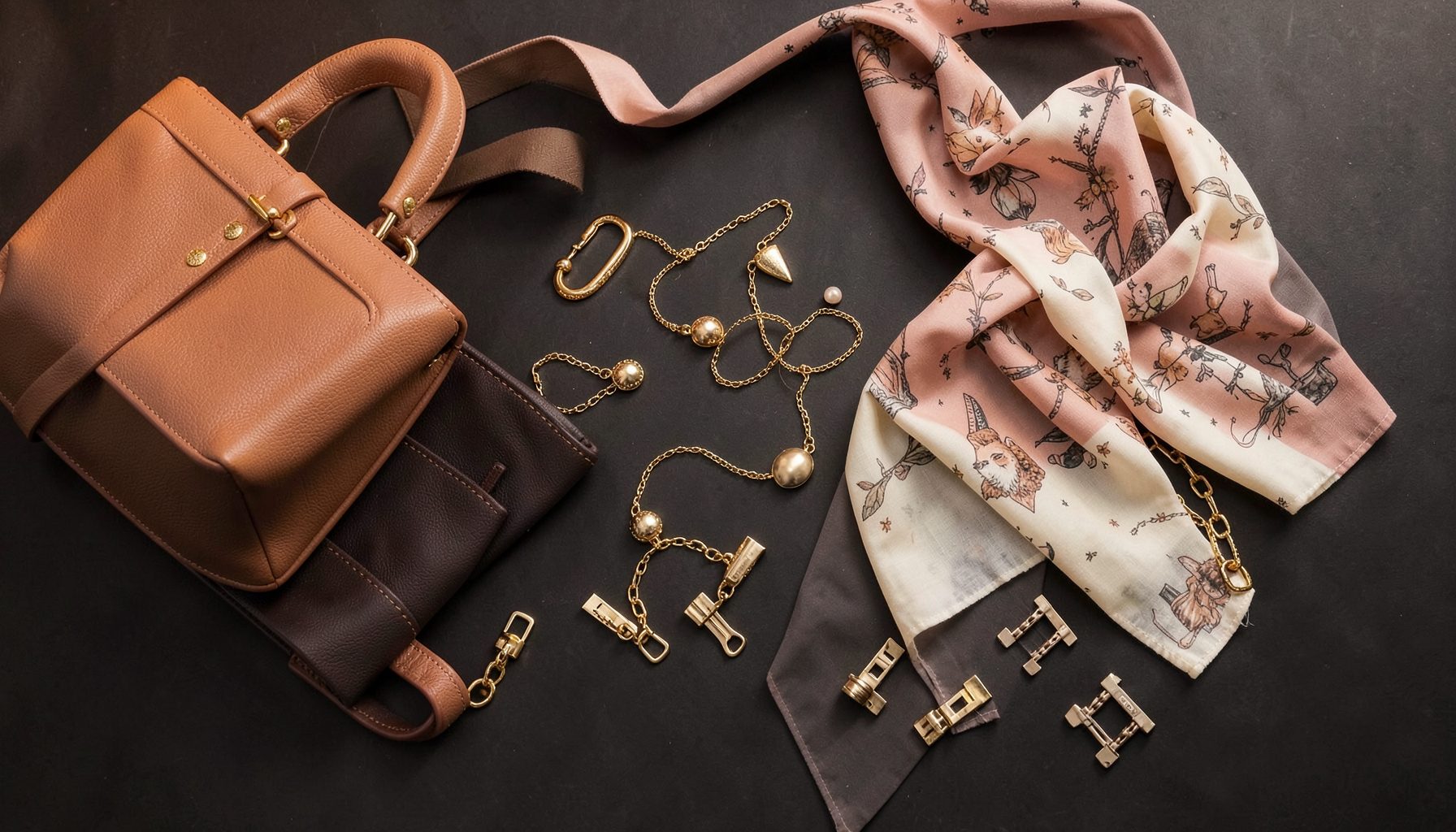
Accessories offer a low-commitment way to experiment with pattern. A printed bag, scarf, hair accessory, or pair of shoes can introduce contrast without requiring a fully patterned outfit. This works well when you prefer a restrained everyday wardrobe.
Try carrying a small animal-print bag with a striped top and jeans, or add a geometric scarf to a floral dress. Jewellery can also contribute texture and detail, although patterned outfits usually benefit from one clear accessory rather than several competing statement pieces.
When choosing accessories, repeat either a colour or a mood. A bright patterned bag suits playful summer clothing, while a deep-toned printed boot may work better with autumn denim and knitwear. The goal is coordination, not perfect duplication.
Adapt print mixing to the occasion
For daytime outfits, combine casual patterns with practical pieces such as denim, flat shoes, crossbody bags, or soft knitwear. A striped top, floral midi skirt, and ankle boots can feel relaxed while still looking styled. Jumpsuits and coordinated separates also make print dressing straightforward because the silhouette is already unified.
Occasionwear allows more contrast. A patterned dress can be enhanced with printed heels or a textured clutch, provided the accessories use a related colour palette. Keep jewellery refined when the clothing already has a strong pattern, especially for weddings, dinners, or evening events.
For work settings, choose lower-contrast designs and structured layers. Pinstripes, subtle checks, small dots, and restrained florals tend to look polished. A plain blazer, neat boots, and a practical bag can make creative print combinations feel professional.
Practical ways to build your outfit
Before getting dressed, lay the patterned pieces next to each other in natural light. This makes it easier to judge whether the colours complement one another and whether one print is visually overpowering. A quick mirror photograph can also reveal imbalances that are difficult to notice while styling.
Use these guidelines when creating a new combination:
- Start with one dominant print and keep the second pattern smaller or quieter.
- Repeat at least one colour across the outfit to create cohesion.
- Add a plain layer when two prints feel too intense together.
- Keep the silhouette clean so the pattern remains the main styling feature.
- Introduce bold prints through accessories before committing to several patterned garments.
Affordable fashion makes experimentation less intimidating. You can refresh a familiar pair of jeans with a printed blouse, add a patterned bag to a neutral dress, or explore seasonal motifs through shoes and scarves. Sudeshna Das offers wardrobe essentials across everyday and occasionwear collections, with sale prices that make trying a new combination easier. Free shipping applies to orders over £60, and secure SSL transactions support a confident online checkout.
Print mixing becomes much simpler when you focus on connection rather than perfection. Choose two designs with a shared colour, vary their scale, and use plain accessories or layers to provide balance. Browse Sudeshna Das to find dresses, denim, boots, bags, and finishing pieces that help you create expressive outfits for every part of your wardrobe.