The best fabrics for sensitive skin
Choosing clothing for sensitive skin involves more than finding soft textures. Fibre type, dye, fabric finish, seams, heat retention, and the way a garment fits can all affect comfort. The right material can help reduce rubbing, sweating, itching, and the dry feeling that often follows prolonged wear.
A thoughtful wardrobe should include breathable everyday pieces, smooth layers, and relaxed silhouettes that allow air to circulate. This is especially useful when shopping for dresses, denim, loungewear, activewear, or occasion outfits that may stay against the body for several hours.
At Sudeshna Das, shoppers can explore affordable clothing, shoes, bags, and accessories for complete outfits. Checking fabric details before ordering makes it easier to choose styles that look polished while remaining comfortable against delicate or reactive skin.
Why fabric choice matters for reactive skin
Sensitive skin can respond to friction, trapped moisture, heat, and chemical residues. A rough knit, tight waistband, or stiff seam may cause irritation even when the fibre itself is generally considered skin-friendly. Clothing that moves smoothly over the body is often a better choice than fabric with a coarse surface or heavy embellishment.
Breathability is another important factor. Fabrics that allow air and moisture to escape can help limit overheating, particularly during warmer weather or exercise. Loose cotton tops, linen-blend dresses, and lightweight modal loungewear are often more comfortable than dense materials worn directly against the skin.
Laundry habits also influence how a garment feels. Fragrance-free detergent, an extra rinse, and avoiding excessive fabric softener can reduce the residue left on fibres. New clothes should ideally be washed before their first wear, especially if the wearer is prone to irritation.
Natural fibres that feel gentle
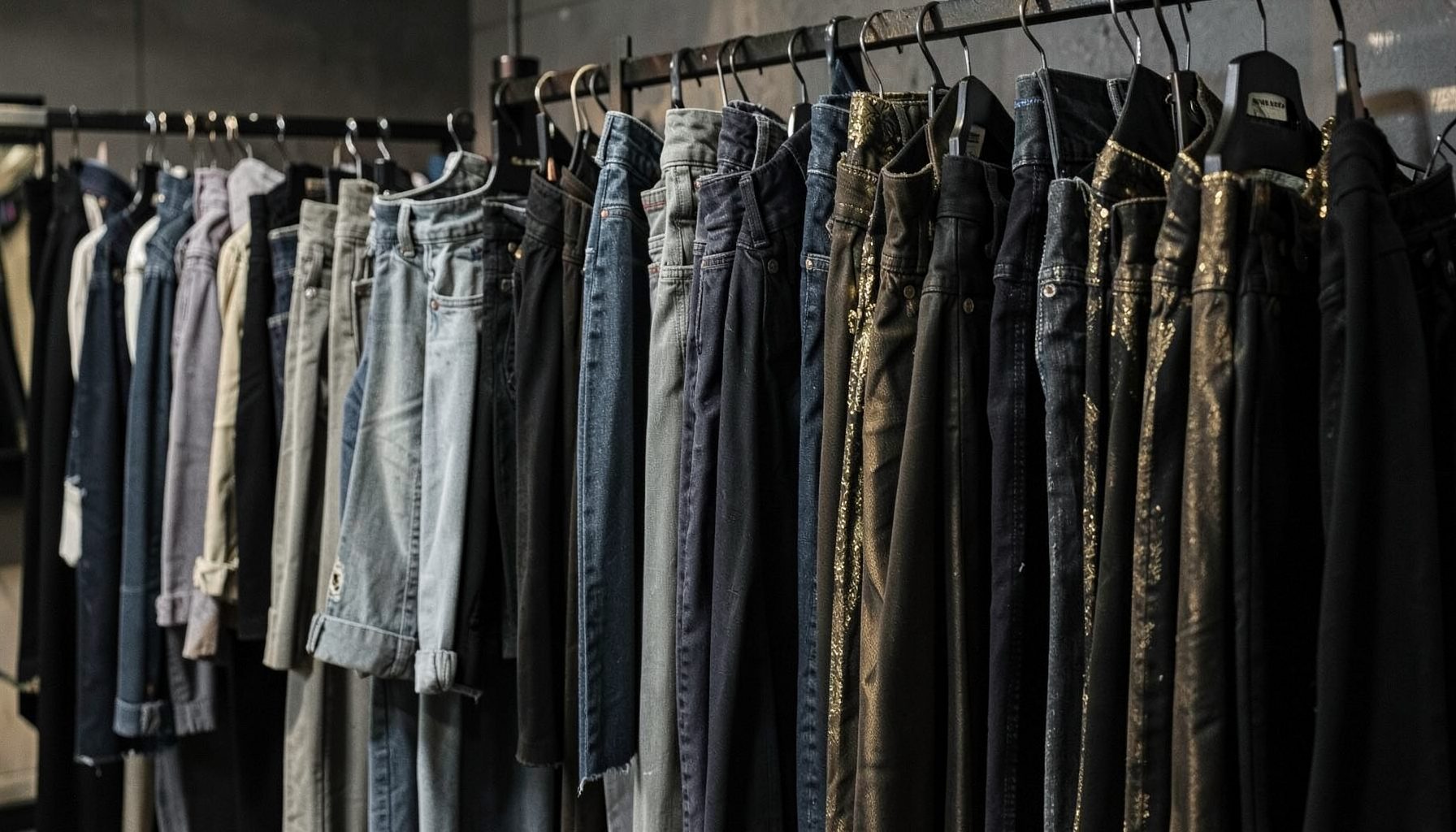
Cotton remains one of the most versatile options for delicate skin. It is breathable, absorbent, and available in many weights, from lightweight jersey to structured denim. Soft cotton dresses, relaxed T-shirts, and cotton-blend loungewear can work well for everyday dressing, although very stiff or heavily dyed cotton may feel less comfortable.
Linen is airy and effective in warm weather because it releases heat quickly. Its natural texture can feel slightly crisp at first, so a washed linen or linen-cotton blend may be preferable to a rigid finish. Linen trousers, loose shirts, and flowing summer dresses provide room without relying on clingy fabric.
Silk has a smooth surface that creates little friction, making it a useful option for scarves, camisoles, and lightweight layers. It can be less practical for daily wear because it needs careful washing and may retain stains. Merino wool can regulate temperature, but some people with sensitive skin find even fine wool fibres itchy; a soft base layer can help create a barrier.
Smooth regenerated and synthetic fibres
Lyocell and modal are regenerated cellulose fibres known for their soft hand feel and fluid drape. They are often used in tops, underwear, sleepwear, and relaxed dresses. Their smooth surfaces can be comfortable, though the final feel depends on the blend, dye, and finishing process.
Bamboo viscose is also marketed as a soft, breathable choice. However, the term describes the source material rather than the complete manufacturing process, so shoppers should still inspect the garment composition and care instructions. A smooth bamboo blend may feel pleasant, but it is not automatically suitable for every person.
Synthetic fibres such as polyester, nylon, and elastane can be useful in activewear and stretch garments. Smooth, lightweight blends dry quickly and support movement, but some may hold heat or moisture close to the skin. For exercise, look for breathable panels, a comfortable fit, and fabric that does not feel sticky after sweating.
What to check before buying
Fabric content is a useful starting point, but it does not tell the entire story. A cotton garment with rough seams may be less comfortable than a smooth modal blend. Look closely at the neckline, underarm area, waistband, and inside labels, since these are common points of rubbing.
Colour and finishing can matter as well. Very dark or intensely bright garments may contain more dye, while metallic threads, glitter, sequins, and stiff lace can scratch or cause local irritation. Flat seams, printed care labels, covered elastic, and minimal internal decoration are helpful details for a skin-conscious wardrobe.
| Fabric or feature | Potential benefits | Points to consider |
|---|---|---|
| Soft cotton | Breathable, absorbent, easy to wash | Heavy denim or rough finishes may rub |
| Linen blend | Airy and cool in warm weather | Pure linen can feel crisp before washing |
| Silk | Smooth and low-friction surface | Requires gentle care and may be delicate |
| Modal or lyocell | Soft, fluid, and comfortable for layers | Check the blend and finishing treatment |
| Merino wool | Helps regulate temperature | May feel itchy for some wearers |
| Polyester or nylon blend | Durable, stretchy, and quick-drying | Can trap heat or moisture in close fits |
| Flat seams and covered labels | Reduce rubbing and pressure | Inspect construction as well as fibre content |
Everyday outfit choices for comfort
For a casual outfit, pair a soft cotton or modal top with relaxed trousers and seamless or low-friction underlayers. If denim is preferred, choose a softer stretch finish and avoid waistbands that press tightly against the stomach. A loose jumpsuit can also provide a streamlined look without several restrictive layers.
Dresses offer an easy option because they reduce pressure points around the waist and hips. Look for breathable linings, adjustable straps, and flowing cuts. In cooler weather, a smooth base layer can prevent wool, textured knitwear, or rough outer fabrics from touching the skin directly.
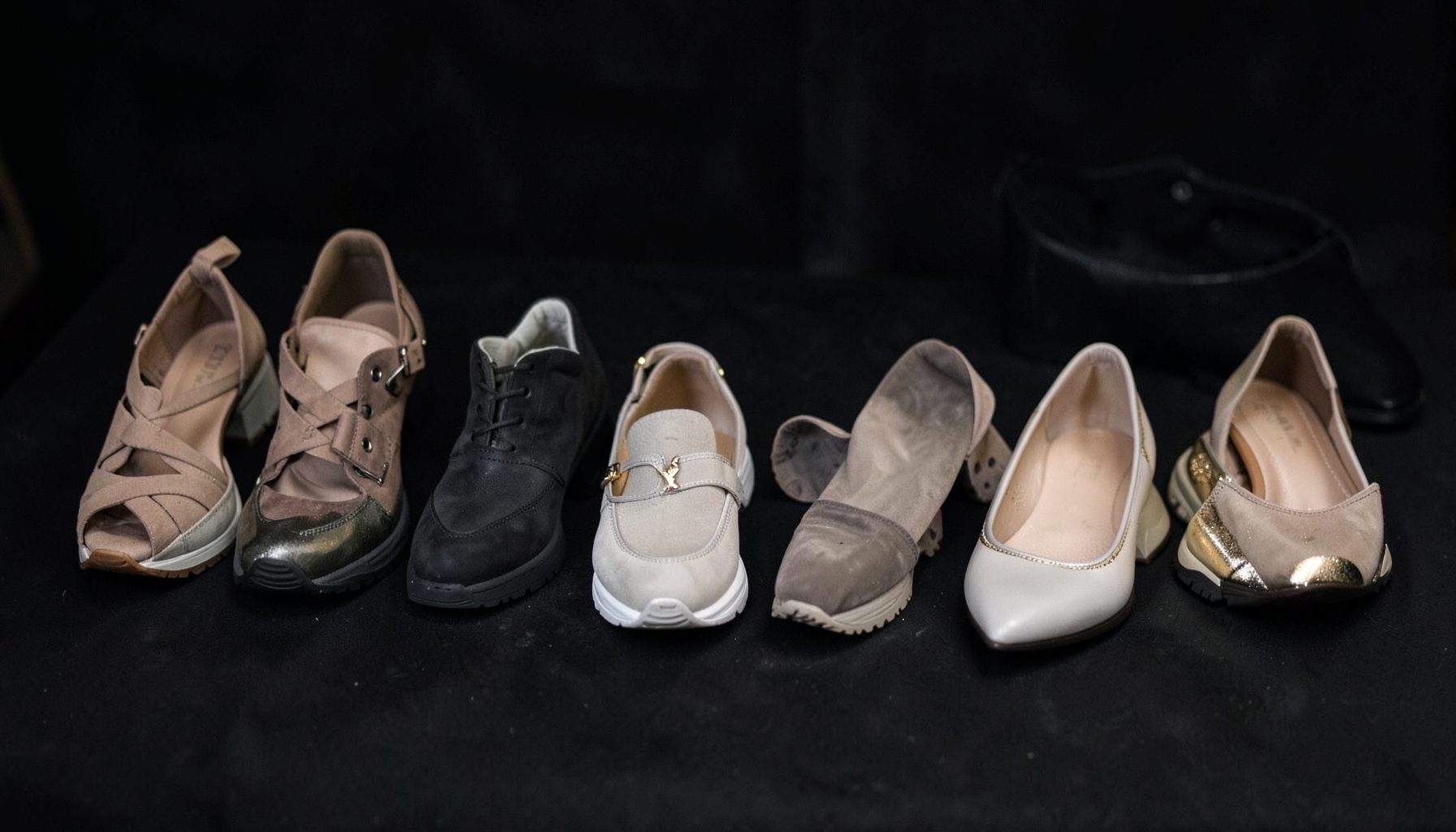
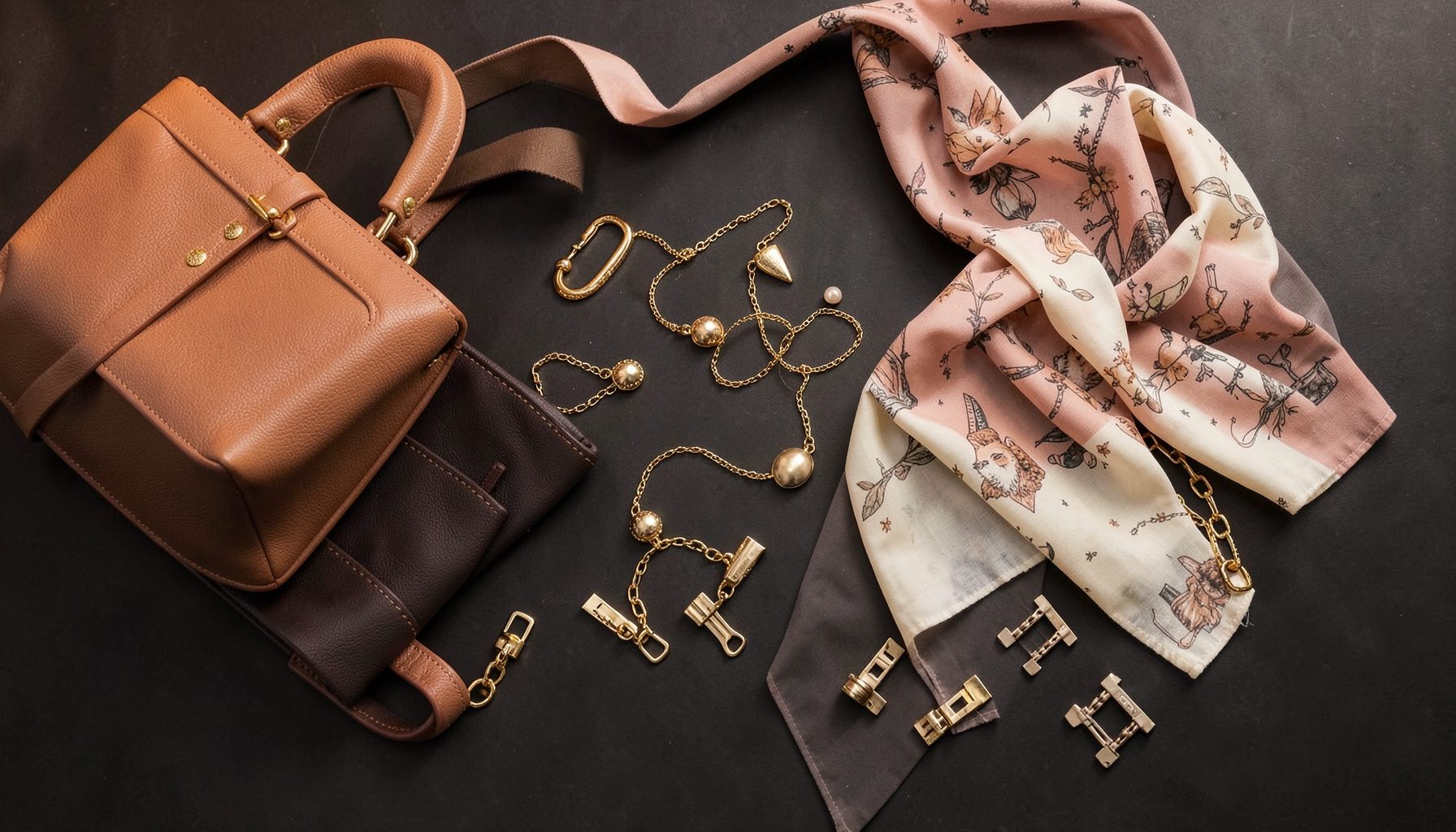
Shoes and accessories deserve attention too. A breathable shoe lining, padded strap, and soft bag handle can prevent irritation in areas exposed to repeated contact. Jewelry made with skin-friendly metals or worn for shorter periods may be preferable when costume pieces cause redness or discomfort.
A practical fabric checklist
Before adding a garment to your basket, consider how it will feel during a full day rather than only how it looks in a product image. These checks can help narrow down comfortable clothing for work, weekends, travel, and special occasions:
- Choose smooth, breathable fibres for garments worn directly against the body.
- Look for relaxed fits, flat seams, covered labels, and soft elastic.
- Avoid scratchy embellishments, stiff finishes, and rough internal stitching.
- Wash new clothing with a gentle, fragrance-free detergent before wearing it.
- Keep a lightweight cotton, modal, or lyocell layer available under textured pieces.
Fabric preferences are personal, and skin can react differently to the same material. If a garment repeatedly causes itching, burning, or a rash, stop wearing it and seek professional medical advice rather than trying to tolerate the irritation.
Explore Sudeshna Das for affordable dresses, jumpsuits, loungewear, activewear, denim, footwear, and accessories that can be combined into comfortable outfits. With free shipping on orders over £60, secure SSL transactions, and a 20–30 day return guarantee, it is easier to shop thoughtfully and choose pieces that suit both your style and your skin.