
How to keep your white clothes white
White clothing brings brightness and versatility to a wardrobe, from crisp shirts and cotton dresses to trainers, knitwear, and relaxed loungewear. Yet even well-made white garments can become dull when they collect body oils, detergent residue, makeup, or colour transfer.
The best way to preserve that clean, fresh appearance is to treat whitening as an everyday care routine rather than a one-time rescue job. Correct sorting, suitable washing temperatures, gentle stain treatment, and proper drying all make a visible difference.
Fabric labels should always guide your decisions. Cotton, linen, viscose, synthetics, wool, and delicate blends respond differently to heat and cleaning products, so a method that works for a sturdy T-shirt may damage an elegant blouse.
Start with careful sorting
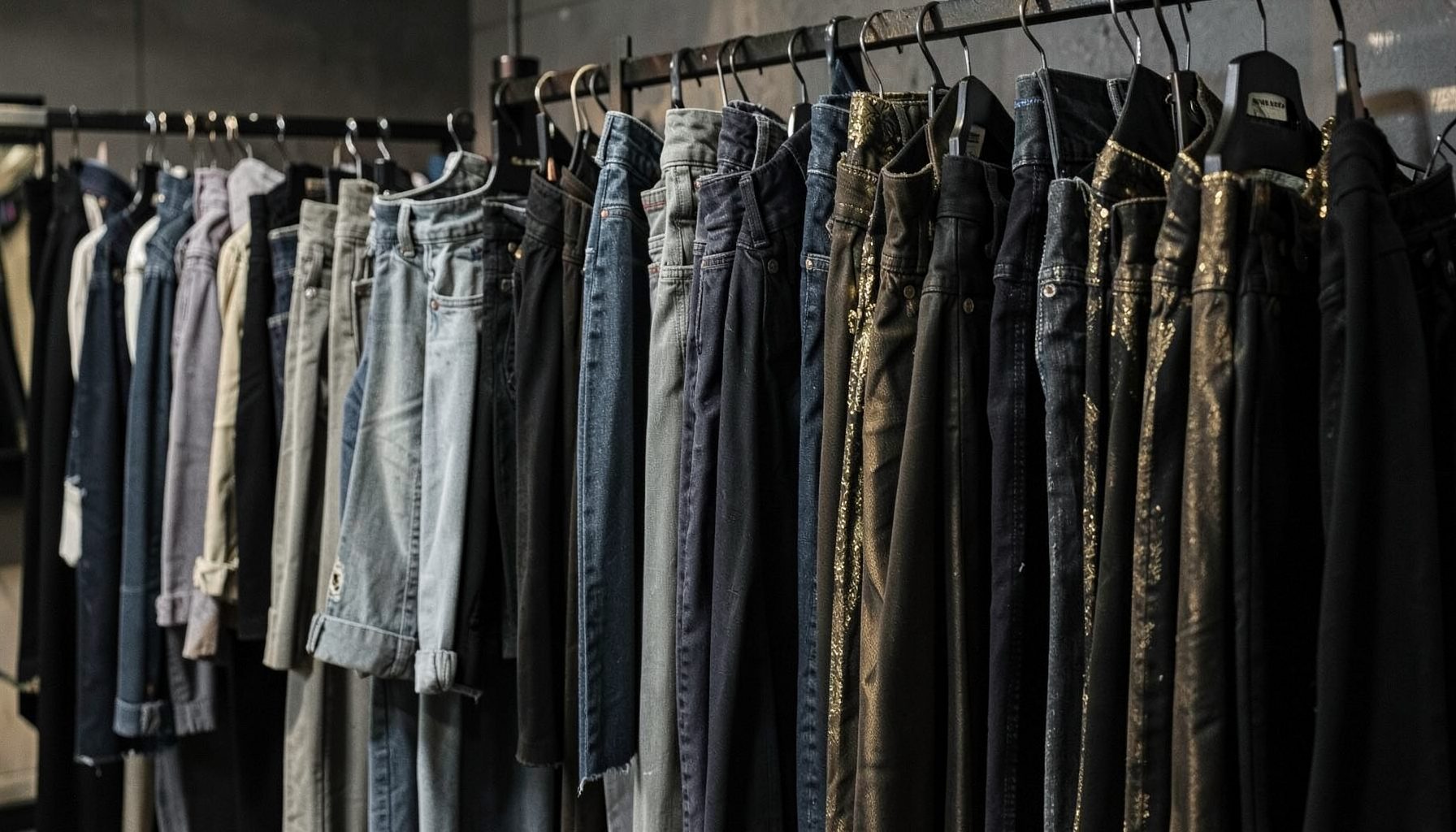
Wash white garments separately from coloured clothing, including pale blue, beige, and pastel items that may release dye. New denim, dark towels, and brightly coloured sportswear deserve particular caution because loose dye can transfer during a normal cycle.
Separate heavily soiled pieces from lightly worn whites as well. A muddy pair of white jeans can make delicate tops look grey, while towels may shed lint onto smooth fabrics. Close zips, fasten buttons, empty pockets, and turn printed or embellished items inside out before washing.
Choose the right washing routine
Use the warmest temperature allowed by the care label, since heat helps lift body oils and everyday grime. Many cotton whites can tolerate a warmer cycle, but synthetics and delicate fabrics usually stay in better condition with cool or lukewarm water.
Avoid overfilling the drum. Clothes need room to move through the water and detergent, and a tightly packed load can leave dirt trapped in fibres. Measure detergent according to the product instructions; excess powder or liquid may cling to fabric and create a dull coating.
For extra brightness, choose a detergent designed for whites or use an oxygen-based whitening product when the label permits it. Chlorine bleach can weaken fibres, yellow some fabrics, and damage elastane, so it should not be the automatic solution.
Match stain treatment to the fabric
Treat marks as soon as possible. Blot liquids rather than rubbing them deeper into the weave, then rinse from the reverse side with cool water when appropriate. Rubbing can spread makeup, food, and oily stains while roughening the surface of the garment.
Apply stain remover to an inconspicuous area first, especially on textured fabrics, lace, or garments with trims. Avoid mixing cleaning products, particularly bleach with ammonia or acidic substances, because the resulting fumes can be dangerous.
| Cleaning approach | Suitable for | Main benefit | Important caution |
|---|---|---|---|
| Cool-water rinse | Fresh drinks, light food marks | Prevents stains from setting | Hot water may be needed for some oily marks |
| Oxygen-based whitener | Many washable cottons and blends | Lifts dullness without harsh chlorine | Check the care label and product directions |
| Mild detergent soak | Delicates and lightly soiled items | Gives fibres time to release dirt | Do not leave fragile fabrics soaking for too long |
| Professional cleaning | Tailoring, wool, structured pieces | Protects specialist fabrics and finishes | Follow the garment’s cleaning instructions |
For yellowing around collars and underarms, pre-treat the area with a gentle laundry solution before washing. Allow it to work for the recommended time, then rinse thoroughly. If the discolouration continues, repeating a mild treatment is usually safer than applying a strong product immediately.
Dry whites without creating damage
Sunlight can naturally brighten some white cotton garments, and outdoor drying may help remove lingering odours. However, prolonged direct sun can weaken fibres or cause certain materials and finishes to change, so remove clothes once dry rather than leaving them outside all day.
Check each item before using a tumble dryer. High heat can shrink cotton, set some stains, and damage elastic fibres. Air-dry delicate pieces on a clean, suitably shaped hanger or lay them flat if the care label recommends it.
Do not hang wet knitwear from thin hangers, as the shoulders may stretch. Shake garments gently before drying to reduce creases, and leave enough space between items for air to circulate.
Build habits that protect brightness
Wear an undershirt beneath white tops when practical to reduce contact with deodorant, perfume, body oils, and foundation. Allow skincare and cosmetics to dry before dressing, and handle collars and cuffs with clean hands.
Wash white clothes after particularly sweaty or messy wear instead of leaving them compressed in a laundry basket. Damp, neglected fabric can develop odours and give stains more time to bond with the fibres.
A short care routine is easier to maintain when laundry products and storage are organised:
- Keep a separate basket for whites and light neutrals.
- Treat makeup, coffee, grass, and oil marks before washing.
- Use oxygen-based whitening products only when the fabric label allows them.
- Clean the washing machine drawer and drum regularly to reduce residue.
- Store fully dry whites away from coloured items and dusty surfaces.
Keep complete outfits looking fresh
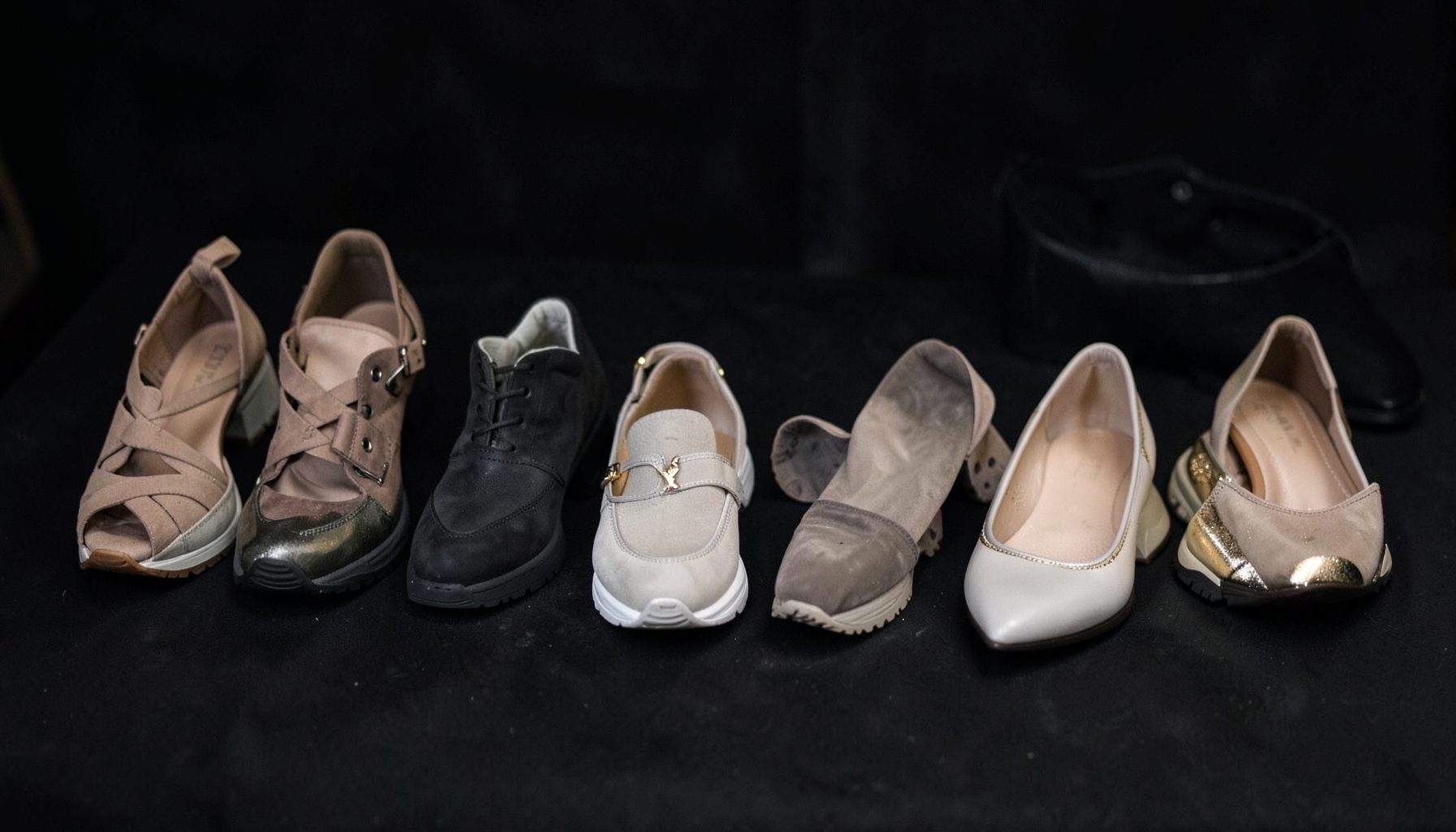
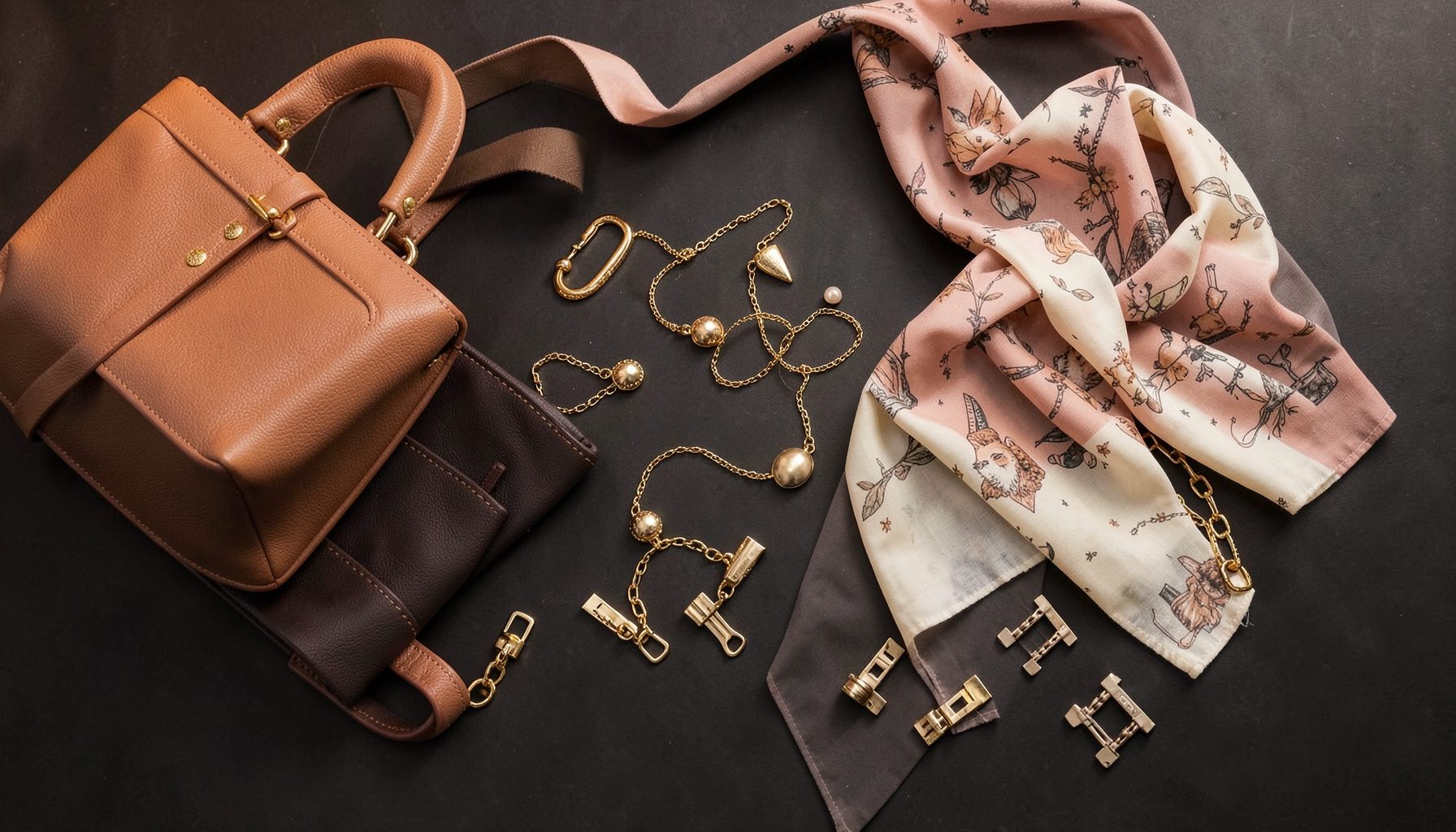
White clothing often forms the foundation of an outfit, but footwear and accessories can affect how clean the entire look appears. Wipe shoes after wearing them, keep light-coloured bags away from damp floors, and store accessories so they do not rub against freshly laundered fabric.
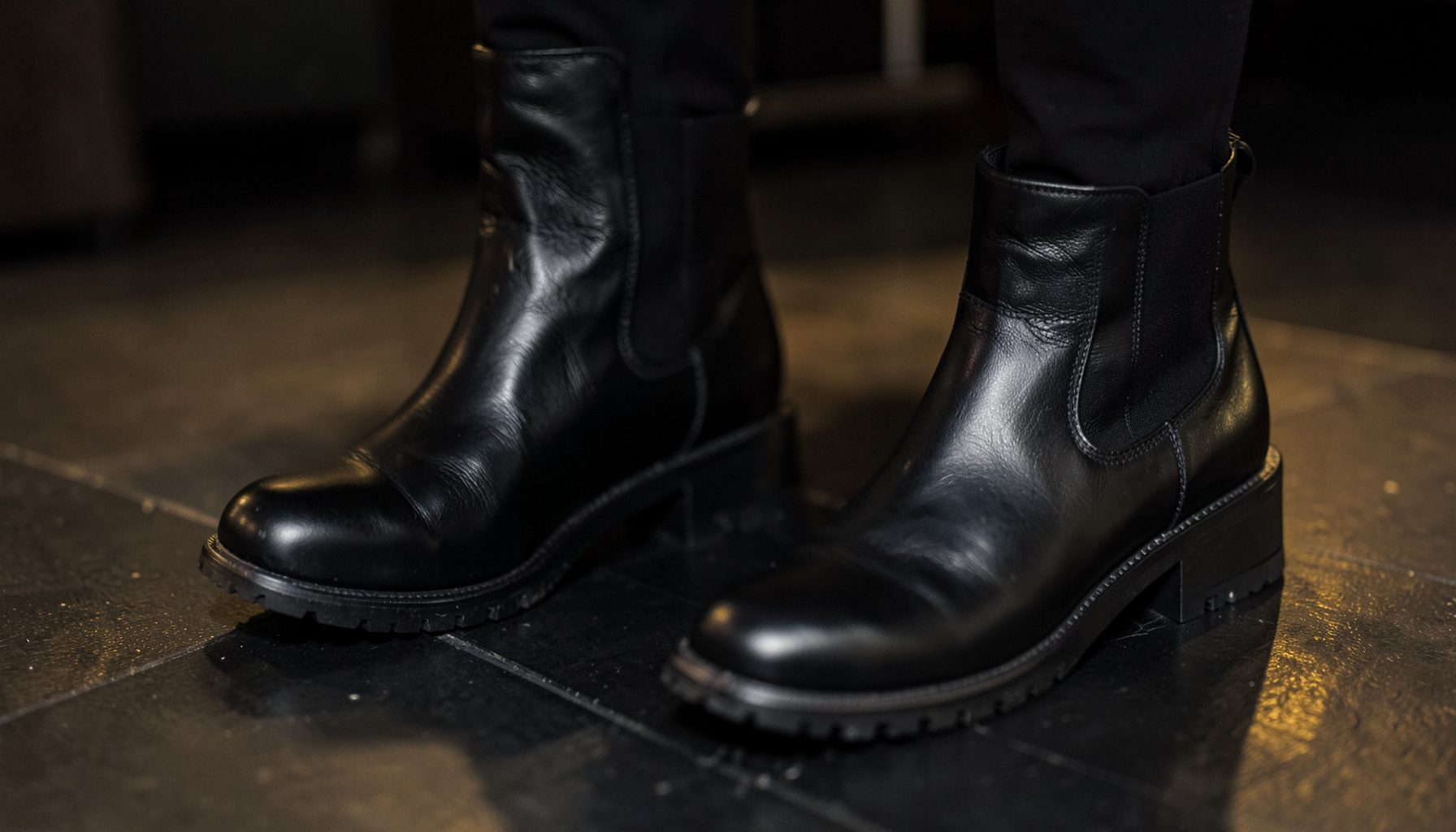
For a polished outfit, pair bright separates with well-maintained footwear such as the seasonal styles in the boots collection. Neutral boots can frame white dresses and denim, while simple ankle styles work well with everyday trousers and knitwear.
When a white item has lost its shape, developed permanent yellowing, or become thin from repeated treatments, replacing it may protect the rest of your wardrobe from an uneven appearance. Choose versatile pieces that can be washed according to your existing routine and worn across casual and occasion looks.
Shop fresh white wardrobe essentials at Sudeshna Das, then use these care habits to keep each piece crisp, comfortable, and ready for its next wear. Proper sorting, gentle stain care, and thoughtful drying will help your favourite whites stay bright for longer.