How to Dress for a Zoom Interview With Confidence
A strong interview outfit should look polished on camera, feel comfortable through a long conversation, and support the professional impression you want to make. Since a video call usually shows your upper body most clearly, the right blouse, knit top, blazer, or dress can have as much influence as your full outfit.
Dressing for a Zoom interview also involves practical choices. Lighting, camera quality, background colour, and movement can change how clothing appears on screen. A colour that looks elegant in person may blend into your wall, while a busy print can become distracting during a video call.
The best approach is to combine interview-appropriate style with your own personality. Affordable wardrobe staples, smart shoes, simple jewellery, and versatile layers make it easier to create a complete look without buying an entirely new work wardrobe.
Read the camera before choosing an outfit
A video interview typically frames your face, shoulders, and chest, so start with the top half of your outfit. Choose a neckline that sits neatly without needing constant adjustment. A collared shirt, fine-gauge jumper, wrap-style top, or tailored blouse can all create a clean outline around your face.
Avoid oversized collars, very loose fabric, and tops with details that move into the camera frame. Large bows, dangling ties, and noisy embellishments may draw attention away from what you are saying. Garments that hold their shape usually look more professional than thin fabric that creases easily.
Test the outfit using the same laptop or phone you will use for the interview. Sit at the correct distance, check how much of your clothing is visible, and record a short clip. This simple check can reveal glare, transparency, wrinkles, or a neckline that sits differently when you are seated.
Choose colours that work with lighting
Solid colours are usually reliable for video interviews because they create a calm, defined appearance. Navy, burgundy, forest green, soft blue, cream, and muted pink can add personality without overwhelming the screen. Select a shade that contrasts gently with your background so your outline remains clear.
Very bright white may look harsh under direct lighting, while neon colours can affect the camera’s exposure and skin tones. Tiny checks, narrow stripes, and high-contrast patterns may also produce a distracting moiré effect. If you prefer prints, choose a larger, quieter design with two or three coordinated colours.
Your complexion and the room’s lighting matter as well. Try the outfit during the time of day when the interview will take place. Natural light can make pale colours appear brighter, while warm lamps may change cool shades. A quick camera test is more dependable than judging the garment in a mirror.
Build a professional look from simple pieces
A blazer instantly gives structure to a casual top and can make a dress or jumpsuit feel more workplace-ready. Choose a fitted or softly tailored layer that allows comfortable arm movement. If the interview is for a creative role, a textured cardigan or elegant knit may feel more authentic than formal suiting.
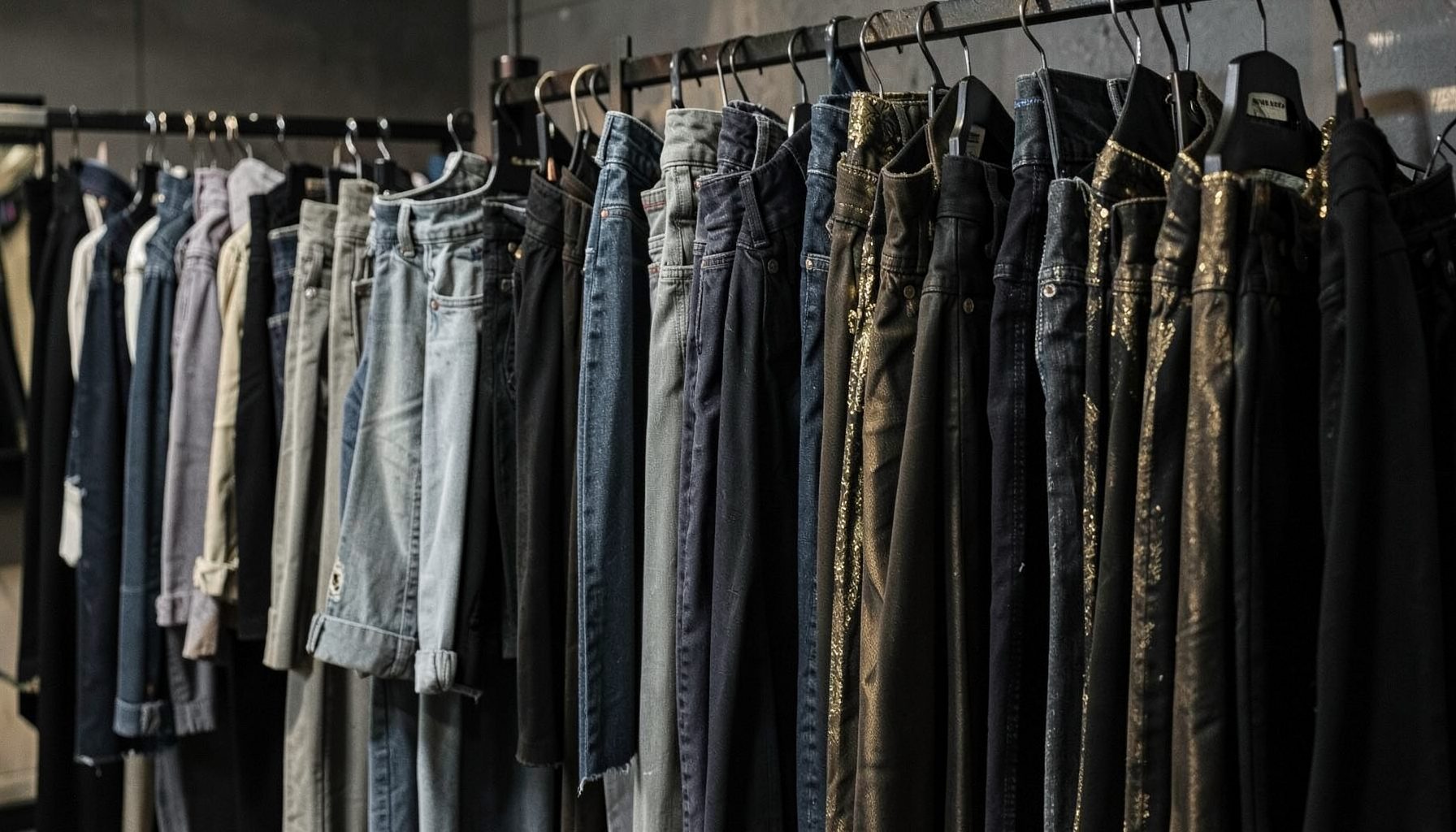
Dresses and jumpsuits are practical choices because they create a coordinated outfit with minimal effort. Look for a modest neckline, comfortable fabric, and a shape that stays neat while seated. Denim can work for relaxed company cultures when paired with a polished blouse or structured jacket, though it may be better reserved for industries with a casual dress code.
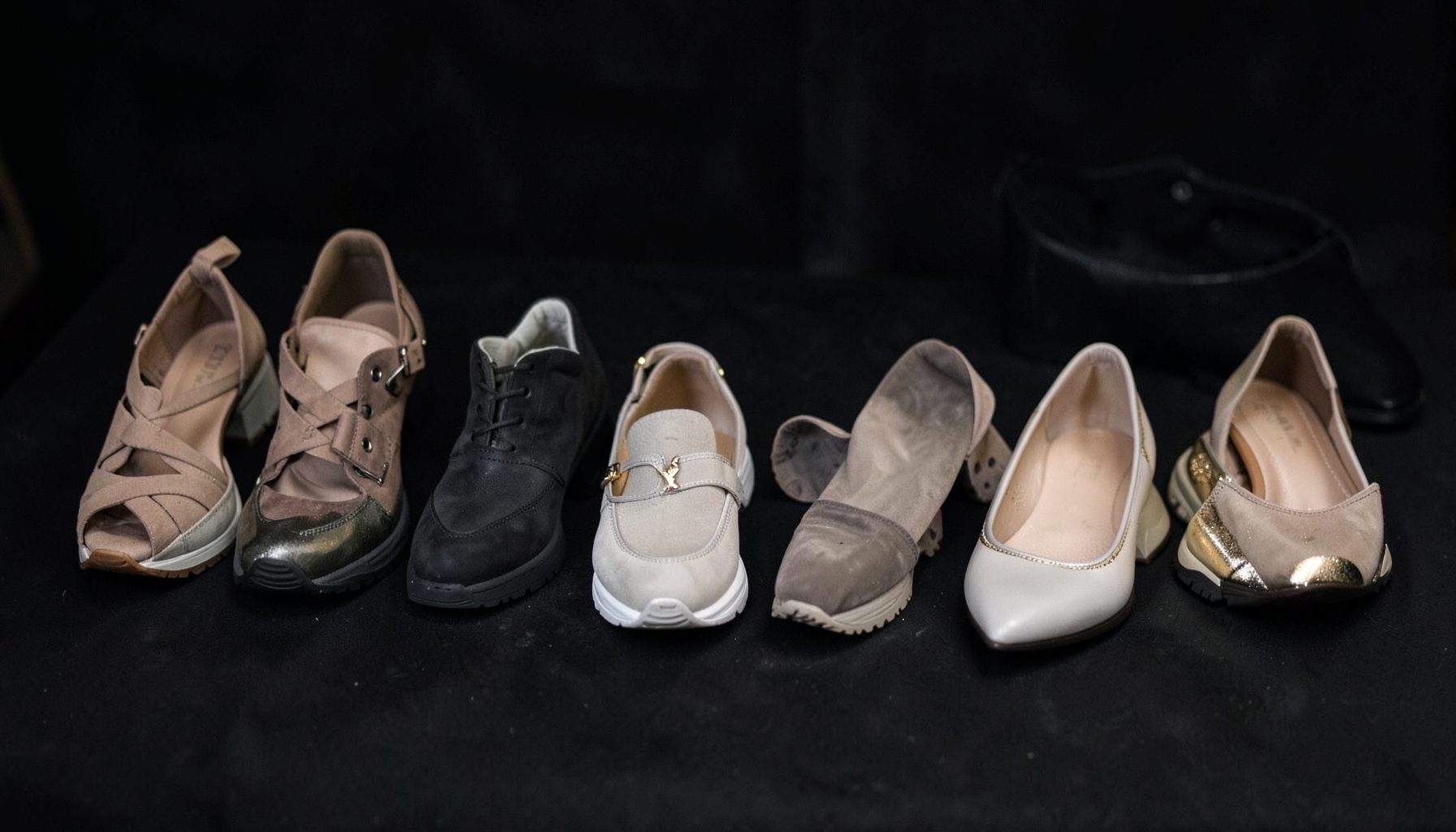
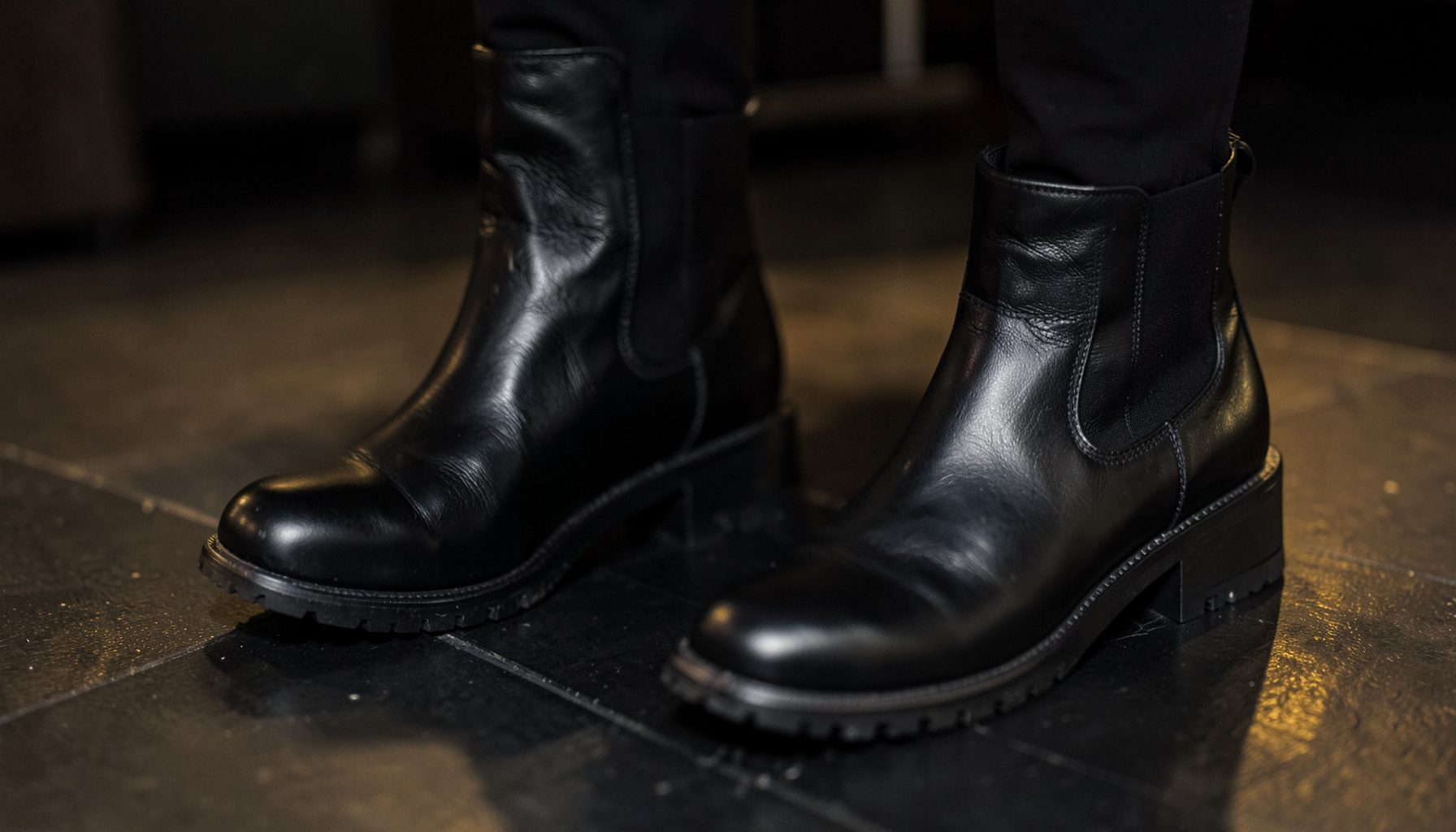
Footwear may be outside the camera frame, but it can still affect your confidence and posture. Wearing clean boots, flats, or low heels can help you feel fully prepared. Choose shoes that are comfortable enough to keep you focused rather than constantly aware of pressure or slipping.
Match your outfit to the workplace
Research the organisation’s website, social media, and employee photographs to understand its usual dress culture. A finance, legal, or corporate role may call for a blazer and refined blouse, while a design, retail, or technology company may welcome a smart-casual outfit with distinctive colour or accessories.
The table below offers a practical starting point for different interview environments. Treat these suggestions as a guide rather than a strict uniform, since the role, seniority, and company culture should shape the final choice.
| Interview setting | Suitable outfit direction | Details to keep restrained |
|---|---|---|
| Corporate or finance | Blazer, blouse, tailored knit, or simple dress | Bright patterns and excessive jewellery |
| Creative or media | Structured top, stylish jumpsuit, or refined print | Anything that obscures your face |
| Technology or start-up | Smart knit, collared shirt, or relaxed blazer | Clothing that appears too casual or rumpled |
| Education or healthcare | Comfortable blouse, cardigan, or modest dress | Deep necklines and noisy accessories |
| Retail or customer-facing role | Polished top with coordinated trousers or denim | Distracting logos and poorly fitted layers |
Whatever the setting, aim for one level more polished than your everyday clothing. This shows respect for the opportunity while leaving room for personal style. If you are unsure, a clean, well-fitting outfit in a simple colour palette is usually a safe choice.
Refine the details without overdoing them
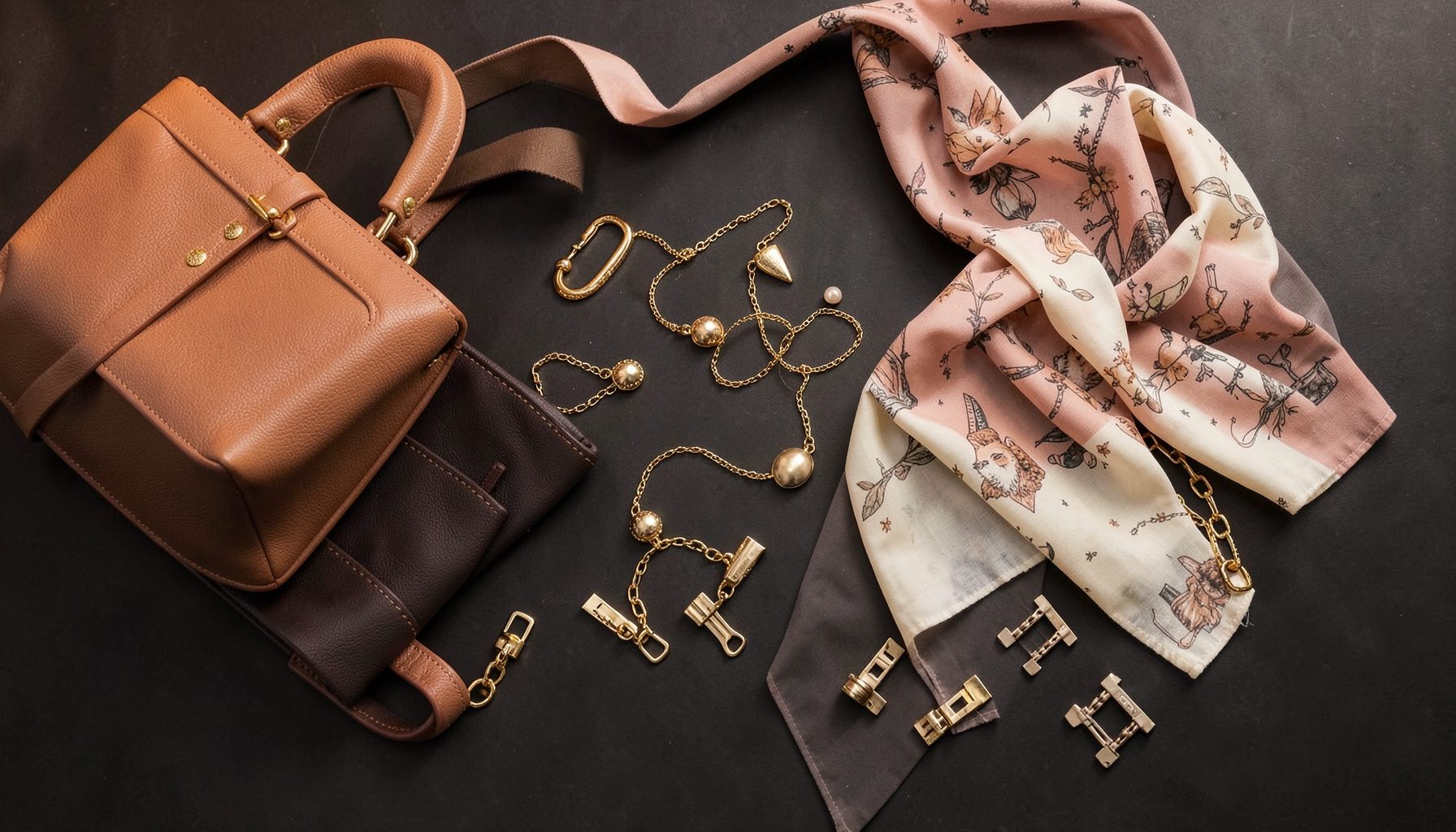
Accessories can add interest to a camera-ready outfit, but they should support your appearance rather than compete with your voice. Small hoops, studs, a delicate necklace, or a classic watch can provide a finished touch. Avoid pieces that catch the light, jingle when you move, or require frequent repositioning.
Hair and makeup should look intentional but remain comfortable. Keep hair away from your eyes, check that your face is evenly lit, and use makeup that reduces shine if needed. A tidy appearance matters more than a dramatic beauty look, especially when the conversation should remain focused on your skills.
Use these final styling recommendations before the call:
- Choose one polished focal piece, such as a blazer, colourful blouse, or elegant dress.
- Check that the neckline, sleeves, and fabric remain neat while seated.
- Select simple jewellery that will not reflect light or create noise.
- Wear comfortable footwear and underlayers, even when they are outside the frame.
- Keep a spare layer nearby in case the room becomes cold or the camera angle changes.
Affordable fashion pieces can make this process easier. A versatile blouse, neutral trousers, smart boots, or structured bag can move between interview outfits and everyday workwear, giving you more value from each purchase.
Prepare your clothing and setting together
Set out your outfit the evening before and inspect it for creases, loose threads, stains, or missing buttons. Steam or iron the visible areas, then sit down in the complete outfit. This catches practical issues such as a blazer bunching at the shoulders or a skirt riding up when seated.
Your background should complement what you wear. A pale wall may require a darker top, while a dark bookcase may work better with a lighter or medium-toned colour. Remove visual clutter, position the camera at eye level, and place lighting in front of you rather than directly behind you.
Keep water, your CV, and a notebook within reach, but avoid placing distracting objects in the frame. Log in early enough to test sound, camera focus, and your appearance. When the technical details and clothing are prepared, you can give your attention to answering clearly and showing your experience.
Create your interview-ready wardrobe with versatile dresses, blouses, jumpsuits, layers, shoes, and accessories from Sudeshna Das. Explore affordable sale styles, use free shipping on orders over £60, and choose pieces backed by secure SSL transactions and a 20–30 day return guarantee. A considered outfit can help you feel composed from the first greeting to the final answer.