How to dress for a job interview in a creative field
A creative interview gives you room to show personality, but that freedom still needs direction. Your outfit should communicate taste, confidence, and awareness of the company’s visual language before you say a word. The goal is to look considered rather than overly formal or casually unprepared.
Creative workplaces vary widely. A fashion studio may welcome expressive styling, while a design agency could favour contemporary minimalism. A photography, publishing, marketing, or media role may sit somewhere between the two. Research the organisation, look at its website and social feeds, and use those clues to shape your outfit.
The strongest interview look usually combines familiar wardrobe staples with one or two distinctive details. A good silhouette, clean shoes, and thoughtful accessories create a professional foundation, while colour, texture, or an unusual layer can show your point of view.
Read the culture before choosing an outfit
Start by identifying the workplace dress code. If employees appear in denim, trainers, and relaxed tailoring, a full business suit may make you seem disconnected from the environment. If the team works with luxury clients or formal presentations, polished separates or a sleek dress may be more appropriate.
Match the level of refinement without copying someone’s exact style. A creative role rewards individuality, but your clothing should support your credibility. Choose garments that fit well, look fresh, and allow you to move comfortably through the interview, office tour, or portfolio presentation.
Build a polished creative look
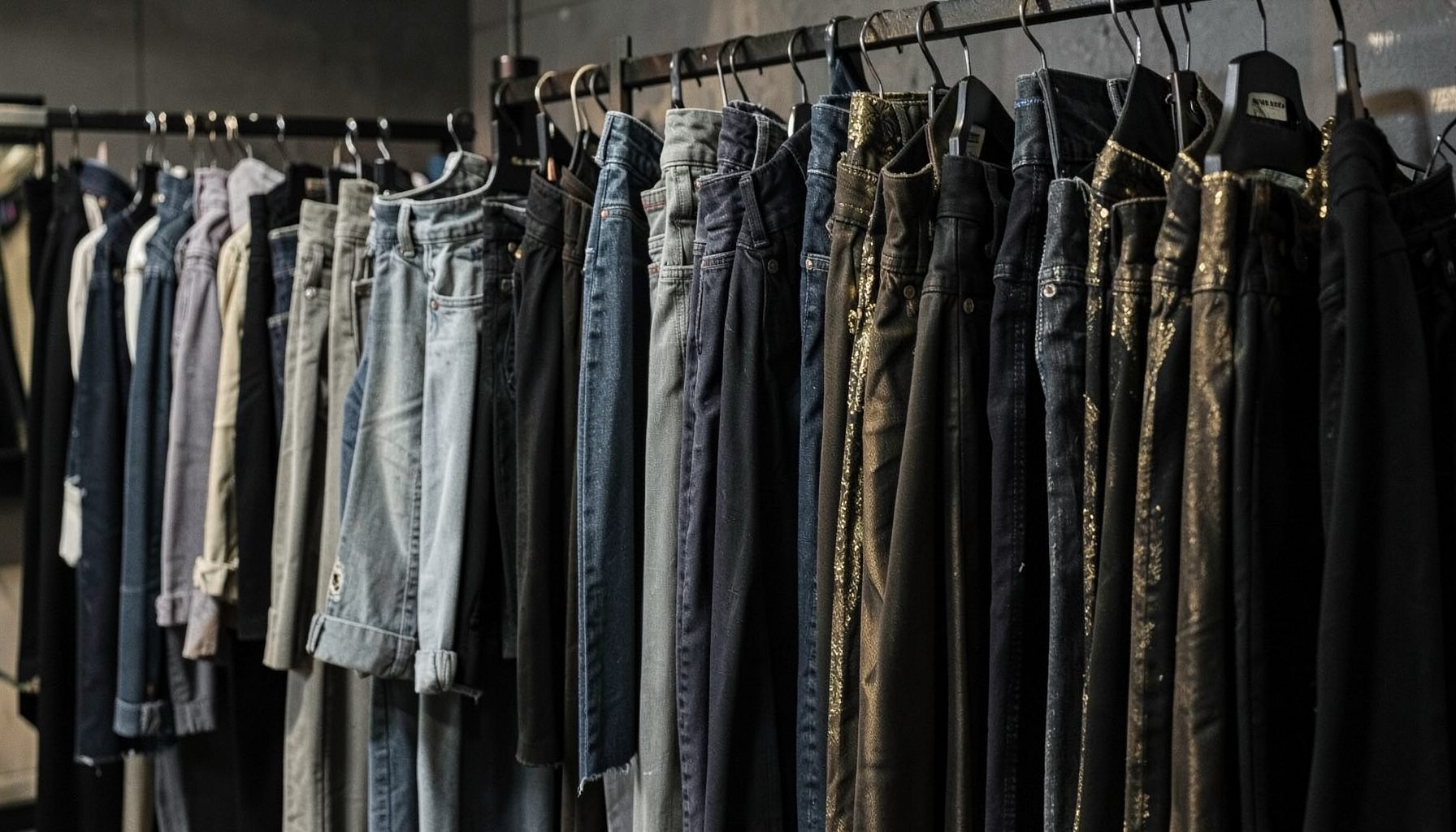
A structured base makes expressive styling easier. Try wide-leg trousers with a tucked-in blouse, a midi dress with ankle boots, or dark denim with a refined blazer. Jumpsuits can also create a complete outfit quickly; if you are petite, these jumpsuit styling ideas can help you choose proportions that lengthen the body without overwhelming your frame.
Keep the outfit balanced. If your trousers have a dramatic shape, pair them with a cleaner top. If you choose a printed dress, keep your shoes and bag relatively simple. This approach lets one feature lead while the rest of the look supports it.
Layering can add visual interest and flexibility. A cropped jacket, longline blazer, cardigan, or lightweight overshirt can change the shape of an outfit while helping you adapt to a cool studio or warm office. Make sure every layer sits smoothly and does not require constant adjustment.
Use colour, texture, and proportion
Colour is an effective way to express creativity without sacrificing professionalism. Navy, charcoal, cream, olive, burgundy, and chocolate brown feel sophisticated, while cobalt, pink, orange, or green can add energy in smaller doses. Consider your complexion and the setting’s branding, then choose a palette that feels intentional.
Texture can make a simple outfit appear more distinctive. Knitwear, satin, denim, suede-look footwear, ribbed fabrics, or subtle tailoring details bring depth to an otherwise neutral look. Avoid combining too many statement surfaces, particularly if you will be photographed or presenting work.
Proportion matters as much as colour. Balance oversized trousers with a neater top, or wear a relaxed jacket over a streamlined dress. Clothing that follows your shape without feeling restrictive generally appears more polished than garments that are either excessively tight or shapeless.
Match the outfit to the role
Different creative careers call for different visual signals. Use the role itself as a guide, then adapt the suggestions to your personal style and the company’s atmosphere.
| Creative role | A suitable outfit direction | Details that add personality |
|---|---|---|
| Graphic design | Tailored trousers, a simple knit, and clean boots | Geometric jewellery or a bold colour |
| Fashion or styling | Refined separates or a distinctive dress | Interesting texture, print, or accessories |
| Photography or film | Dark denim, a sharp jacket, and practical footwear | A sculptural bag or unusual layering |
| Marketing or publishing | Midi dress, blazer, or smart jumpsuit | A polished belt, watch, or colourful shoe |
| Interior or product design | Relaxed tailoring with quality basics | Natural tones, modern shapes, or tactile fabrics |
Your outfit should also work with the practical demands of the interview. A role that involves visiting a workshop, production space, or retail floor may call for shoes that are comfortable and stable. A client-facing position may benefit from a slightly sharper finish, such as a tailored jacket or structured handbag.
Make comfort part of professionalism
Uncomfortable clothing can distract you from answering questions. Test the outfit before the interview by sitting, walking, reaching for your portfolio, and checking how the fabric behaves. You should be able to move naturally without repeatedly pulling down a skirt, adjusting a neckline, or managing slipping shoes.
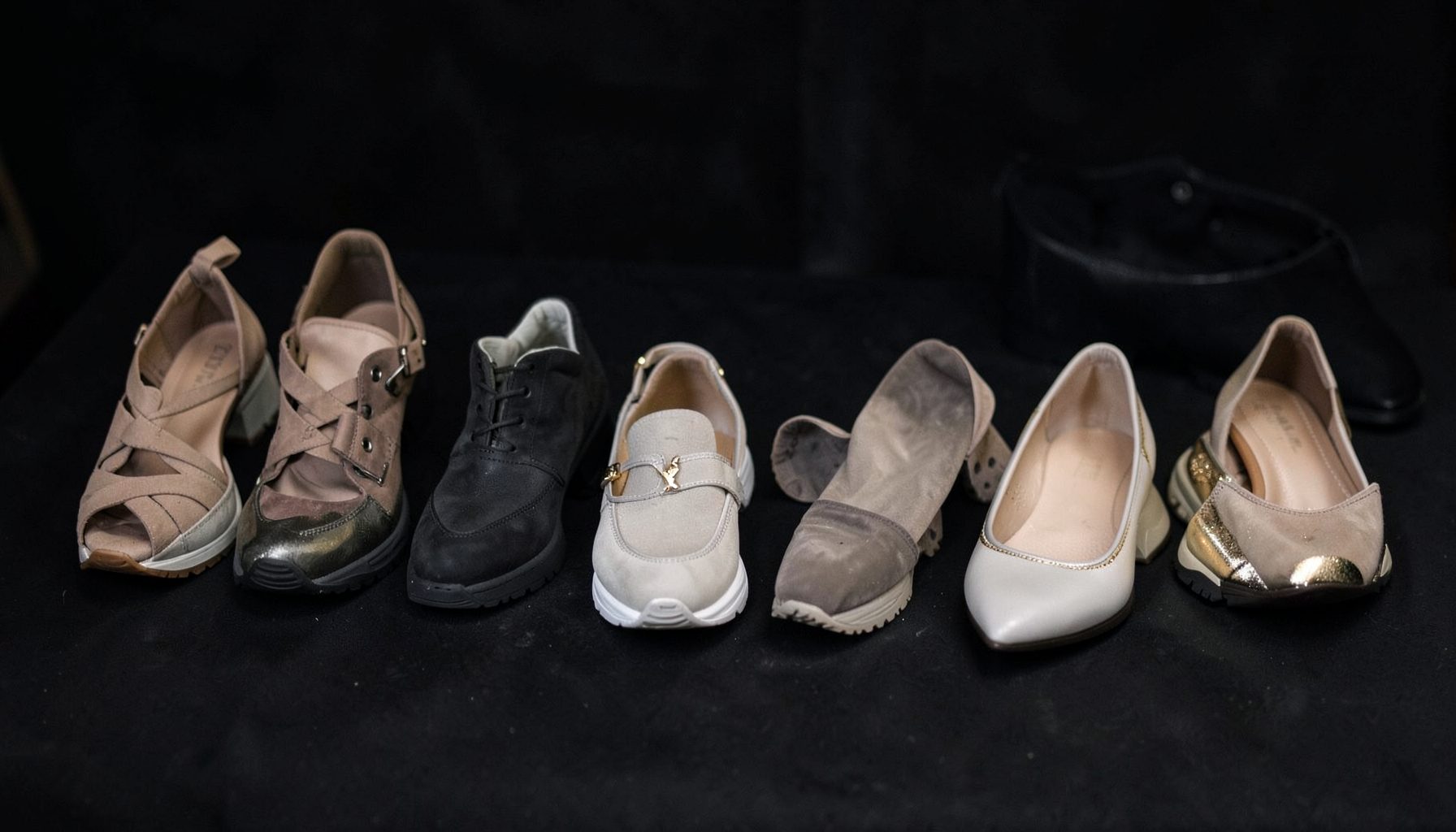
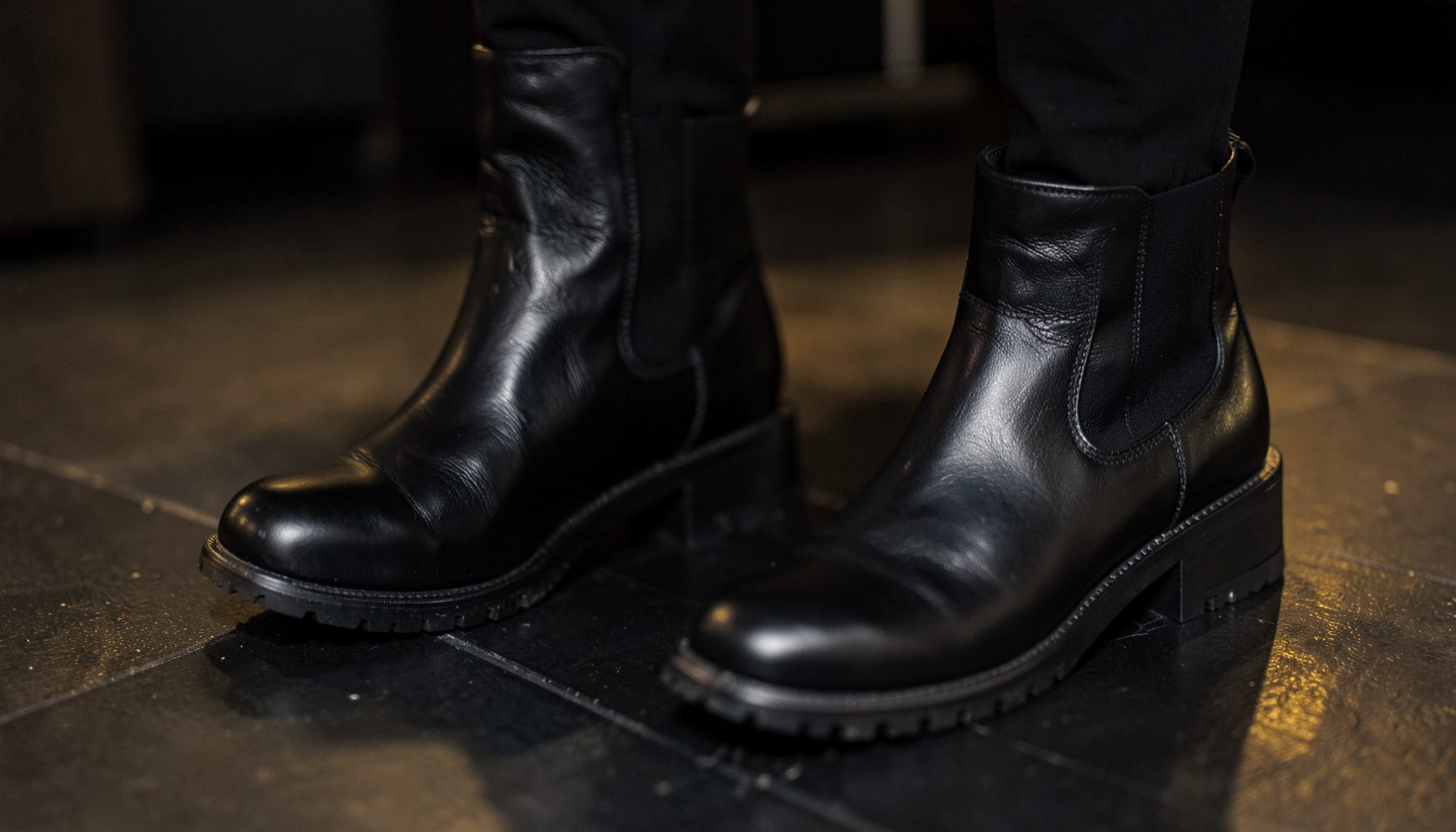
Footwear deserves particular attention. Boots, loafers, low heels, and smart flats can look polished while offering reliable support. If you choose statement shoes, make sure they are clean and in good condition. A scuffed heel or visibly worn trainer can undermine an otherwise carefully styled outfit.
Choose underwear and layers that remain discreet under different lighting. Steam or iron garments, remove lint, check buttons, and inspect hems. These small preparations create the impression that you are organised, observant, and ready to contribute.
Prepare the details that complete the look
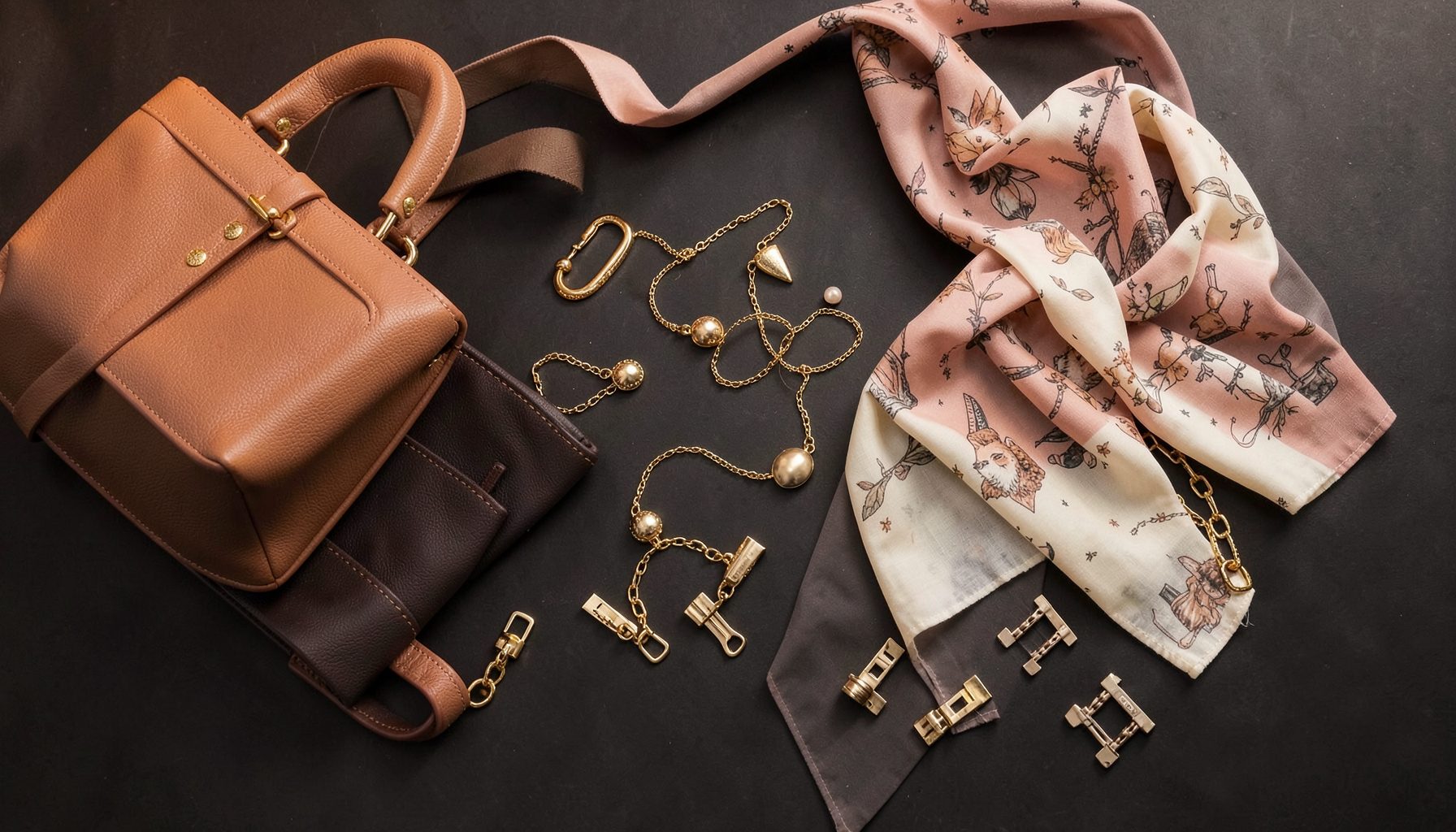
Accessories should support your outfit rather than compete with your portfolio or conversation. A small hoop earring, layered necklace, leather-look belt, or refined watch can add character. Choose a bag that holds your essentials and any printed materials without looking overfilled.
Grooming should feel aligned with your normal presentation. Neat hair, clean nails, fresh-looking skin, and a subtle fragrance are usually safer than dramatic changes made especially for the interview. Creative expression can appear through your clothing and accessories without requiring an entirely new persona.
Think about the visual story your look tells. A thoughtful outfit suggests that you understand presentation, notice details, and can make purposeful choices. Those qualities matter in many creative roles, whether you are developing campaigns, selecting products, styling customers, or building a brand identity.
Check these choices before interview day
Use this short preparation list to refine your outfit:
- Research the company’s team photos, website, and recent projects.
- Choose one expressive feature, such as colour, print, texture, or jewellery.
- Prioritise clean, comfortable shoes that suit the workplace.
- Try the complete outfit with your bag, coat, and portfolio.
- Photograph the look in natural light to check its proportions and balance.
Affordable fashion can still look highly considered when fit and coordination lead the decision. Explore dresses, denim, jumpsuits, boots, bags, and accessories as separate pieces that can work together across interviews, office days, and social occasions. Sale pricing can make it easier to add a polished layer or distinctive accessory without rebuilding your wardrobe.
When you feel comfortable in what you are wearing, your attention stays on the conversation and your ideas. Browse Sudeshna Das for versatile pieces that reflect your style, prepare your outfit in advance, and arrive ready to show both your creative perspective and your professional judgement.