Build a Signature Style That Feels Naturally Yours
Personal style is more than following seasonal trends. It is the visual language you use to express your mood, lifestyle, and confidence through clothing, shoes, accessories, and the way you combine them. A signature look makes getting dressed easier because your wardrobe begins to feel intentional rather than overcrowded.
Creating a recognisable aesthetic does not require an expensive designer wardrobe or a complete closet makeover. The strongest style identities usually develop from a clear understanding of what feels comfortable, flattering, practical, and genuinely exciting to wear.
Whether you prefer polished tailoring, relaxed denim, feminine dresses, sporty layers, or a creative mix, a few thoughtful decisions can help you define your personal fashion formula and make everyday outfits feel more consistent.
Notice what you already enjoy wearing
Start by reviewing the clothes you reach for most often. Look for repeated details such as neutral colours, fitted or oversized shapes, denim, boots, delicate jewellery, structured bags, or soft loungewear. These choices reveal your natural preferences more accurately than a fashion quiz or a passing trend.
Pay attention to the outfits that make you feel comfortable and self-assured. Consider why they work: perhaps high-waisted trousers create a balanced silhouette, while a simple shirt feels dependable for busy days. Your signature style should be built around these reliable elements instead of forcing yourself into an aesthetic that looks appealing but feels unfamiliar.
Define your visual style vocabulary
A useful next step is to choose three to five words that describe the image you want your wardrobe to communicate. Words such as refined, relaxed, romantic, modern, bold, minimal, playful, or practical can guide future purchases and reduce impulse shopping.
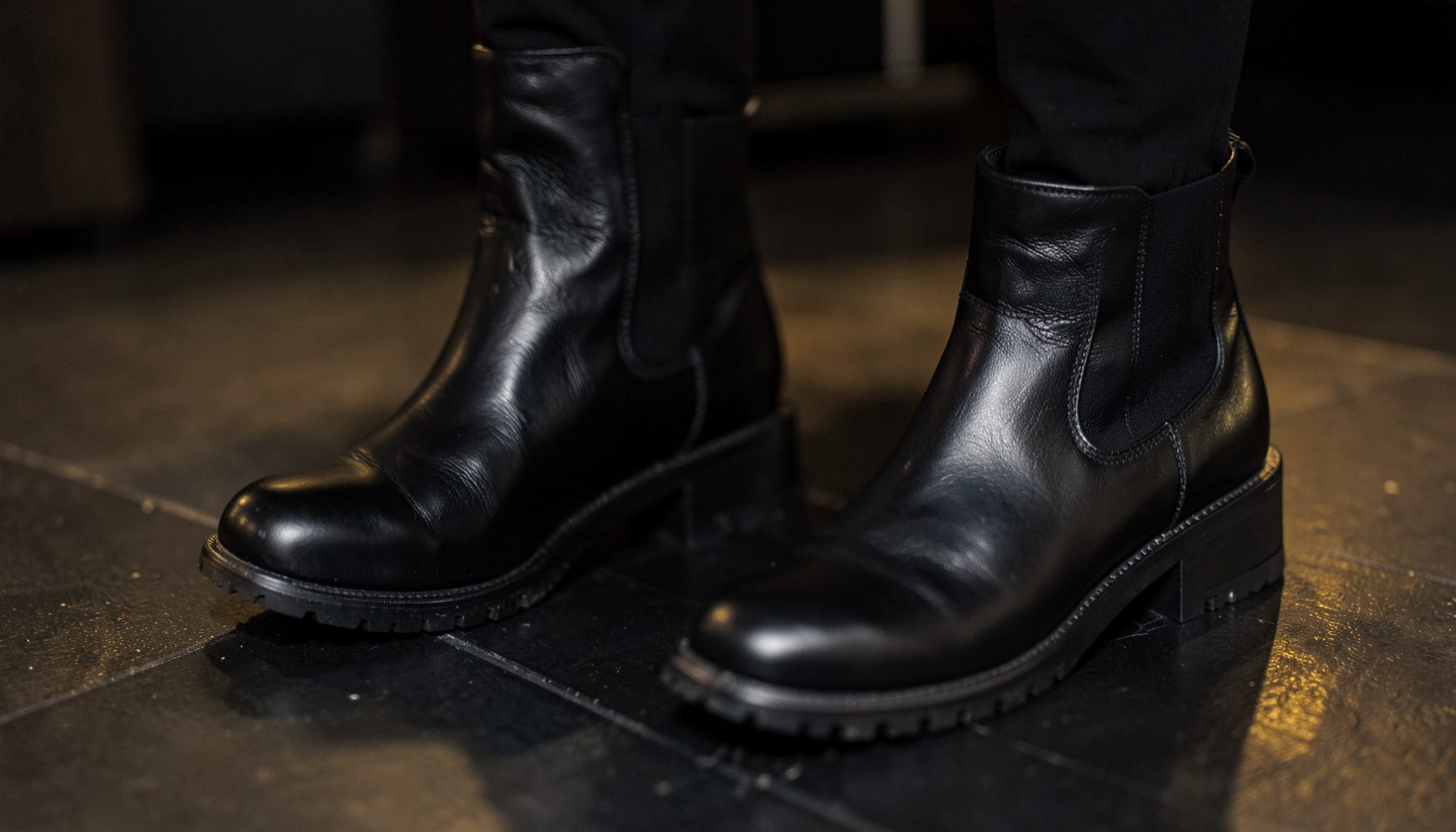
Translate those words into visible details. “Minimal” may mean clean lines and a restrained colour palette, while “romantic” could involve flowing dresses, soft fabrics, and subtle jewellery. If “modern” is part of your style vocabulary, sleek boots, contemporary denim, and simple geometric accessories may help express it.
Your style words can evolve as your lifestyle changes. They are a helpful framework, not a strict set of rules.
Create a dependable outfit formula
A signature wardrobe becomes easier to use when you have a few outfit formulas that work across different occasions. This might be a fitted top, straight-leg jeans, ankle boots, and a crossbody bag, or a midi dress paired with a lightweight jacket and understated jewellery.
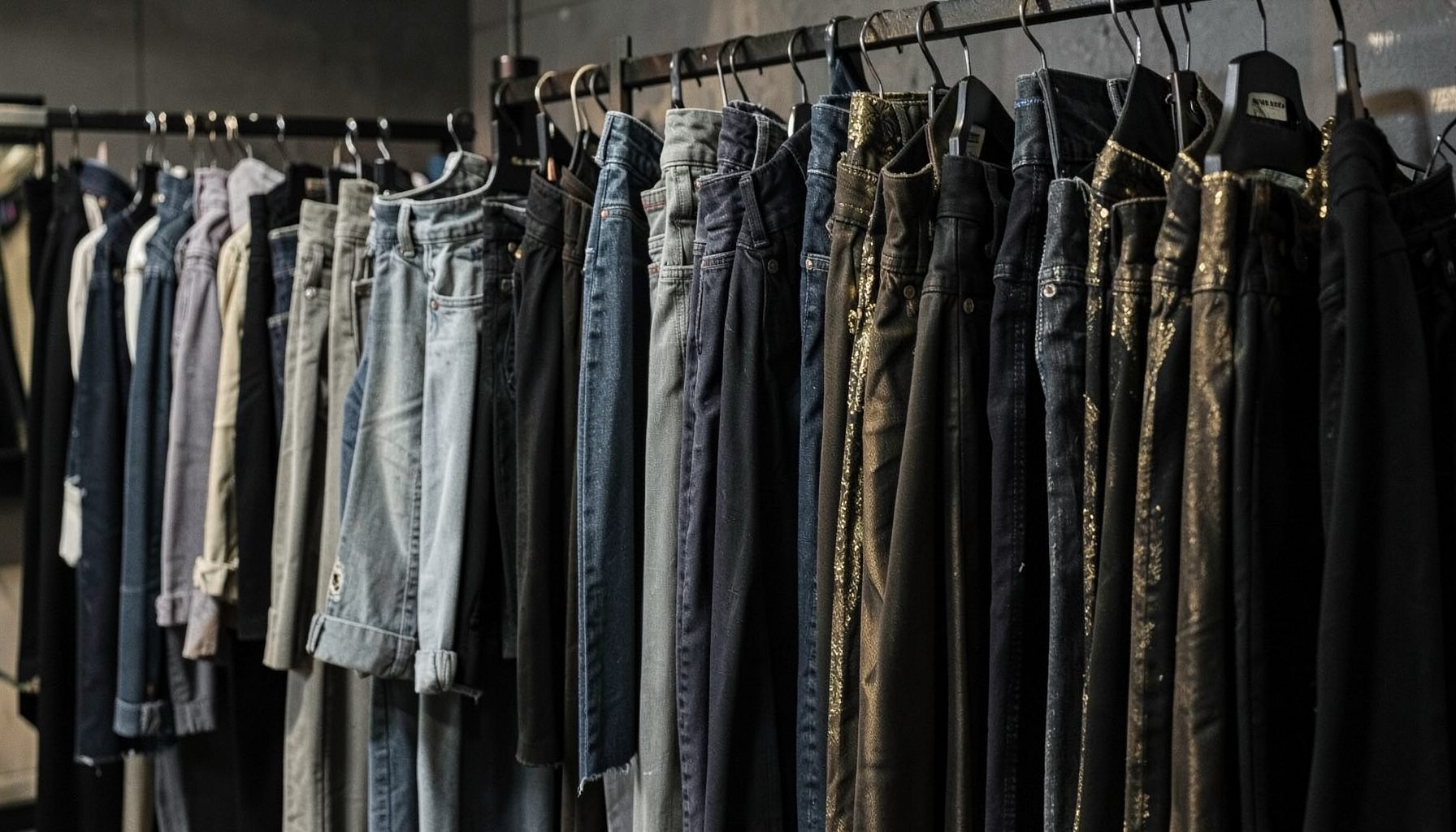
Think about the categories you need most. Someone with a busy office routine may benefit from polished separates and versatile shoes, while someone working from home may prioritise elevated knitwear, comfortable trousers, and practical layers. For inspiration across dresses, jumpsuits, denim, footwear, and accessories, explore the current clothing collection and identify pieces that can support several combinations.
| Wardrobe foundation | Useful styling role | Example pairings |
|---|---|---|
| Neutral base pieces | Create easy outfit foundations | Black trousers, white tops, denim |
| Distinctive colour | Add personality and recognition | Red bag, cobalt knit, emerald dress |
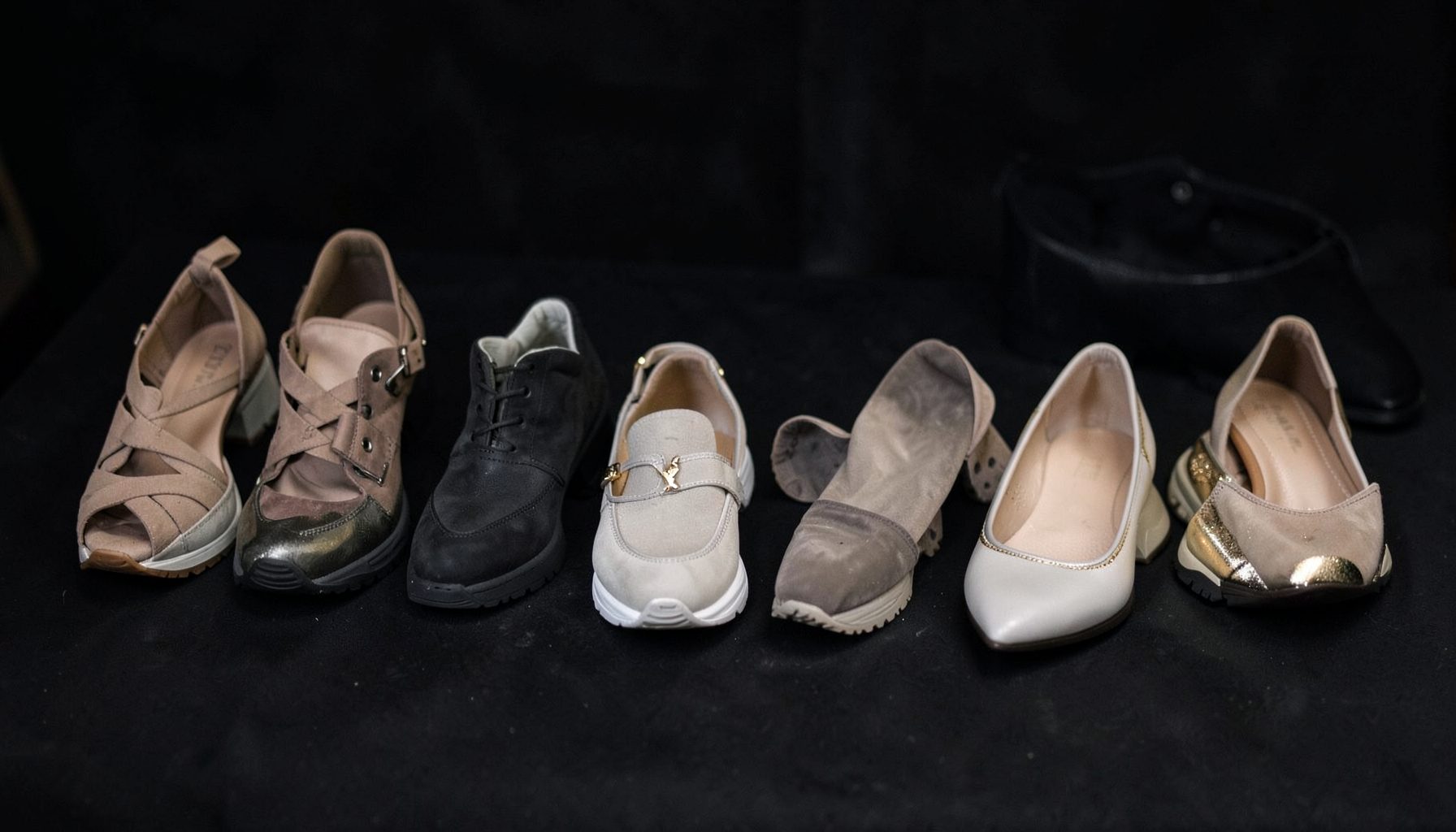
| Signature shoes | Anchor your overall aesthetic | Ankle boots, trainers, loafers |
| Layering pieces | Adapt outfits to weather and occasions | Blazer, cardigan, denim jacket |
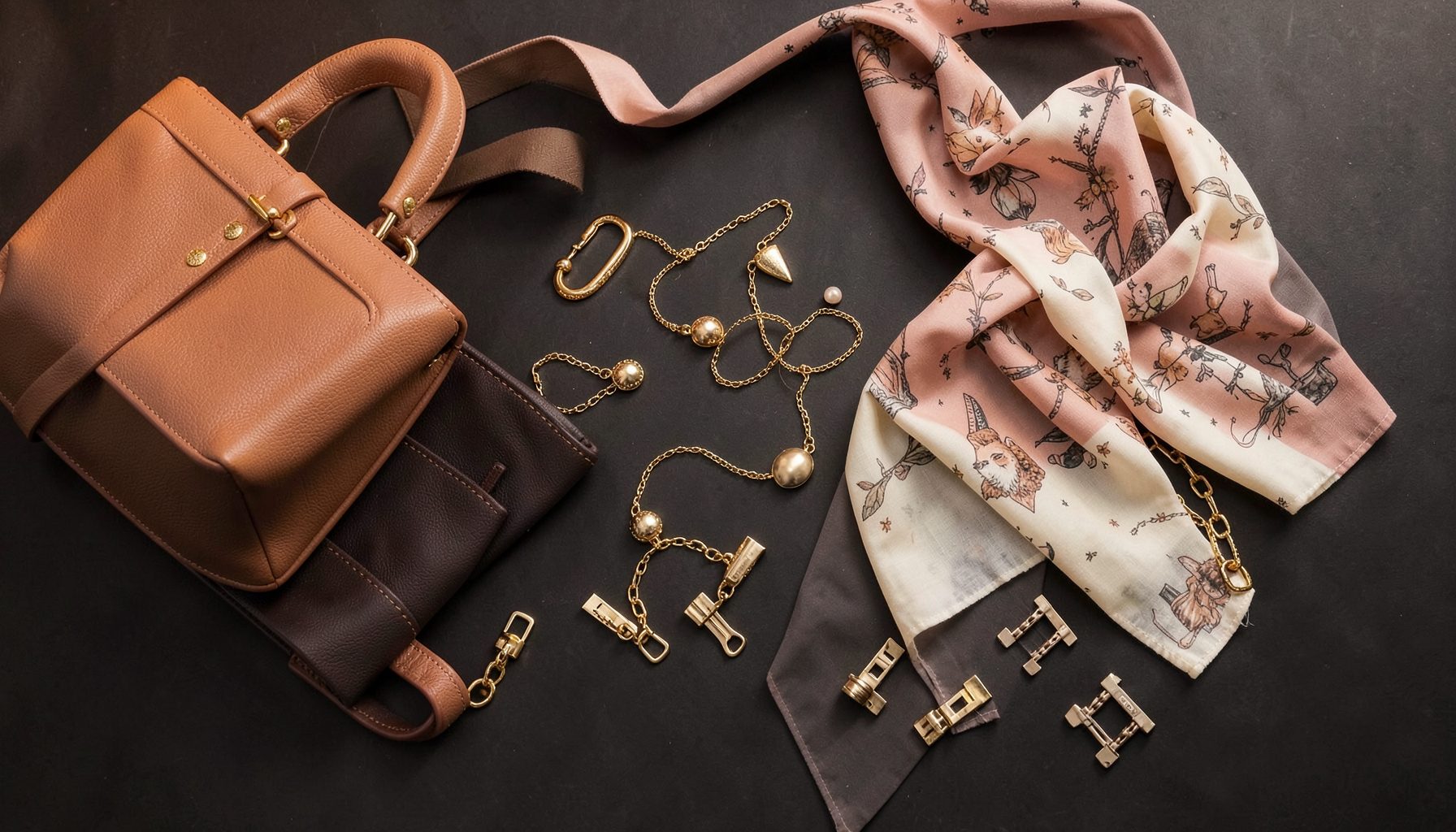
| Finishing accessories | Make simple outfits feel complete | Hoop earrings, belt, structured bag |
Choose a recognisable colour palette
Colour is one of the fastest ways to make a wardrobe look cohesive. Begin with two or three dependable neutrals, such as black, cream, navy, grey, camel, or denim. Then select one or two accent colours that bring energy to your outfits.
Your palette does not need to be restrictive. Use neutrals for expensive-looking foundations and introduce personality through knitwear, shoes, handbags, scarves, or jewellery. A consistent colour story also makes shopping easier because you can quickly judge whether a new item will work with what you already own.
Consider your everyday environment as well. Pale tones may suit a soft, understated wardrobe, while darker shades can create a sleek and practical feel. The best palette is one that reflects your taste and fits realistically into your routine.
Invest in details that become your trademark
A signature look often comes from small, repeated details rather than dramatic statement pieces. Perhaps you always wear layered necklaces, a particular shade of lipstick, rolled-up sleeves, pointed boots, or a belt that defines the waist. These finishing touches help create continuity between different outfits.
Accessories are especially useful because they can transform basic clothing without requiring a large investment. A simple jeans-and-shirt combination can look casual with trainers and a canvas bag, polished with loafers and a structured handbag, or evening-ready with heeled boots and sparkling earrings.
Choose details that are easy to maintain and comfortable enough to wear regularly. A trademark only becomes part of your image when it feels natural rather than carefully staged.
Edit your wardrobe with intention
Once you understand your aesthetic, assess what belongs in your closet. Keep pieces that fit well, support your lifestyle, and work with several other items. Set aside clothes that remain unworn because they are uncomfortable, difficult to style, or connected to an identity you have outgrown.
Use a “one item, three outfits” test before buying something new. If you can imagine it with existing trousers, a skirt, or a dressier layer, it is more likely to earn its place. This approach helps you build a versatile capsule wardrobe while leaving room for occasional statement pieces.
Quality does not always mean a high price. Look for comfortable fabrics, useful silhouettes, secure fastenings, and shoes that can handle your usual schedule. Affordable clothing can become a valuable part of a signature wardrobe when it is chosen thoughtfully.
Practical habits for a stronger personal aesthetic
Developing a clear look takes observation and repetition. Photograph outfits you enjoy, save styling references that reflect your real life, and notice which combinations receive compliments or make you feel especially confident. Over time, patterns will become easier to recognise.
Use these habits to keep your wardrobe focused:
- Define three style words and revisit them before major purchases.
- Build outfits around reliable basics before adding trend-led pieces.
- Select accessories that repeat a distinctive colour, shape, or texture.
- Keep a balanced mix of everyday clothing, occasionwear, shoes, and layers.
- Remove items that no longer fit your lifestyle, body, or personal identity.
A signature style should make clothing feel simpler, not create another source of pressure. Trends can be included when they support your existing aesthetic, but they should never replace your own judgement.
Begin with one outfit formula, one accent colour, and one finishing detail that feels authentically yours. Then browse Sudeshna Das for affordable pieces that can bring those choices into your everyday wardrobe, from relaxed essentials to occasion-ready fashion. Build slowly, style creatively, and let your distinctive look become clearer with every outfit.