
How to care for your handbags and keep them looking beautiful
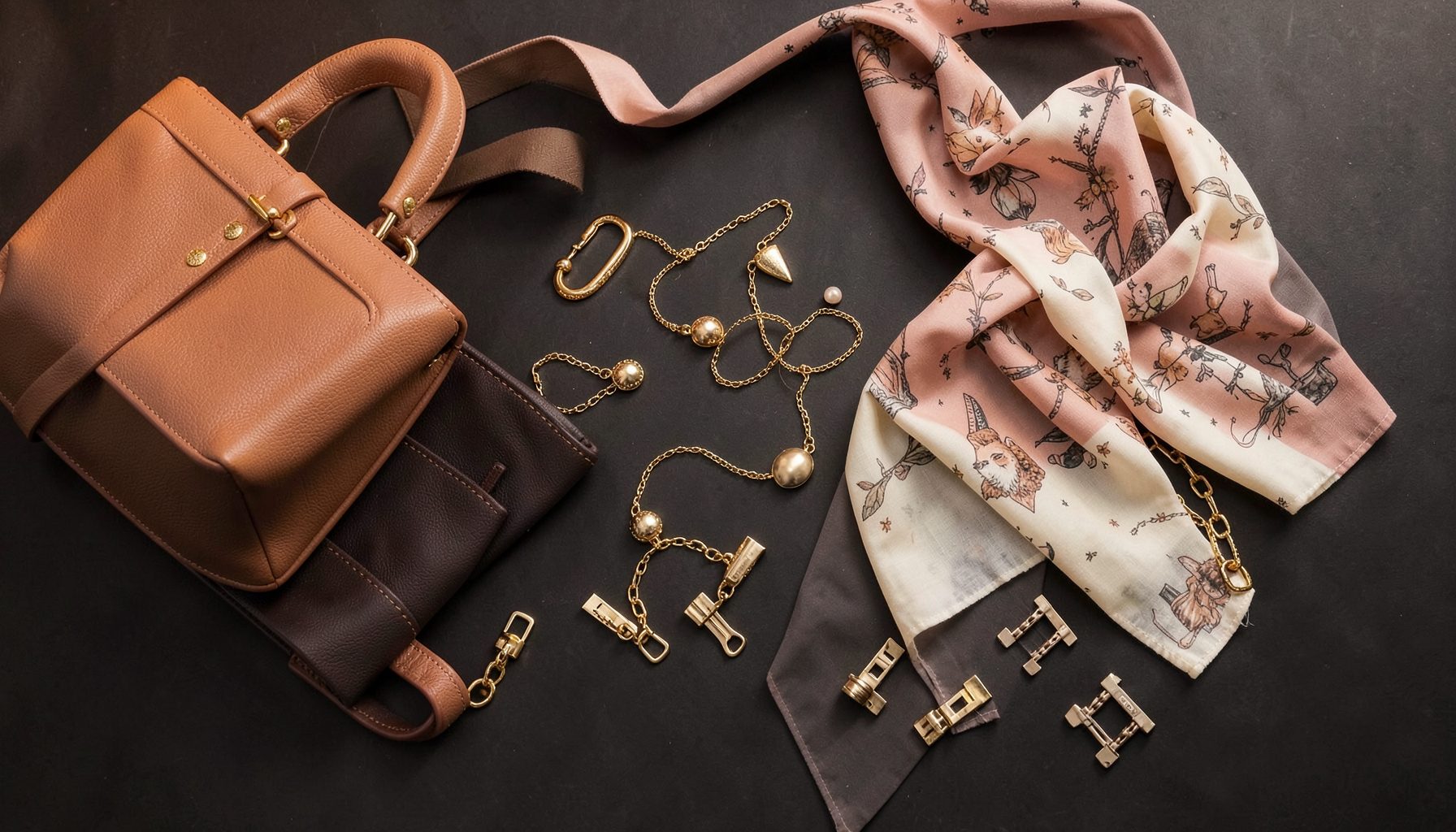
A well-chosen handbag can complete an outfit, carry your daily essentials, and remain useful for years. Whether you prefer a structured leather tote, a soft shoulder bag, a compact crossbody, or an evening clutch, regular maintenance helps preserve its shape, color, and finish.
Good handbag care does not require a complicated routine. The most important habits are using the right cleaning method, storing each bag properly, and dealing with spills before they become permanent stains. A little attention after each season can keep affordable and premium styles looking polished.
Understand your handbag’s material
Before cleaning a purse or applying any product, check its care label and identify the material. Leather, faux leather, suede, canvas, nylon, and woven fabrics all respond differently to moisture and friction. A method that works for a cotton tote may damage a delicate suede bag.
Leather usually benefits from gentle dusting and occasional conditioning with a product designed specifically for leather goods. Faux leather can often be wiped with a slightly damp cloth, but soaking it may cause peeling or cracking. Suede requires a dry suede brush, while fabric bags may need careful spot cleaning.
| Handbag material | Suitable routine | Avoid |
|---|---|---|
| Smooth leather | Soft cloth, leather cleaner, occasional conditioner | Excess water, household wipes, direct heat |
| Faux leather | Damp cloth and mild soap solution | Abrasive cleaners and prolonged moisture |
| Suede | Suede brush and specialist eraser | Oil, water, and vigorous rubbing |
| Canvas or cotton | Gentle spot cleaning and air drying | Bleach and high-heat drying |
| Nylon | Mild detergent and soft cloth | Strong solvents and rough scrubbing |
Create a simple cleaning routine
Start by emptying every pocket and shaking out crumbs or dust. Use a soft, dry cloth to wipe the outside, paying attention to corners, seams, handles, and areas that touch clothing. A clean makeup brush or soft toothbrush can help lift debris from small grooves without scratching the surface.
For a visible mark, test your cleaning solution on a hidden area first. Dab rather than scrub, and use very little liquid. Harsh household detergents, alcohol-based wipes, and nail polish remover can strip color or weaken a protective coating.
Clean the lining separately when possible. Turn it outward gently, remove loose debris, and use a barely damp cloth with a small amount of mild soap. Leave the bag open in a well-ventilated room until completely dry before using it again.
Store bags to protect their shape
Correct storage is essential for handbag longevity. Empty the bag before putting it away, then fill it lightly with acid-free tissue paper, a clean scarf, or a soft cotton pillowcase. This supports the structure without stretching the material. Avoid newspaper, as ink can transfer onto light-colored interiors.
Keep handbags upright on a shelf where possible, with enough space between them to prevent crushed handles and color transfer. Structured designs should not be stacked under heavy items. Soft bags can be stored flat, but avoid folding them sharply because permanent creases may form.
A breathable dust bag is ideal for long-term storage. If one is unavailable, use a cotton pillowcase rather than a plastic bag. Plastic can trap humidity, encouraging musty odors, mildew, or deterioration of synthetic finishes.
Handle moisture, stains, and spills
If a handbag gets wet, gently blot it with a clean absorbent cloth. Do not rub the surface, use a hairdryer, or place the bag beside a radiator. Rapid heat can dry leather unevenly, warp panels, and cause finishes to crack. Let the bag dry naturally at room temperature.
Oil, makeup, ink, and dark denim can create more difficult marks. Blot fresh spills quickly and avoid spreading them across the material. Suede and untreated leather may require professional cleaning, especially when the stain is large or deeply absorbed.
Water-repellent sprays can provide extra protection for some leather, canvas, or textile bags, but they are not suitable for every finish. Always read the product instructions and test a hidden section first. Protection should support good habits, not replace careful handling.
Match care to everyday use
The way a bag is used affects how often it needs attention. A daily tote may need weekly emptying and surface cleaning, while an occasional clutch may only need inspection before and after an event. Rotate your handbags so one style is not exposed constantly to friction, weather, and overloading.
Avoid carrying more weight than the bag was designed to hold. Heavy bottles, laptops, and large cosmetics can stretch handles, strain stitching, and distort the base. Use small pouches to separate pens, creams, and other items that could leak or mark the lining.
Small habits that make a difference
A few practical habits can prevent many common problems:
- Keep pens, cosmetics, and liquids inside sealed pouches.
- Wipe metal hardware with a dry microfiber cloth after regular use.
- Keep dark denim and damp clothing away from pale handbags.
- Never place a handbag directly on a wet, dirty, or rough surface.
- Alternate shoulder and hand-carry styles to reduce strain on straps.
Handles and corners often show wear first, so inspect them regularly. Loose threads, weak stitching, and damaged clasps are easier to repair when noticed early. Prompt repairs can protect the rest of the bag and prevent a small fault from becoming permanent damage.
Refresh your collection with confidence
Handbag maintenance is also a useful part of building a versatile wardrobe. A neutral shoulder bag may support everyday outfits, while a bright crossbody, spacious tote, or polished clutch can add variety to workwear and occasionwear. Choosing styles suited to your routine reduces unnecessary wear and makes each purchase more practical.
When browsing Sudeshna Das, consider the bag’s material, structure, closure, and intended use alongside its appearance. Affordable accessories can remain part of your wardrobe for a long time when they are stored carefully, protected from spills, and used within their limits.
Give your current collection a quick inspection today, clean each piece according to its material, and prepare a suitable storage space. Then explore handbags and coordinating clothing, shoes, and accessories at Sudeshna Das to create complete looks that stay stylish through everyday wear.