
How to Care for Leather Boots and Keep Them Looking New
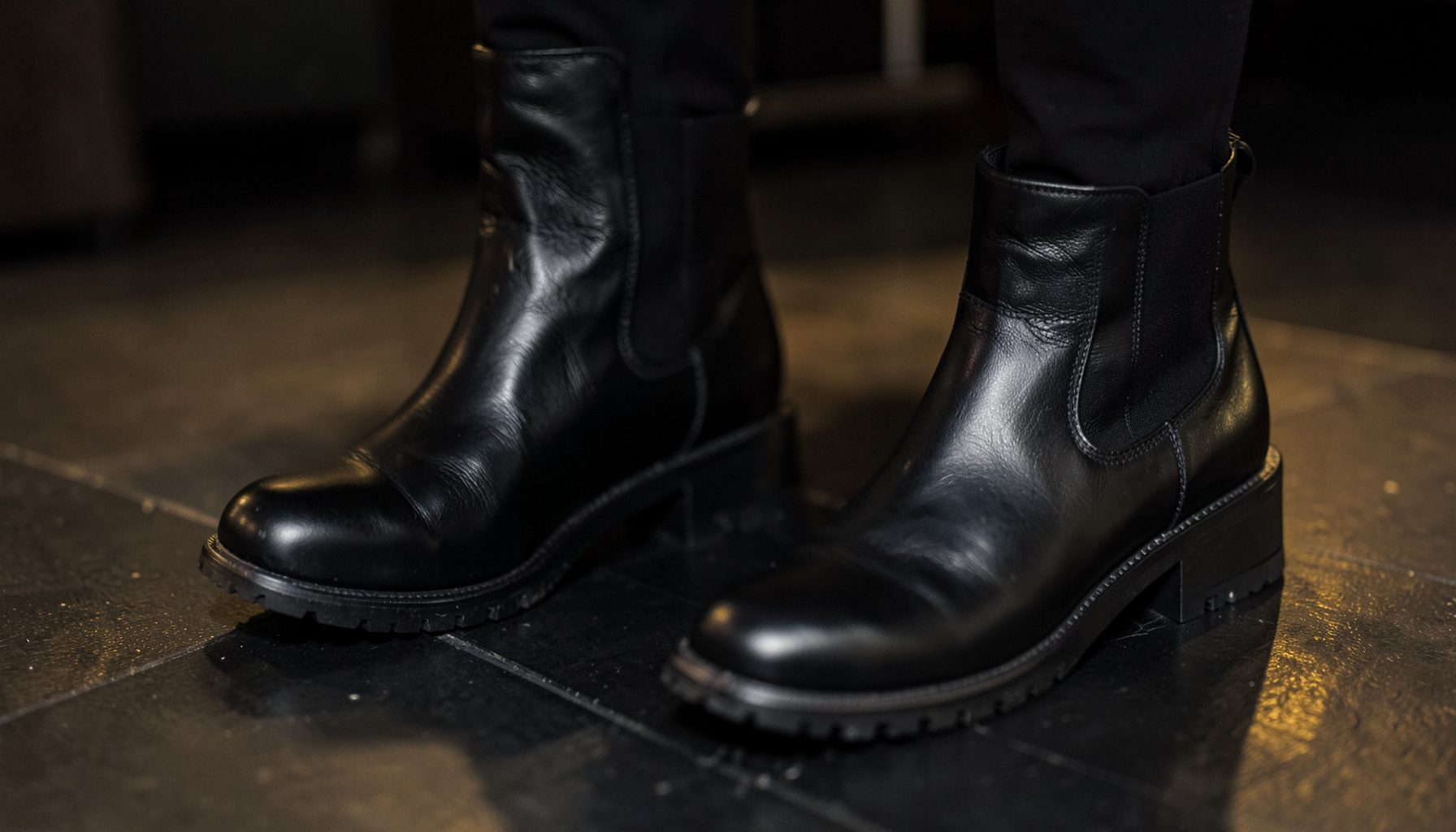
A good pair of leather boots can become one of the most dependable items in your wardrobe. With regular cleaning, conditioning, and sensible storage, quality leather footwear can stay comfortable, polished, and ready for changing seasons.
Leather is a natural material, so it responds to moisture, heat, dirt, and friction. A simple maintenance routine helps prevent cracking, stains, salt marks, fading, and unpleasant odours before they become difficult to manage.
Whether you wear ankle boots with denim, knee-high styles with dresses, or sturdy footwear for daily commutes, the right care keeps your boots looking smart and helps protect your investment.
Identify The Leather First
Before applying any product, check the care label or manufacturer’s instructions. Smooth-grain leather, suede, nubuck, patent leather, and faux leather each require different treatments. A cream suitable for polished leather may permanently mark suede, while oils can dull a glossy finish.
If you are unsure about the material, test any cleaner or conditioner on a hidden section first. Wait until the area dries before treating the rest of the boot. This small test can reveal colour changes, darkening, or texture problems.
Clean Boots After Regular Wear
Remove surface dirt with a soft horsehair brush or clean cotton cloth. Pay attention to the welt, seams, heel, and areas around the laces, where dust often collects. Brushing after each few wears prevents grit from rubbing into the leather.
For light marks, use a slightly damp cloth rather than soaking the boot. If the footwear is muddy, allow the dirt to dry naturally, brush it away, and then wipe the remaining residue. Avoid washing leather boots under running water, as excess moisture can weaken adhesives and distort the shape.
Salt stains from winter roads need prompt attention. Dab them gently with a cloth lightly moistened with a solution of equal parts water and white vinegar, then wipe with clean water and let the boots dry slowly.
Condition And Polish Carefully
Leather conditioner replenishes some of the oils that are lost through wear, dry air, and exposure to rain. Apply a small amount with a soft cloth, work in thin layers, and allow the product to absorb before buffing. Conditioning every few weeks during heavy use is usually sufficient; over-conditioning can leave leather greasy and soft.
Polish adds colour, shine, and a light protective layer. Choose a shade that matches the boots, or use a neutral formula when an exact match is unavailable. Apply polish sparingly, let it settle, then buff in small circular motions. For a high-gloss toe, several thin coats work better than one heavy application.
| Boot material | Best routine | Suitable products | Avoid |
|---|---|---|---|
| Smooth leather | Brush, clean, condition, polish | Leather cream, wax polish | Harsh detergent and soaking |
| Suede | Dry brush and spot-clean | Suede brush, suede eraser | Leather wax and oily conditioners |
| Nubuck | Brush gently and protect | Nubuck cleaner, spray protector | Heavy rubbing and standard polish |
| Patent leather | Wipe and dry softly | Patent leather cleaner | Abrasive cloths and heat |
| Faux leather | Wipe with mild soap solution | Water-based cleaner | Solvent-based products |
Protect Leather From Water And Heat
A water-repellent spray can help reduce staining from light rain, but it does not make leather completely waterproof. Apply the spray outdoors or in a well-ventilated space, follow the label, and allow the boots to dry fully before wearing them. Reapply when water stops beading on the surface.
Wet boots should never be placed directly beside a radiator, heater, fire, or hair dryer. High heat can shrink leather, harden the finish, and cause cracking. Remove the insoles if possible, stuff the boots with plain paper or boot trees, and leave them in a cool room until completely dry.
Replace newspaper if it becomes damp. Avoid coloured paper, which may transfer ink to the lining. Wooden boot trees are especially useful because they absorb moisture while helping preserve the shape of the shaft and toe.
Store Footwear In Good Conditions
Clean and condition boots before putting them away for a long period. Store them upright in a breathable cotton bag or their original box, away from direct sunlight and damp cupboards. Plastic bags can trap moisture and encourage mildew.
Do not fold tall boot shafts sharply. Use boot shapers, rolled towels, or acid-free paper to support them. Keep pairs away from heavy items that could flatten the leather or bend decorative details.
For a well-organised wardrobe, keep everyday shoes separate from occasion footwear. If you order a new pair online, checking order tracking details can help you plan delivery so the boots are ready for a seasonal outfit or upcoming event.
Repair Small Problems Early
Loose stitching, worn heel tips, peeling soles, and broken zips should be addressed quickly. A cobbler can often repair these issues before they affect the structure of the boot. Continuing to wear damaged footwear may create uneven wear and make repairs more expensive.
Scuffed toes can often be improved with matching cream polish, while deep scratches may need professional treatment. Do not use household oils, alcohol, bleach, or furniture polish as substitutes for leather care products. These can stain the surface or remove protective finishes.
A practical routine keeps maintenance manageable:
- Brush away dirt after muddy or wet outings.
- Condition smooth leather when it begins to look dry.
- Use material-specific products for suede and nubuck.
- Dry damp boots slowly with paper or boot trees.
- Check soles, heels, and stitching at the start of each season.
Build A Reliable Boot Care Kit
A compact kit does not need to be expensive. Keep a soft brush, lint-free cloths, suitable cleaner, conditioner, polish, water-repellent spray, and spare laces together. Having these items available makes it easier to deal with stains before they settle.
Use separate brushes and cloths for light and dark footwear to prevent colour transfer. Label products clearly, and keep them sealed in a cool, dry place. Always follow application instructions, particularly for sprays and strong cleaning solutions.
With consistent care, leather boots can remain flexible, presentable, and comfortable through busy weeks and changing weather. Browse versatile footwear and outfit essentials at Sudeshna Das, then give every new pair the cleaning, protection, and storage routine it needs from the very first wear.