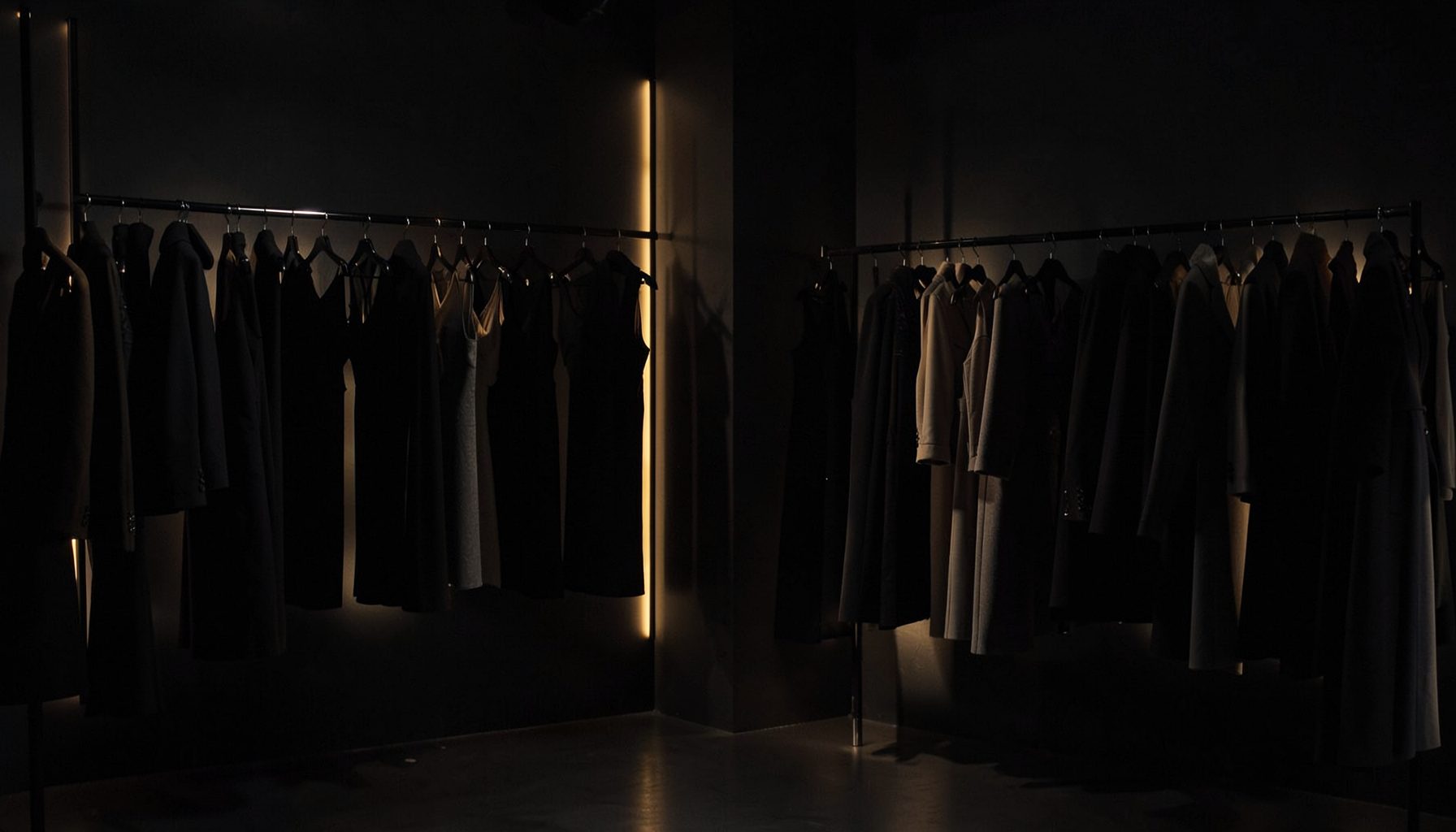
How to care for delicate fabrics and keep clothes beautiful
Delicate fabrics bring softness, movement, and texture to a wardrobe, but they need a gentler routine than everyday cotton or sturdy denim. Silk blouses, lace trims, cashmere knitwear, satin skirts, and fine activewear can lose their shape, colour, or smooth finish when they are washed or stored carelessly.
A little attention makes a significant difference. Checking the care label, choosing the right detergent, and avoiding unnecessary heat can help clothing last longer and continue looking polished. These habits are especially useful when building complete outfits from versatile pieces that move between work, weekends, and special occasions.
Read the care label first
Care labels provide the safest starting point for cleaning any garment. Look for instructions such as hand wash, dry clean only, cool wash, or line dry. Symbols also indicate whether an item can be ironed, tumble dried, or bleached. If the label recommends professional cleaning, follow that advice rather than testing an uncertain home method.
Before washing, inspect the fabric and construction. Beading, sequins, fine straps, underwiring, pleats, and delicate fastenings may require extra protection. Empty pockets, close zips, and fasten hooks where possible so they do not catch on lightweight materials.
Sort and prepare garments carefully
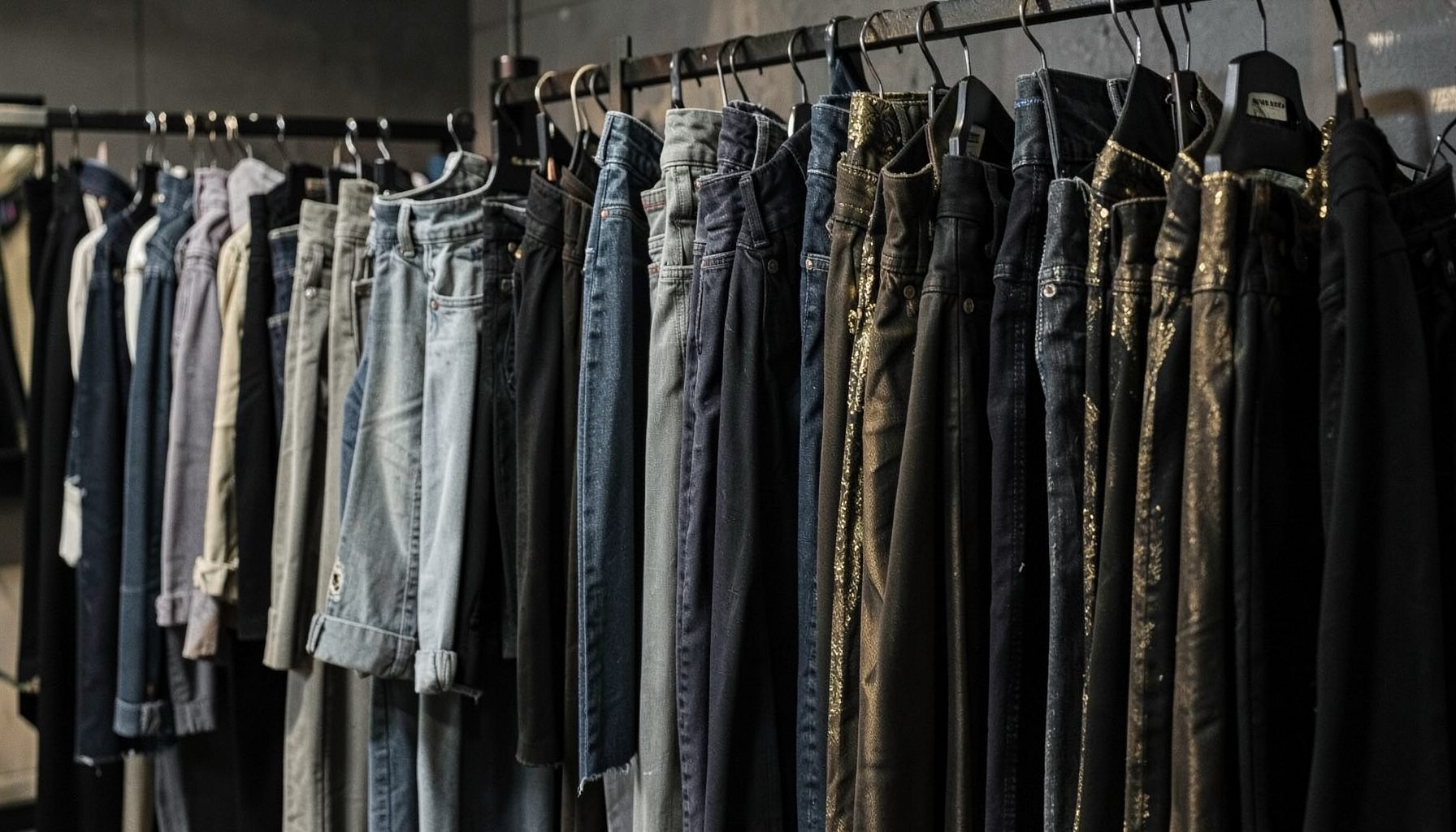
Separate delicate clothing from heavy items such as jeans, towels, and boots. Rough surfaces and metal hardware can cause pilling, snags, or abrasion during a wash cycle. Sort by colour as well, keeping dark, bright, and pale garments apart to reduce dye transfer.
Turn dresses, jumpsuits, leggings, and embellished tops inside out before cleaning. Place especially fragile pieces in a mesh laundry bag, but avoid overfilling it. A garment needs enough room for water and detergent to move through the fibres without creating excessive friction.
Choose a gentle washing method
Hand washing is often the safest option for silk, lace, cashmere, chiffon, and other fine materials. Fill a clean basin with cool or lukewarm water, add a small amount of mild detergent, and submerge the garment. Move it gently through the water without scrubbing, twisting, or rubbing stained areas aggressively.
Allow the item to soak only for the period recommended on the label. Rinse with cool water until no detergent remains, then press out excess moisture carefully. Never wring delicate fabric, as twisting can stretch seams and permanently distort its shape.
For machine-washable items, select a delicate or wool cycle with a low spin speed. Use a small quantity of gentle liquid detergent. Fabric softener is not always suitable, particularly for technical activewear, because it can coat performance fibres and reduce breathability or moisture-wicking properties.
| Fabric or finish | Preferred cleaning method | Drying approach | Main concern |
|---|---|---|---|
| Silk and satin | Cool hand wash or professional cleaning | Lay flat or hang as directed | Water marks, snags, and heat |
| Lace and chiffon | Hand wash in a mesh bag | Reshape and air dry | Pulling and stretching |
| Cashmere and wool | Wool detergent and cool wash | Dry flat on a towel | Shrinkage and loss of shape |
| Viscose and rayon | Follow the label closely | Air dry without twisting | Weakness when wet |
| Stretch activewear | Cool gentle machine wash | Air dry away from heat | Fibre damage and odour retention |
| Embellished garments | Hand wash or dry clean | Dry flat if appropriate | Loose decorations and snagging |
Remove stains without damaging fibres
Treat spills as soon as possible, but avoid vigorous rubbing. Blot liquid stains with a clean, white cloth to lift moisture from the surface. Rubbing can push the stain deeper and create a noticeable patch, especially on velvet, satin, or brushed fabrics.
Test any stain treatment on an inside seam or hidden hem before applying it to a visible area. Avoid chlorine bleach unless the care label specifically permits it. For valuable occasionwear, structured pieces, or unknown stains, a reputable cleaner is usually safer than repeated home treatments.
Oil-based marks, makeup, and wine may require different solutions, so a universal household cleaner is rarely ideal. Too much detergent can also leave residue and attract dirt. Use the smallest effective amount and rinse thoroughly.
Dry and press with less heat
Heat is one of the most common causes of shrinkage, colour fading, and weakened fibres. Unless the label says otherwise, air dry delicate clothing away from direct sunlight and radiators. Strong sunlight may fade rich colours, while intense heat can damage elastic and synthetic blends.
Reshape knitwear and viscose garments while damp, then dry them flat on a clean towel. Hanging heavy wet items can stretch shoulders and create unwanted length. Lightweight dresses and blouses may be hung on a padded hanger once they are no longer dripping.
If ironing is allowed, use the lowest suitable temperature and place a thin cloth between the iron and the garment. Steam can help release creases, but keep the steamer at a safe distance from fragile surfaces, printed details, and glued embellishments.
Store clothes to protect their shape
Clean garments before long-term storage, since invisible oils and perspiration can attract insects or create stains over time. Fold knitwear, satin bias-cut pieces, and stretchy garments rather than leaving them on hangers for months. Padded or shaped hangers are better for tailored dresses and blouses than thin wire versions.
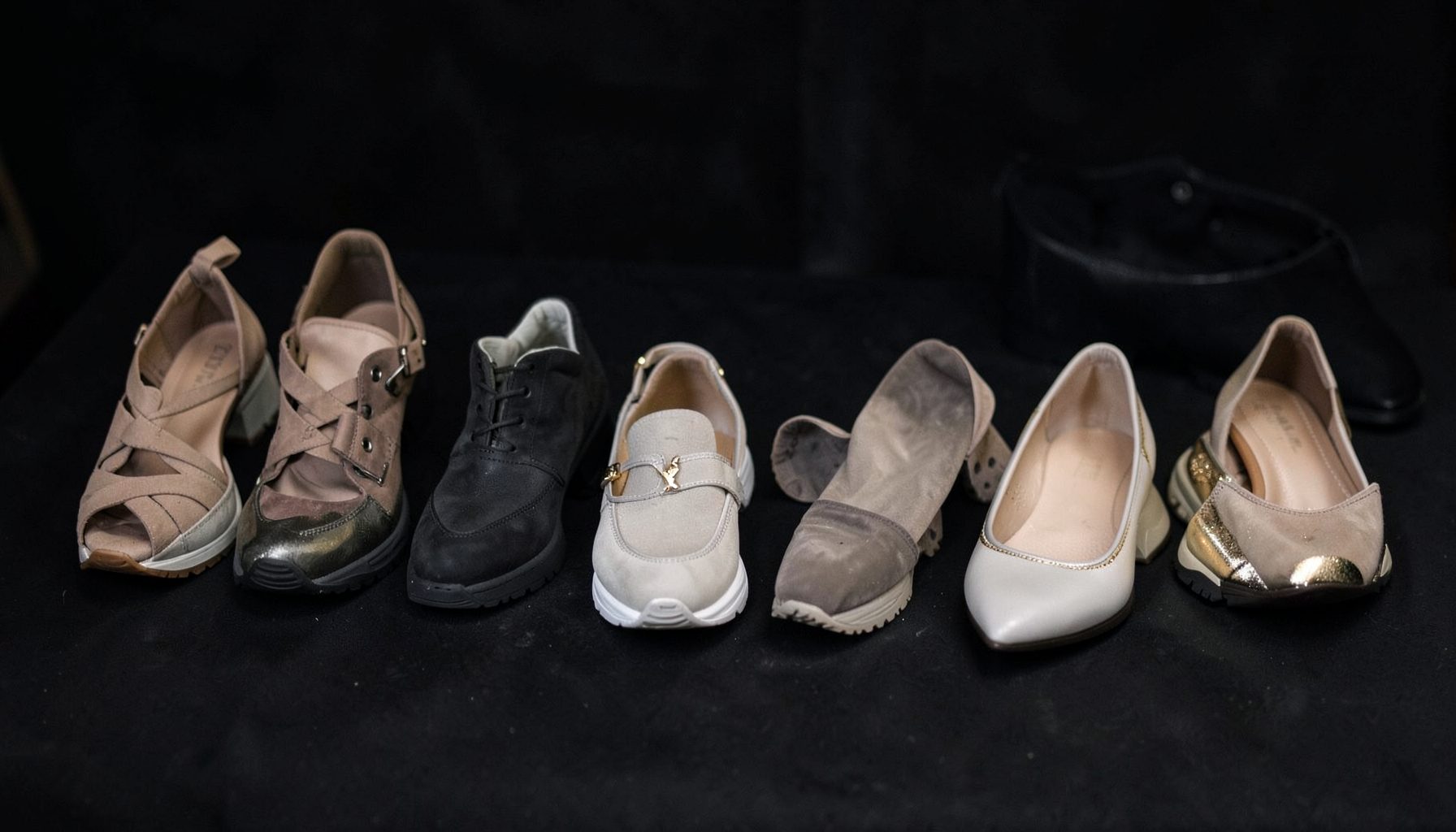
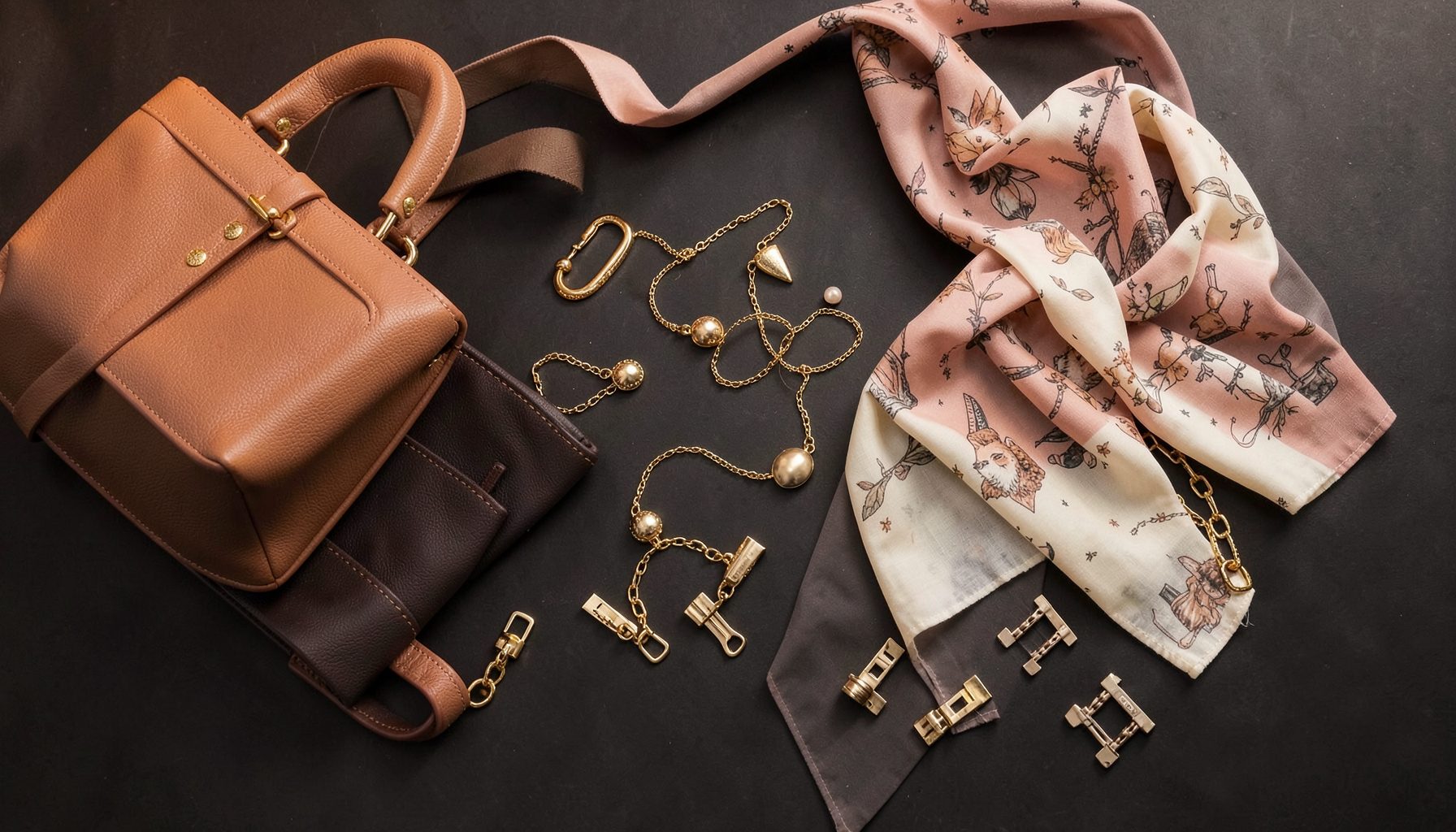
Keep clothing in a cool, dry, well-ventilated space. Avoid tightly packed drawers and plastic bags that trap moisture. Breathable garment covers can protect occasionwear from dust while allowing air circulation. Store bags upright where possible, stuff boots lightly to preserve their shape, and keep jewelry in separate compartments to prevent scratches and tangling.
Simple habits that protect fine clothing
- Wash delicate items only when they genuinely need cleaning.
- Use cool water and a mild detergent suited to the fibre.
- Keep fragile garments away from rough textures and sharp hardware.
- Dry naturally whenever the care label allows it.
- Repair loose threads, missing buttons, or small snags before they worsen.
Build a longer-lasting wardrobe
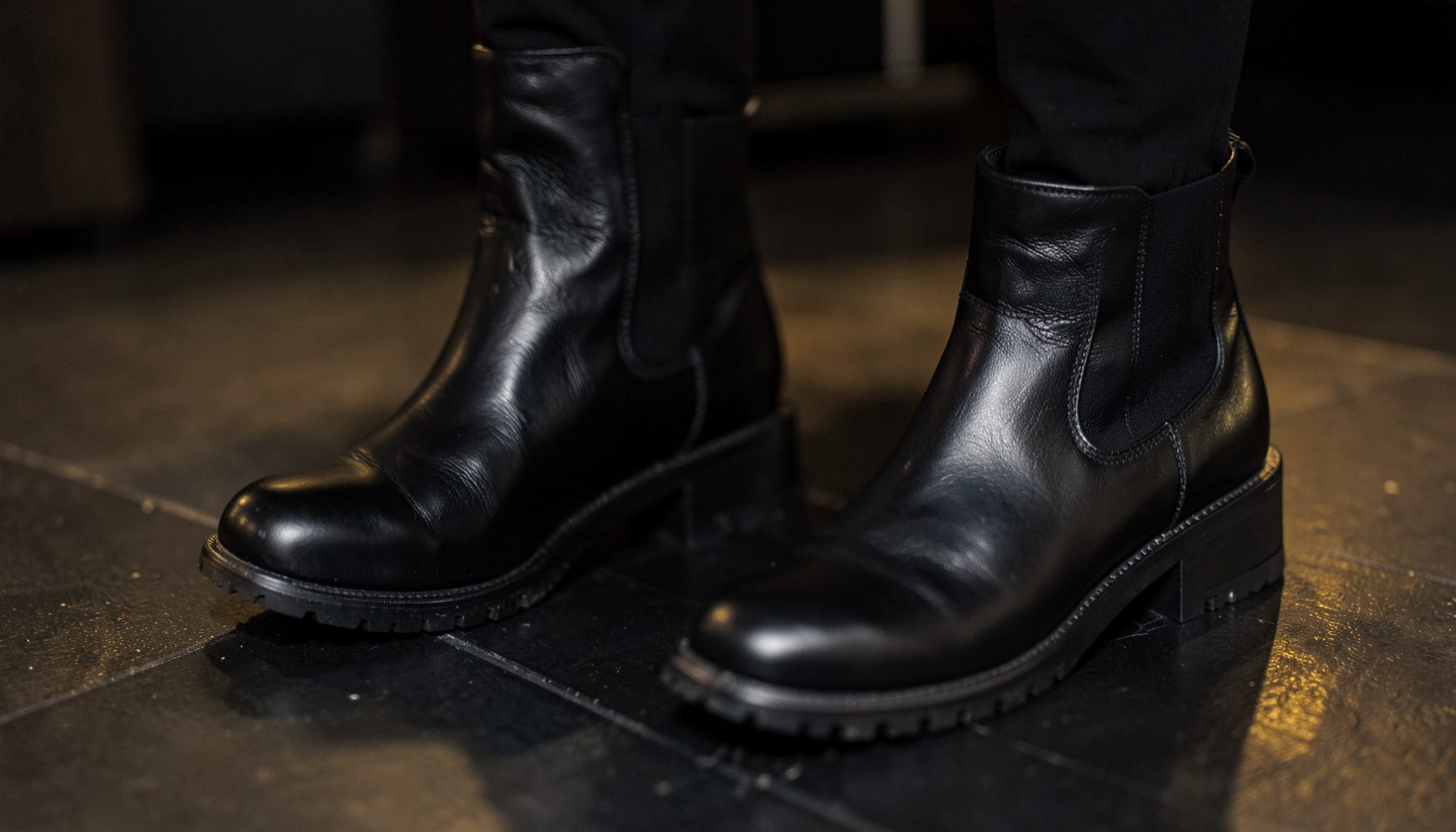
Thoughtful care helps affordable wardrobe essentials deliver more wear, whether they are soft loungewear, an elegant dress, everyday denim, or a pair of statement boots. When fabrics retain their colour, fit, and finish, it becomes easier to create polished outfits without constantly replacing favourite pieces.
Explore clothing, shoes, bags, and accessories at Sudeshna Das to refresh your wardrobe with practical everyday styles and occasion-ready looks. Choose pieces that suit your routine, check their care instructions, and give each garment the gentle treatment that helps it stay beautiful.