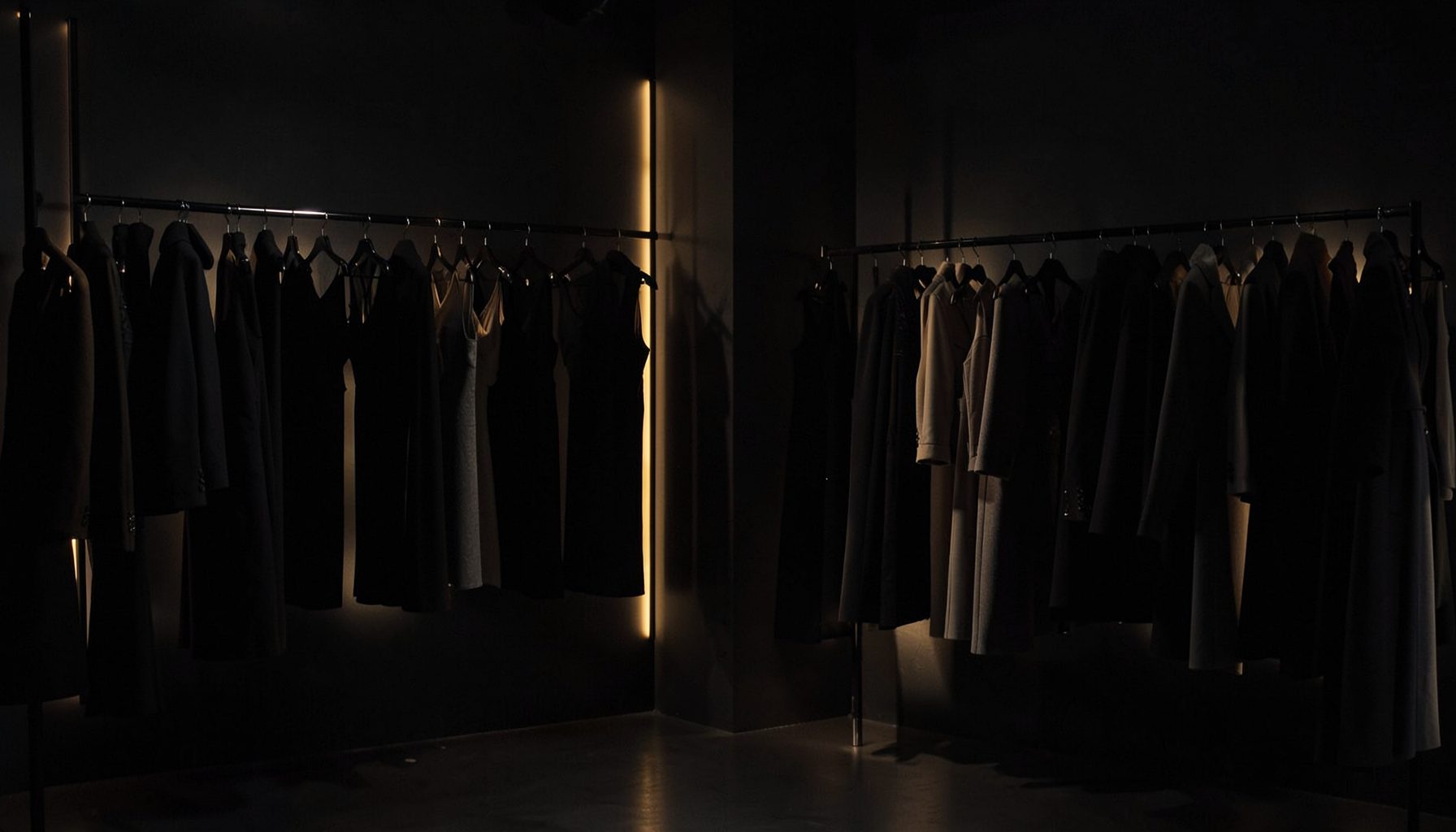
How to build a capsule wardrobe on a budget
A capsule wardrobe is a carefully edited collection of clothing that works together across seasons, occasions, and routines. Instead of filling your closet with items that rarely leave the hanger, you focus on versatile basics, flattering layers, and a few distinctive pieces that reflect your personal style.
Building one affordably does not mean choosing the cheapest garments available. The better approach is to buy fewer items, plan outfits before shopping, and select pieces that can be worn in several combinations. This makes everyday dressing easier while reducing impulse purchases.
A practical capsule can include workwear, casual outfits, weekend layers, occasionwear, shoes, and accessories. With sensible colours and thoughtful proportions, even a modest collection can create dozens of polished looks.
Start with a wardrobe audit
Begin by removing everything from your wardrobe and sorting it into three groups: wear regularly, might wear, and no longer use. Try on the uncertain pieces rather than relying on memory. Clothing that pinches, gaps, needs constant adjustment, or no longer suits your lifestyle should not take up valuable space.
Look for patterns in what you already wear. You may discover that you prefer wide-leg trousers, soft knitwear, midi dresses, or relaxed denim. These preferences should guide future purchases. A capsule wardrobe works best when it supports your real routine, rather than copying an aesthetic that looks appealing online but feels impractical.
Before buying anything, identify gaps. Perhaps you have plenty of tops but no smart trousers, or several dresses without a dependable jacket. A written list prevents duplicate purchases and gives every shopping trip a clear purpose.
Choose a practical colour palette
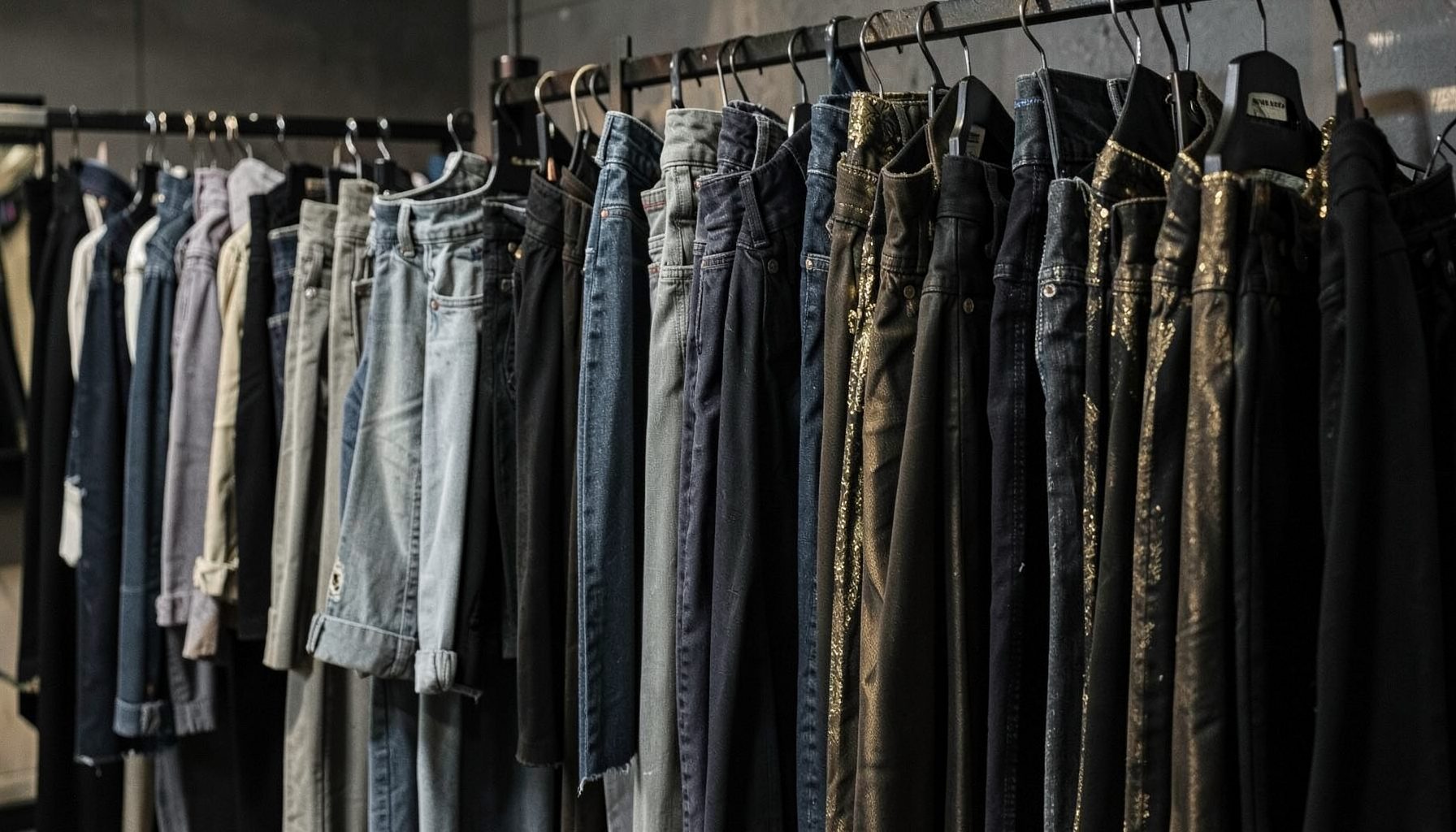
Start with two or three neutral foundation colours, such as black, navy, cream, grey, beige, or denim blue. These shades make it easier to coordinate trousers, skirts, jackets, shoes, and bags. You can then add two accent colours that bring personality without making outfits difficult to combine.
The palette does not need to be rigid. Prints and brighter shades can still have a place, particularly in dresses, scarves, jewellery, or seasonal tops. The key is to ensure that each statement item works with at least three other pieces in your collection.
Think about your lifestyle when choosing fabrics and silhouettes. Breathable cotton may suit daily wear, while stretch denim and machine-washable knitwear can make a busy wardrobe more manageable. If you commute, prioritise layers and comfortable shoes. If you attend events regularly, reserve part of the budget for adaptable occasionwear.
Set a budget before shopping
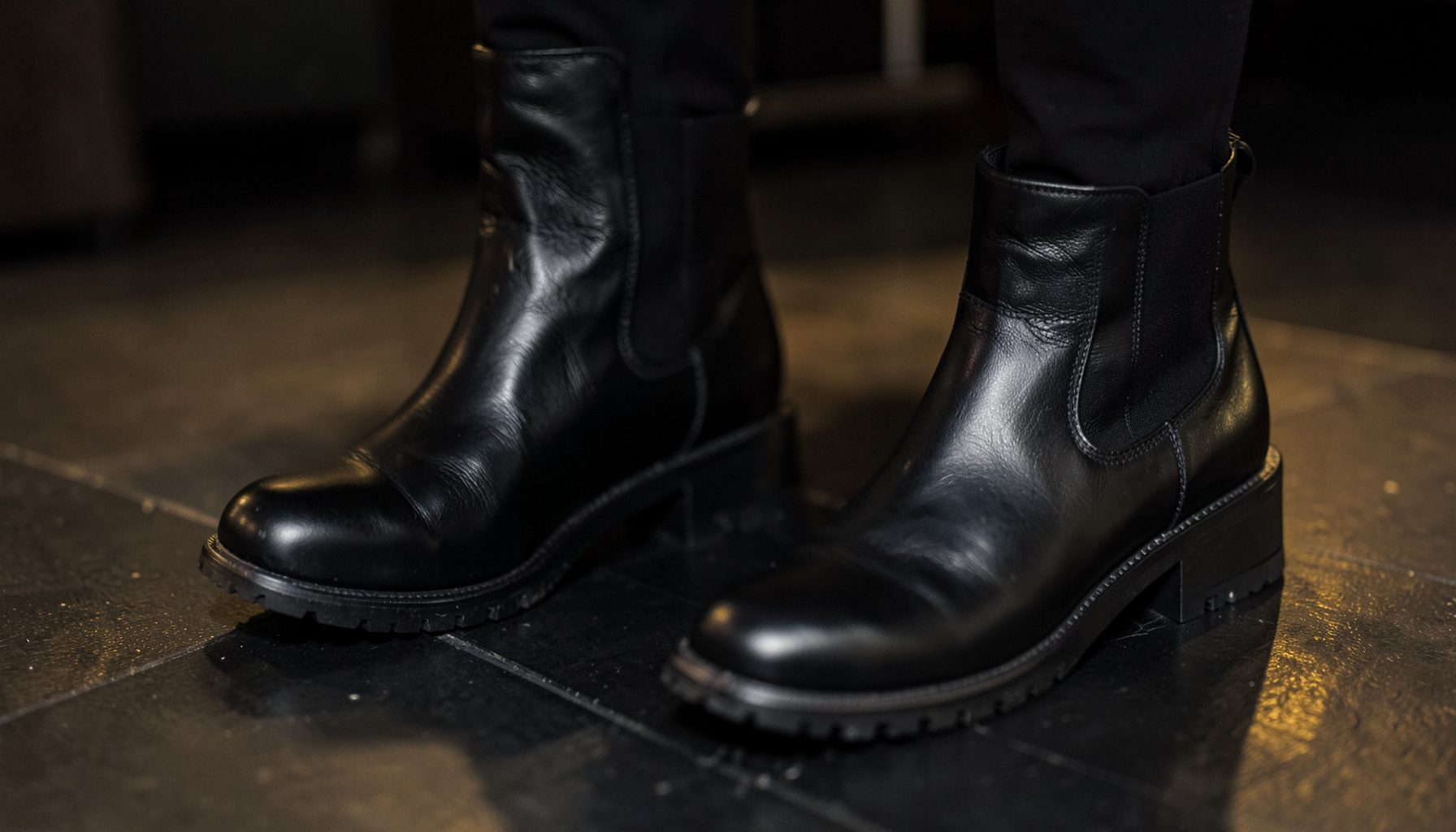
Divide your spending into categories instead of buying whatever catches your eye first. Allocate money for foundation garments, seasonal layers, footwear, and finishing details. Shoes and outerwear often cost more, but a reliable pair of boots or a well-cut coat can transform a large number of outfits.
Affordable shopping becomes easier when you calculate cost per wear. A jacket worn twice a week may offer better value than a low-priced top worn once. Check stitching, fabric weight, fastenings, and care instructions before purchasing. A small saving is not worthwhile if the garment loses its shape after a few washes.
Sales can help, but only when they match your plan. Browse the women’s fashion collection with your wardrobe gaps in mind, and compare each item with what you already own. Free shipping thresholds and return policies can also influence the final value, especially when ordering several coordinated pieces.
Build around versatile essentials
A strong starting point is a small group of pieces that can move between casual and polished outfits. The exact number depends on your lifestyle, but quality coordination matters more than reaching a particular total. The options below provide a useful framework for a budget-conscious edit.
| Wardrobe area | Useful starting pieces | Ways to extend wear |
|---|---|---|
| Tops | White or neutral T-shirt, blouse, fine knit | Tuck into trousers, layer under jackets, wear with denim |
| Bottoms | Straight-leg jeans, tailored trousers, versatile skirt | Change shoes and accessories for different settings |
| One-piece styles | Simple dress or jumpsuit | Add a cardigan, blazer, belt, or boots |
| Layers | Blazer, cardigan, denim jacket, lightweight coat | Use across workwear, weekends, and travel |
| Footwear | Everyday trainers, ankle boots, simple flats | Choose neutral colours that suit most outfits |
| Accessories | Crossbody bag, belt, scarf, understated jewellery | Refresh familiar clothing without buying new outfits |
Prioritise pieces that serve multiple purposes. A plain dress can work with trainers for daytime, boots for cooler weather, or jewellery and a blazer for an evening event. A jumpsuit can be styled with a T-shirt underneath, while a neutral cardigan can soften denim or sharpen tailored trousers.
Avoid buying several versions of the same item before testing your lifestyle needs. Begin with one dependable option, wear it for a few weeks, and then decide whether another colour or silhouette would genuinely add value.
Complete the outfit thoughtfully
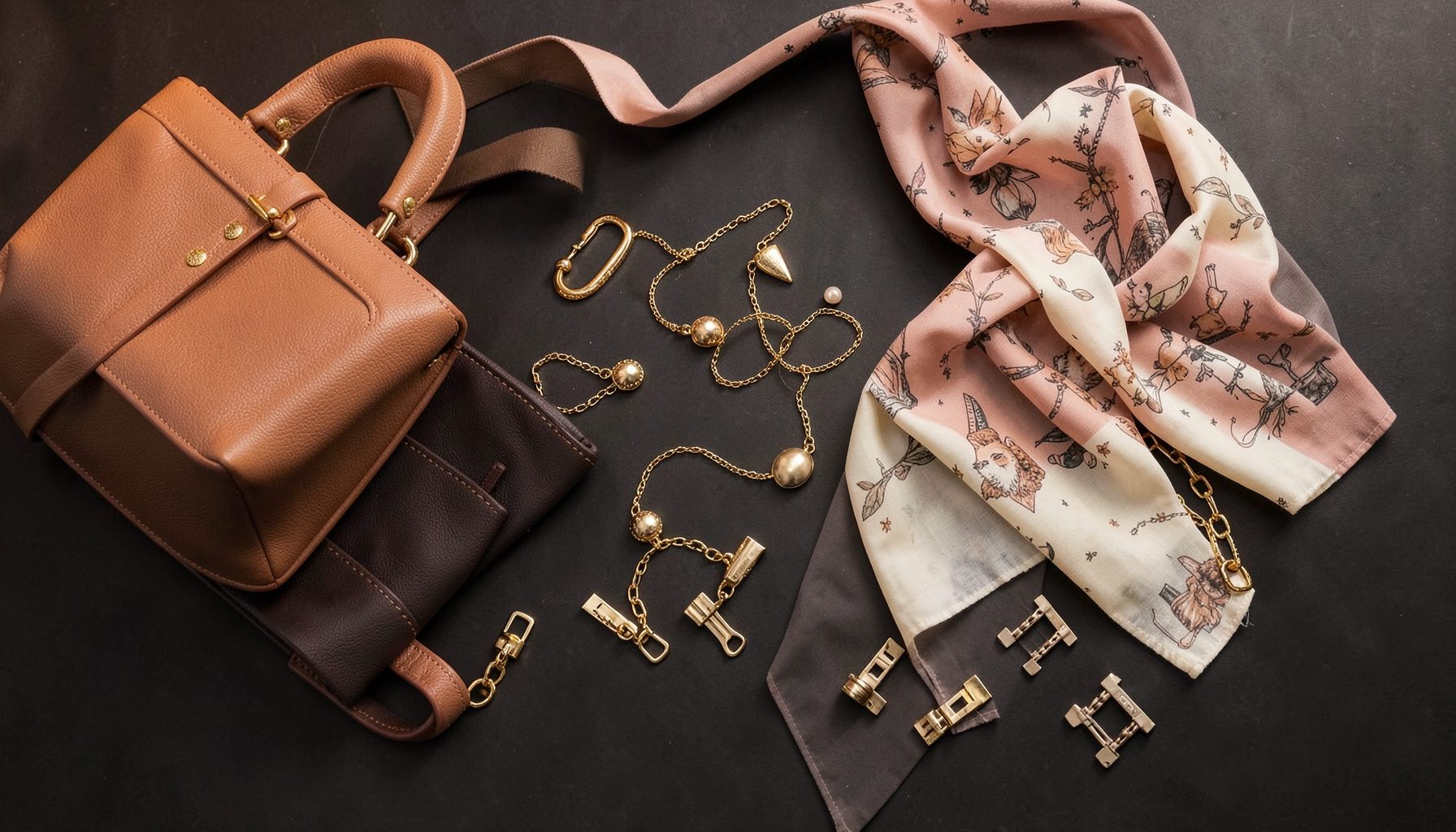
Accessories and footwear can make a compact wardrobe feel much larger. A simple outfit changes character when paired with a structured bag, delicate jewellery, a printed scarf, or a different shoe. These smaller purchases are useful for refreshing familiar basics without committing to an entirely new look.
Use the following checklist when filling the final gaps:
- Choose one everyday bag that fits your essentials and works with most outfits.
- Add comfortable trainers or flats for regular wear and versatile boots for cooler days.
- Keep jewellery in a consistent metal tone if you prefer a coordinated appearance.
- Select a belt that defines loose dresses, oversized shirts, or high-waisted trousers.
- Include one occasion-ready accessory that elevates a simple outfit quickly.
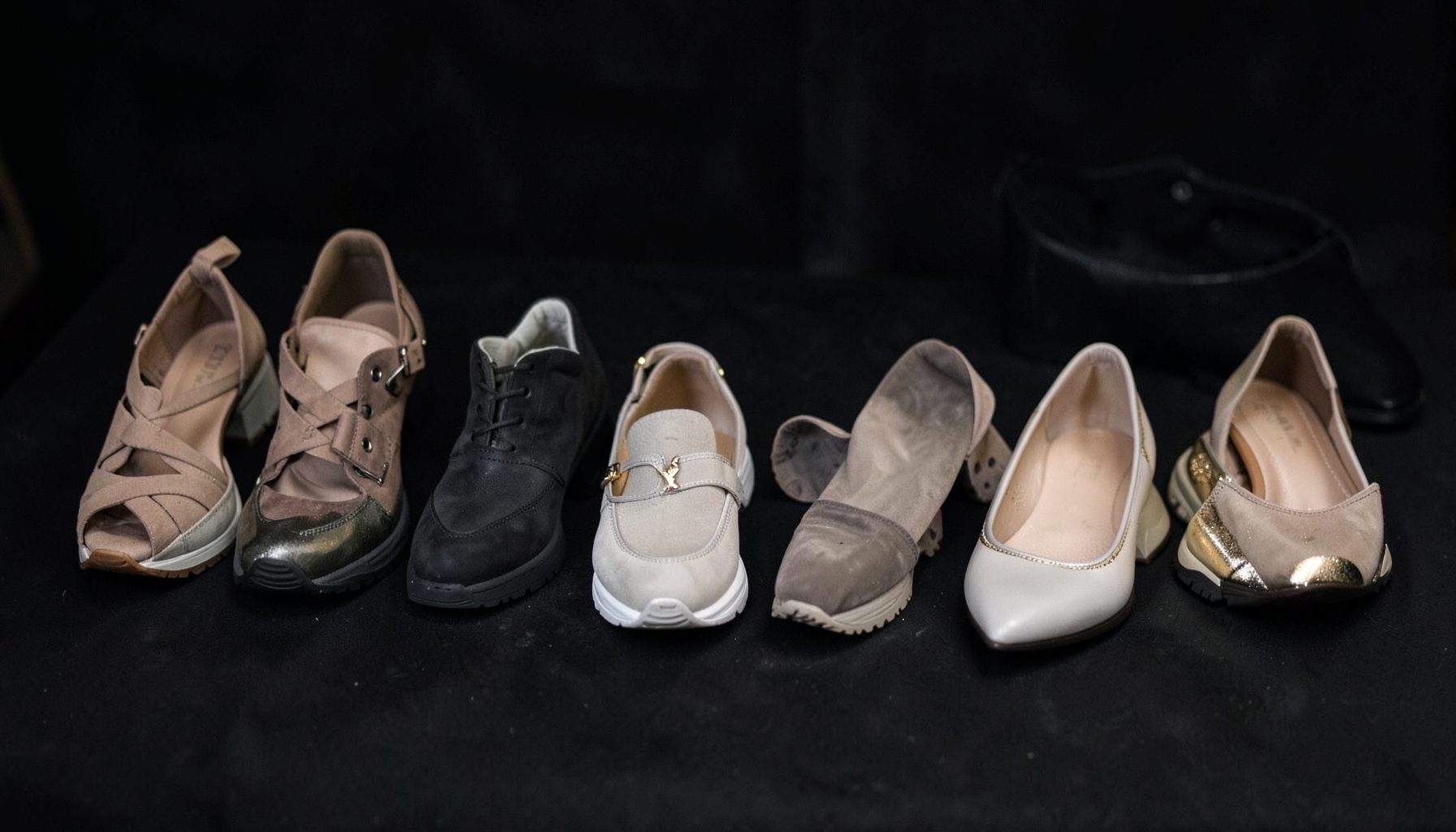
Shoes deserve particular attention because they affect comfort, proportions, and the formality of an outfit. Neutral footwear is usually the easiest to combine, but one distinctive pair can add personality to otherwise simple clothing. Look for supportive construction and materials suitable for your climate.
Maintain the collection through the seasons
A capsule wardrobe needs occasional editing rather than constant replacement. At the end of each season, note which garments were worn repeatedly, which needed repairs, and which never felt right. Store only genuinely seasonal items, and keep frequently used layers accessible.
Care can extend the life of affordable clothing. Follow washing instructions, use a steamer or fabric shaver when appropriate, and repair loose hems or missing buttons early. Rotating shoes and allowing knitwear to rest between wears can also reduce unnecessary wear.
When you do shop again, use a one-in, one-out rule for crowded categories. Replace worn essentials first, then consider a seasonal colour or trend-led item. This keeps the wardrobe flexible without allowing it to become expensive or difficult to manage.
A well-planned capsule wardrobe gives you more outfit possibilities with fewer purchases. Start with the clothes you genuinely wear, build around compatible colours, and spend carefully on pieces that solve real dressing needs. Browse affordable clothing, shoes, bags, and accessories at Sudeshna Das, then create a streamlined collection that works for your everyday life and special occasions.