How to Add Color to a Neutral Wardrobe
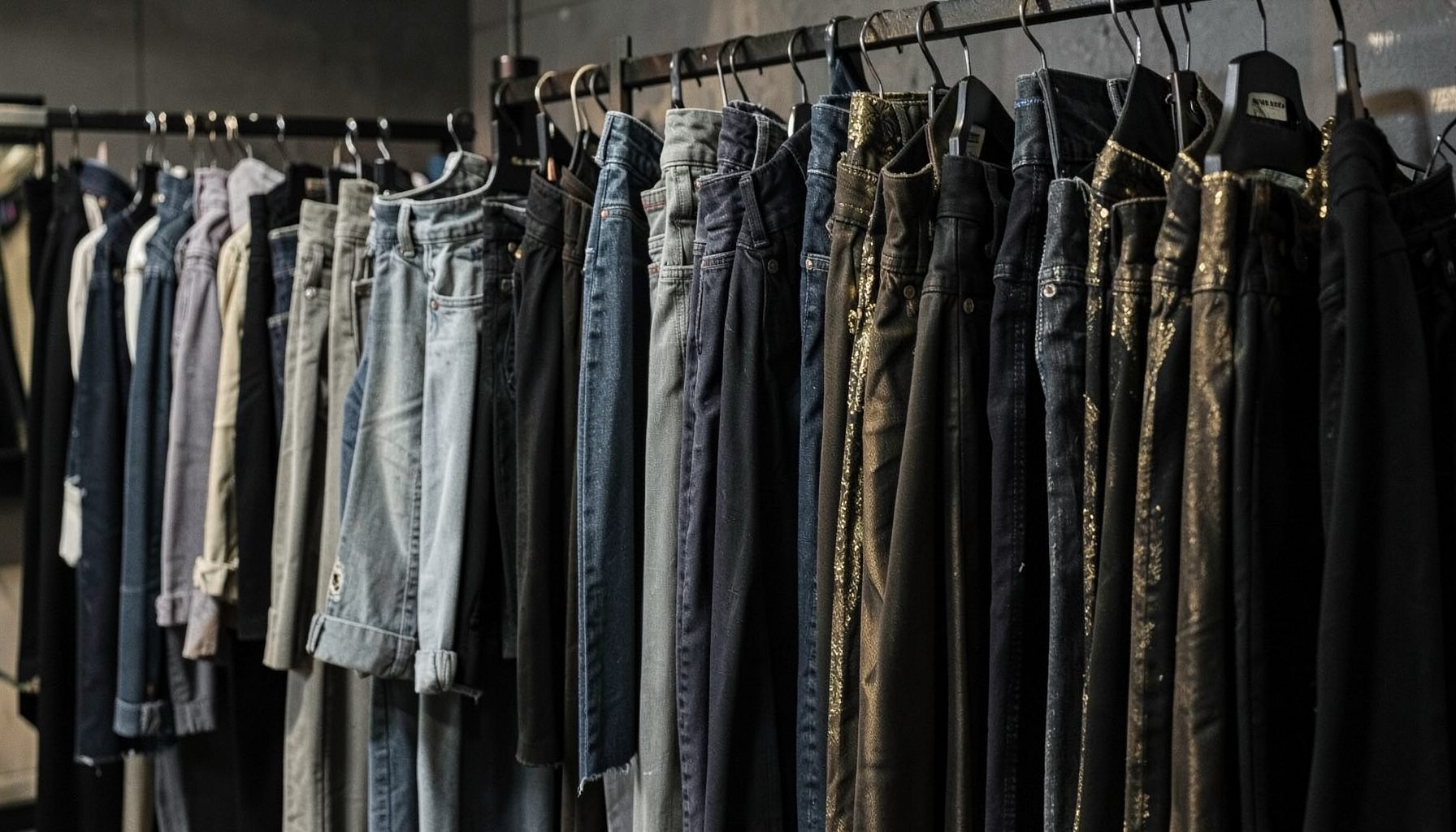
A neutral wardrobe built around black, white, beige, grey, navy, and cream offers endless outfit flexibility. These shades are easy to combine, simple to dress up, and useful across every season. Still, an all-neutral closet can begin to feel predictable when every outfit relies on the same quiet palette.
Color does not require a complete wardrobe overhaul. A bright handbag, jewel-toned cardigan, printed shoe, or softly colored dress can change the mood of familiar basics. The most successful approach is to add shades gradually, choosing pieces that work with the clothes you already own.
At Sudeshna Das, affordable clothing, shoes, and accessories make it easier to experiment with color without committing to expensive statement pieces. Start with one carefully selected accent, then build combinations that feel natural for workdays, weekends, evenings, and special occasions.
Start With A Wearable Color Palette
The easiest way to introduce color is to choose two or three shades that suit your existing neutrals. Warm wardrobes often pair well with rust, olive, mustard, coral, and chocolate brown. Cooler collections can welcome cobalt, emerald, lavender, berry, and icy blue.
Think about colors you already enjoy wearing rather than following every seasonal trend. A small palette creates consistency, allowing a green blouse to work with black trousers, blue denim, or cream wide-leg pants. This makes colorful purchases feel like useful wardrobe additions rather than isolated items.
Use Accessories For Low-Risk Impact
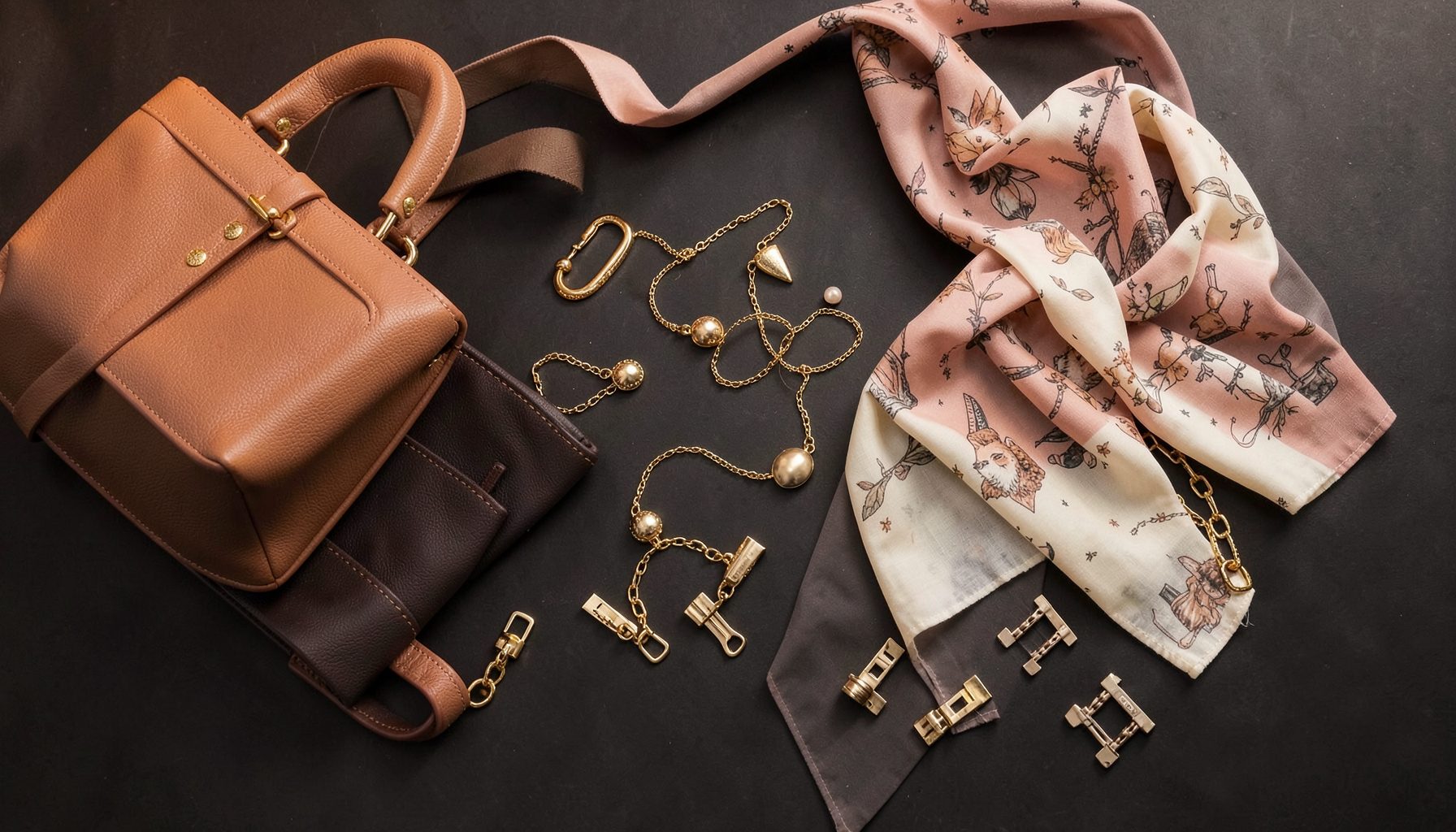
Accessories are a practical starting point because they add personality without changing the foundation of an outfit. A red crossbody bag, satin scarf, colorful belt, or stack of bright bracelets can bring visual interest to a monochrome look.
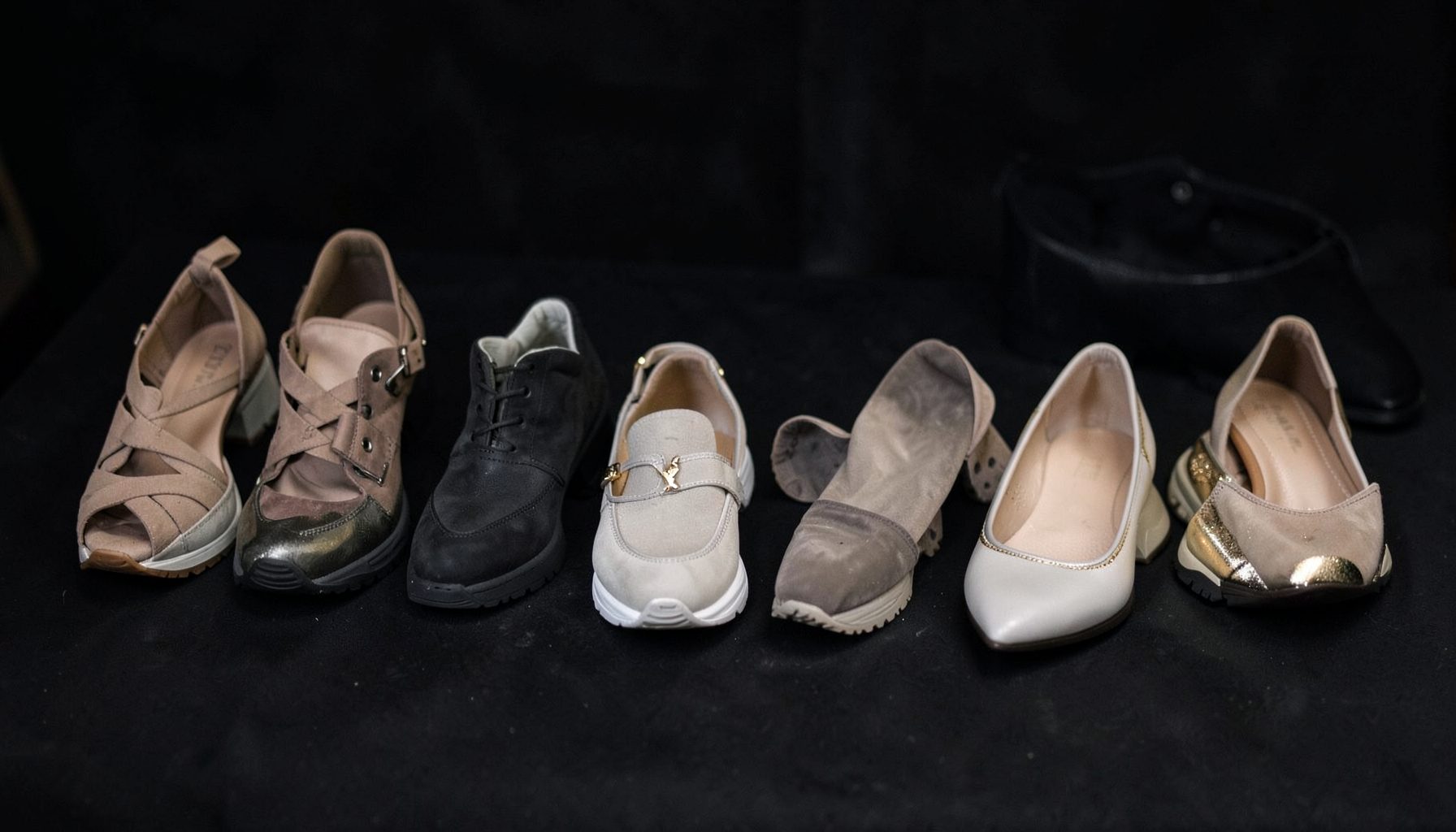
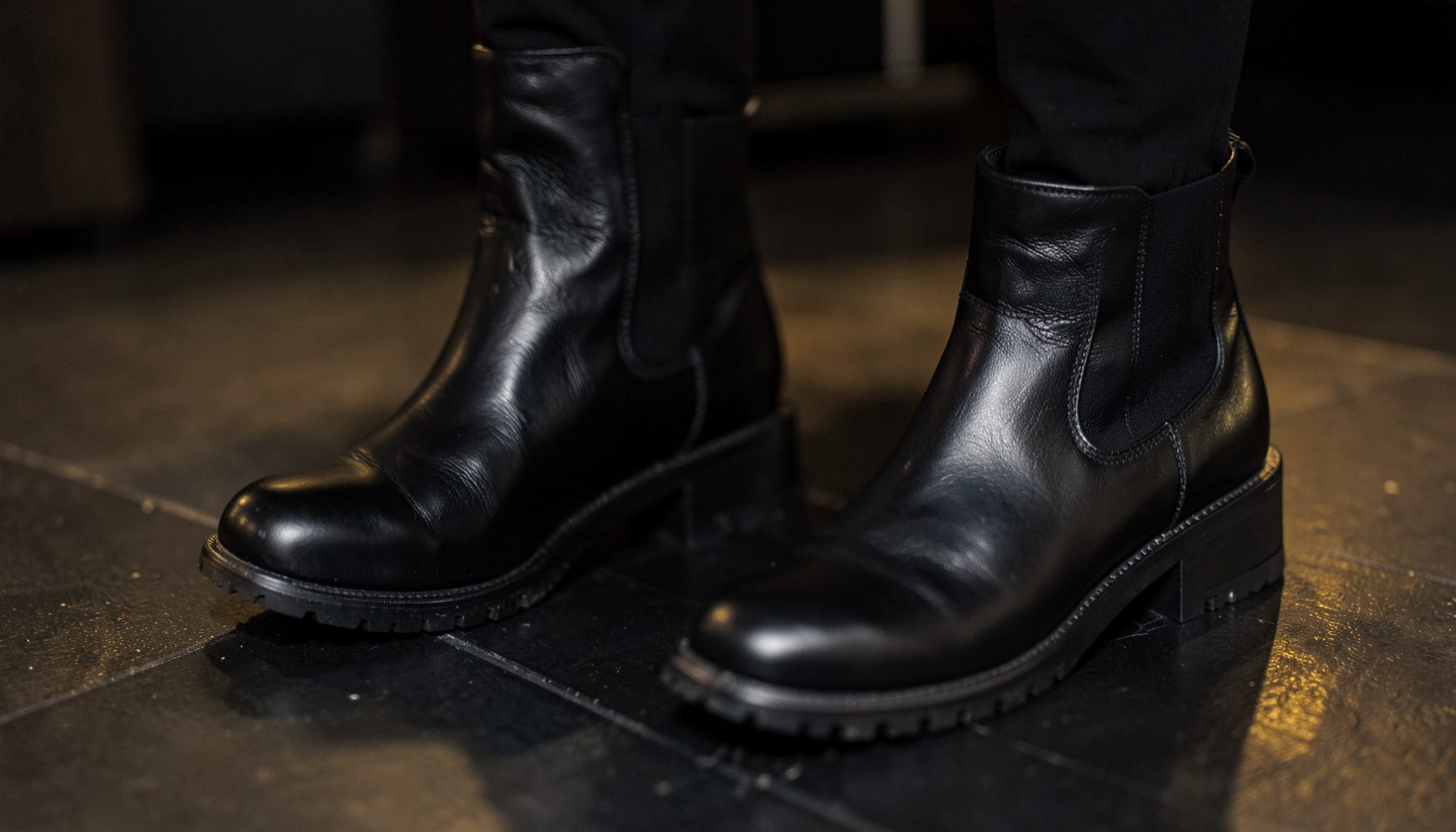
Shoes can create the same effect. Try burgundy ankle boots with a grey knit dress, blue trainers with denim and a white shirt, or metallic sandals with a black jumpsuit. Since footwear and bags are functional purchases, they can deliver a noticeable color update while remaining part of your everyday rotation.
Balance Bright Pieces With Familiar Basics
A bold item feels easier to wear when the rest of the outfit is simple. Pair a vivid pink blouse with tailored black trousers, or wear a saturated blue skirt with a cream knit top. Neutral layers act as visual space, helping the statement shade look intentional rather than overwhelming.
The table below shows how different accent colors can work with dependable wardrobe foundations.
| Accent Color | Best Neutral Partners | Easy Outfit Idea | Overall Effect |
|---|---|---|---|
| Emerald green | Black, cream, camel | Green blouse with tailored trousers | Polished and rich |
| Cobalt blue | White, grey, denim | Blue bag with a white shirt and jeans | Fresh and confident |
| Rust orange | Beige, chocolate, ivory | Rust cardigan over a neutral dress | Warm and relaxed |
| Berry red | Navy, black, soft grey | Berry boots with a grey coat | Refined and noticeable |
| Lavender | White, stone, pale denim | Lavender knit with straight-leg jeans | Soft and modern |
| Mustard yellow | Navy, brown, charcoal | Mustard scarf with a navy jacket | Bright and autumnal |
Color blocking can be simple rather than dramatic. Two solid shades, such as cobalt and cream, often look more refined than several competing prints. If a garment has a strong color, keep the silhouette clean and let the shade become the main feature.
Let Prints Introduce Several Shades
Printed clothing offers a convenient way to expand a neutral wardrobe because it usually contains multiple colors that can guide the rest of the outfit. A floral dress might include cream, green, pink, and navy, giving you several accessory directions.
When wearing a patterned item, choose one secondary color from the print for your shoes, bag, or jewelry. This creates coordination without requiring an exact match. For example, a muted floral jumpsuit can be styled with a berry handbag and simple cream sandals.
Animal prints can also function as neutral patterns. Leopard, snakeskin, and tortoiseshell accessories add texture while blending with black, tan, denim, and brown. They are useful when you want more character without introducing a highly saturated shade.
Build Color Through Layering
Layering makes seasonal styling more flexible and helps control how much color appears. A colored camisole beneath a blazer offers a subtle glimpse, while a bright cardigan creates a stronger focal point. Colored tights, socks, or a long-sleeved top can refresh dresses and skirts during cooler weather.
Denim is especially useful because it connects with many shades. Pair a lilac sweatshirt with blue jeans, an olive overshirt with a white T-shirt, or a coral jacket with dark denim. Loungewear and activewear can benefit from the same approach: a colorful hoodie or pair of leggings adds energy while remaining comfortable.
For occasionwear, consider a colorful dress or jumpsuit in a shade that feels flattering and versatile. Keep jewelry and shoes understated if the garment is vivid, or use metallic accessories to give a jewel-toned look a more formal finish.
Choose Color According To Your Lifestyle
Color should support the way you dress, not create extra work. If most of your week involves commuting or office dressing, begin with colored knitwear, structured bags, or elegant blouses. For casual wardrobes, trainers, denim jackets, and relaxed sweatshirts can deliver the same effect with comfort.
Before buying, consider whether the item works with at least three pieces you already own. Check the fabric, fit, care requirements, and season. A beautiful color becomes a valuable purchase when it can move between different outfits and occasions.
Sales can be a useful opportunity to try a new shade at a lower price, especially when exploring a style outside your usual palette. Sudeshna Das offers clothing, boots, bags, jewelry, and other affordable essentials, with free shipping on orders over £60 and a 20–30 day return guarantee. Secure SSL transactions also support a more confident online shopping experience.
A Simple Color-Building Checklist
Use these steps to make each addition practical and easy to style:
- Select two accent colors that complement the neutrals already in your wardrobe.
- Begin with an accessory or layering piece before investing in a bold statement garment.
- Pair bright clothing with simple shapes and familiar basics.
- Pull one shade from a print to coordinate your shoes, bag, or jewelry.
- Check that every new color can create at least three complete outfits.
Color becomes easier to wear when it is treated as part of your existing wardrobe rather than a separate style project. A single scarf can lead to a new handbag, a cardigan can inspire brighter jewelry, and a printed dress can reveal shades you had never considered.
Browse Sudeshna Das to find affordable colorful dresses, jumpsuits, denim, shoes, bags, and accessories that fit your personal palette. Choose one shade that catches your attention, style it with the neutrals you already trust, and let your everyday outfits develop a more expressive finish.